Effective Innovations in Steel Fabrication Shop Techniques for Enhanced Production
Understanding the Role of a Steel Fabrication Shop
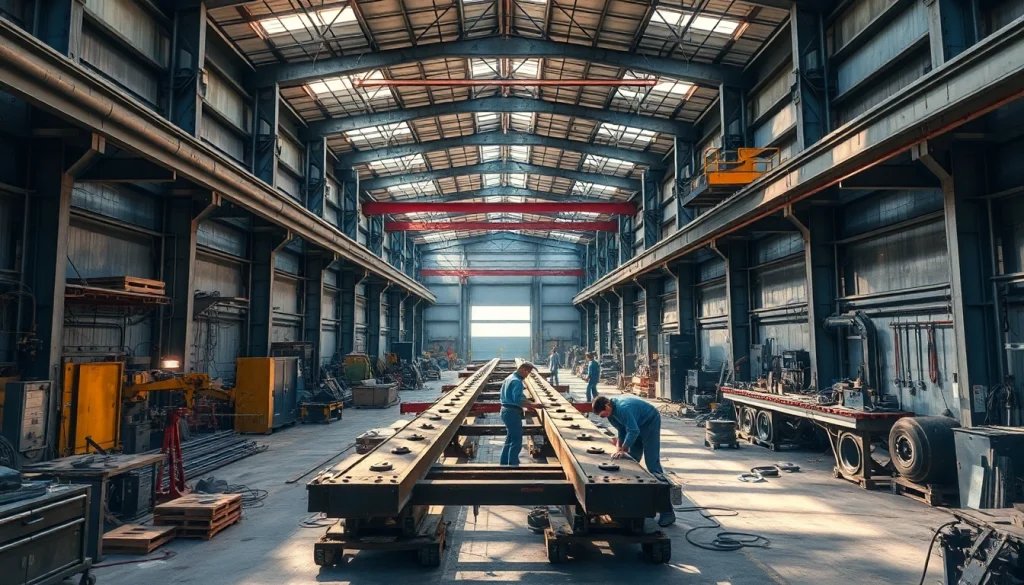
Steel fabrication is a foundational aspect of many industries, serving as the backbone for construction, manufacturing, and various engineering processes. A steel fabrication shop plays a pivotal role in transforming raw steel materials into custom products used across an array of applications. Understanding what a steel fabrication shop entails is crucial for the industry, businesses, and individuals looking to engage with these services.
Defining Steel Fabrication: What It Entails
Steel fabrication involves several processes to shape and assemble steel components into finished products. This typically includes cutting, bending, machining, welding, and assembling steel parts into structures or items that meet specific customer requirements. The fabrication process is not merely about working with steel; it encompasses design, engineering, material selection, and quality assurance to ensure that the final product performs under its intended use conditions.
Primary Services Offered by Steel Fabrication Shops
Steel fabrication shops offer a diverse range of services tailored to meet various client needs:
- Custom Fabrication: Creating made-to-order steel parts and structures based on precise specifications.
- Welding Services: Joining metal parts using different welding techniques, including MIG, TIG, and arc welding.
- Metal Cutting: Employing tools like plasma cutting, laser cutting, and water jet cutting to achieve desired shapes and sizes.
- Bending and Forming: Utilizing hydraulic presses and other machines to bend steel sheets or sections to specified angles.
- Machining: Offering precision machining services, including drilling, milling, and lathe work to ensure tight tolerances.
- Coating and Finishing: Applying protective finishes such as paint or galvanization to enhance durability and aesthetics.
How Steel Fabrication Shops Fit into Various Industries
Steel fabrication shops are integral to numerous sectors, each with unique demands:
- Construction: Providing structural components for buildings, bridges, and infrastructure projects.
- Manufacturing: Supplying parts for machinery, equipment, and fabrication of consumer goods.
- Aerospace: Producing lightweight, strong components for aircraft and spacecraft.
- Automotive: Fabricating parts for vehicles, including frames, brackets, and structural reinforcements.
- Marine: Creating parts and structures that withstand the harsh marine environment.
Essential Machinery and Tools for Steel Fabrication
The efficiency and quality of work carried out in a steel fabrication shop largely depend on the machinery and tools available. Here’s an overview of the essential equipment that facilitates the operations:
Overview of Common Tools Used in Steel Fabrication Shops
Every steel fabrication shop must have a set of tools and machinery designed for various fabrication tasks:
- Cutting Tools: Band saws, plasma cutters, laser cutting machines, and water jet cutters enable precise cutting of steel.
- Bending Machines: Press brakes and roll benders are crucial to shaping steel into the necessary contours.
- Welding Machines: Include MIG, TIG, and stick welders to join metal components.
- Machining Tools: Lathes, mills, and CNC machines allow for precise shaping and finishing of metal parts.
- Material Handling Equipment: Cranes, hoists, and forklifts aid in moving heavy steel items safely and efficiently.
Importance of Safety Equipment and Protocols
Safety is paramount in any steel fabrication shop. Workers face numerous hazards, including heavy machinery, sharp tools, and toxic fumes. Ensuring safety involves:
- Personal Protective Equipment (PPE): Helmets, gloves, eye protection, and steel-toed boots are essential.
- Training Programs: Regular safety training sessions educate employees on safe practices and emergency responses.
- Health and Safety Protocols: Implementing routine safety checks and following OSHA regulations to mitigate hazards.
Advancements in Machinery Technology for Steel Fabrication
Technological advancements continue to revolutionize the steel fabrication industry. Some notable innovations include:
- Computer Numerical Control (CNC): CNC machines provide high precision and repeatability, streamlining the fabrication process.
- 3D Printing for Metal: Emerging technologies that allow for the rapid prototyping and production of complex steel components.
- Automated Welding Systems: Enhancements in robotic welding systems to improve speed, efficiency, and quality.
Best Practices for Efficient Operations in Steel Fabrication Shops
Operational efficiency in a steel fabrication shop is essential for maximizing productivity and profitability. Here are some best practices:
Implementing Lean Manufacturing Techniques
Lean manufacturing focuses on minimizing waste while maximizing productivity. Steel fabrication shops can adopt lean techniques by:
- Identifying and eliminating non-value-added activities in the production process.
- Streamlining workflows through standardized processes and layout optimization.
- Utilizing inventory management systems to reduce excess stock and maintain just-in-time production.
The Role of Quality Control in Steel Fabrication
Quality control is critical in steel fabrication to ensure that all products meet the necessary standards and specifications. Implementing effective quality control measures includes:
- Conducting regular inspections and testing during various stages of fabrication.
- Utilizing statistical process control (SPC) to monitor and analyze processes for continuous improvement.
- Providing staff training on quality standards and encouragement of a quality-oriented culture.
Effective Project Management in Fabrication Processes
Project management is vital for overseeing the intricacies of fabrication processes. Effective project management can involve:
- Utilizing project management software to track schedules, budgets, and resource allocations.
- Regularly communicating with clients and stakeholders to ensure alignment and manage expectations.
- Assessing project risks and developing contingency plans to address potential challenges.
Challenges Faced by Steel Fabrication Shops
Steel fabrication shops encounter various challenges that can impact their operations and success. Identifying these challenges allows for better preparation and solutions:
Labor Shortages and Training Needs
The skilled labor shortage is a pressing issue affecting many industries, including steel fabrication. The challenges associated with it include:
- Aging workforce: Many skilled workers are nearing retirement without enough new talent to replace them.
- Training gaps: Employers must invest in training programs to enhance the skills of new workers effectively.
- Attracting talent: Offering competitive wages and benefits is crucial to attracting qualified individuals to the field.
Supply Chain Disruptions Impacting Materials
The steel industry often faces supply chain interruptions that can affect operations. Addressing supply chain challenges involves:
- Diversifying suppliers to mitigate risks associated with single-source reliance.
- Implementing inventory management strategies to manage shortages during peak demand.
- Building strong supplier relationships to improve communication and reliability.
Compliance with Environmental Regulations
Steel fabrication shops must adhere to strict environmental regulations aimed at reducing their ecological footprint. Effective compliance includes:
- Implementing sustainable practices, such as recycling scrap metal and reducing waste.
- Staying informed about local, state, and federal environmental regulations and fostering a culture of environmental awareness among employees.
- Utilizing eco-friendly materials and practices that align with sustainable development goals.
Future Trends in Steel Fabrication Shops
The steel fabrication industry is evolving rapidly, driven by technological advancements and changing market demands. Some of the key trends shaping the future include:
Integration of Automation and Robotics
The integration of automation in steel fabrication shops enhances productivity and efficiency. Key points include:
- Using automated systems for machining, welding, and assembly to reduce labor costs and increase precision.
- Implementing artificial intelligence (AI) to optimize production scheduling and equipment maintenance.
- Utilizing robotics for dangerous tasks, thereby improving workplace safety.
Sustainable Practices in Steel Fabrication
Sustainability is becoming a significant focus for steel fabrication shops. The efforts include:
- Adopting eco-friendly materials and manufacturing processes to minimize environmental impact.
- Investing in energy-efficient machinery to reduce carbon footprints.
- Implementing comprehensive waste management systems to recycle and repurpose scrap materials.
The Impact of Industry 4.0 on Steel Fabrication Techniques
Industry 4.0, characterized by the Internet of Things (IoT), big data, and smart manufacturing, is reshaping steel fabrication. Key aspects involve:
- Leveraging IoT devices to collect and analyze data for better decision-making and process optimization.
- Implementing predictive maintenance systems to reduce downtime and extend the lifespan of machinery.
- Enhancing supply chain logistics through digital technologies for improved efficiency and responsiveness.
Conclusion
The landscape of steel fabrication shops is dynamic, influenced by technological advancements, industry trends, and evolving customer expectations. Understanding the role, challenges, and future directions of these shops is essential for stakeholders, including manufacturers, managers, and construction professionals. By adopting best practices and embracing innovations, steel fabrication shops can position themselves for success in a competitive market.