
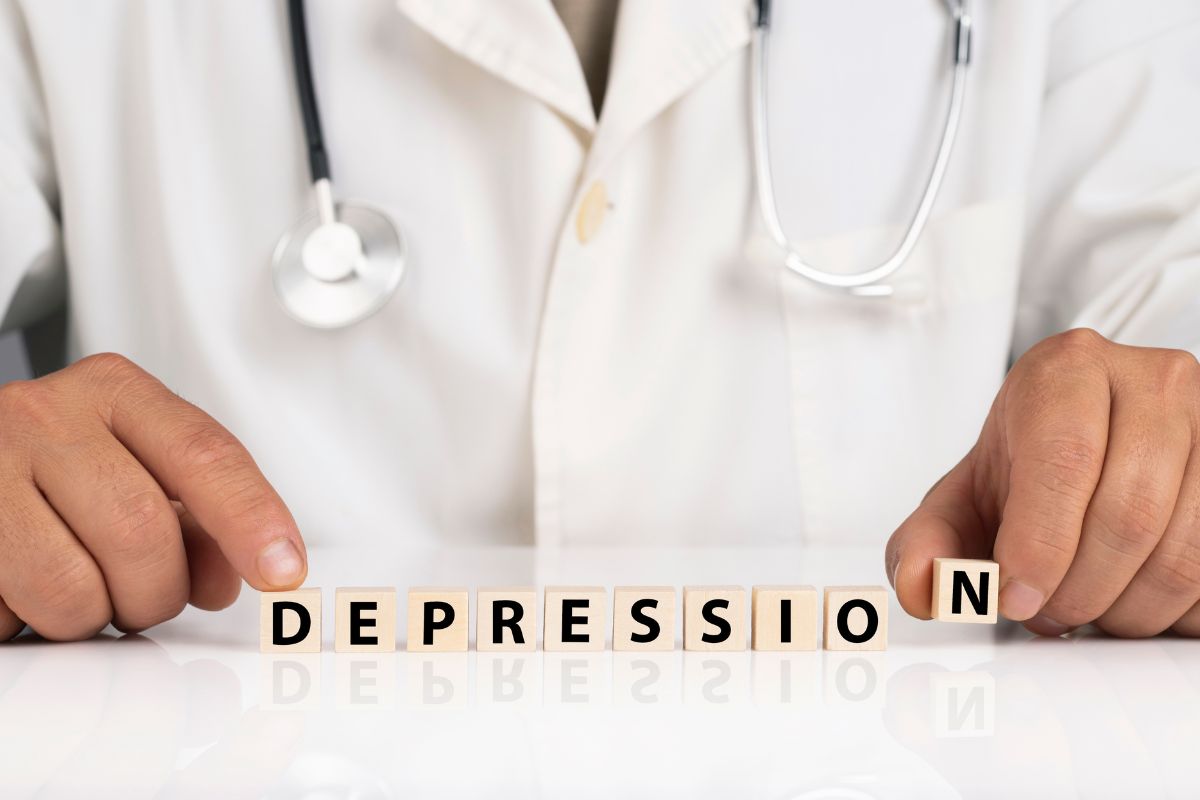
Depression symptoms can quietly change how a person feels, sleeps, and moves through daily life. Many people think depression is only about feeling sad, but it is much more complex than that. Depression symptoms affect mood, sleep, and energy in ways that can make even simple tasks feel overwhelming. Understanding these symptoms clearly is an important first step toward healing, self-compassion, and seeking the right support.
- Understanding Depression Symptoms in Everyday Life
- Depression Symptoms That Affect Mood
- Depression Symptoms That Affect Sleep
- Depression Symptoms That Affect Energy Levels
- The Connection Between Mood Sleep and Energy in Depression Symptoms
- Daily Life Impact of Depression Symptoms
- Recognizing When Depression Symptoms Need Attention
- Evidence-Based Ways to Support Depression Symptoms
- Building Understanding and Compassion Around Depression Symptoms
- Conclusion
- FAQs
Understanding Depression Symptoms in Everyday Life
Depression symptoms are patterns of emotional, physical, and mental changes that last for weeks or longer. Everyone feels sad or tired at times, but depression symptoms are deeper, more persistent, and often interfere with daily functioning.
A helpful way to think about depression symptoms is to imagine your mind and body as a phone with a very low battery. Even when the phone is plugged in, it charges slowly, drains quickly, and struggles to run normal apps. In the same way, a person with depression may rest, sleep, or try to stay positive, yet still feel exhausted and emotionally drained.
Depression symptoms can show up differently in each person, but changes in mood, sleep, and energy are among the most common and impactful.
Depression Symptoms That Affect Mood
Emotional Changes Linked to Depression Symptoms
Mood-related depression symptoms are often the first signs people notice. These emotional changes can feel confusing and frustrating, especially when there is no clear reason for them.
Common mood-related depression symptoms include:
- Persistent sadness or emptiness that lasts most of the day
- Feeling hopeless about the future
- Loss of interest in activities that once felt enjoyable
- Increased irritability, frustration, or anger
- Feeling emotionally numb or disconnected
These depression symptoms do not come and go quickly. They tend to stay for weeks and can affect how a person thinks, reacts, and connects with others.
How Depression Symptoms Change Emotional Reactions
Depression symptoms can make emotions feel heavier and harder to manage. Small problems may feel overwhelming, while positive events may feel muted or meaningless.
For example, someone with depression symptoms might receive good news at work but feel little to no excitement. Another person may feel deeply upset over a minor mistake, replaying it in their mind for hours. These reactions are not a sign of weakness; they are common effects of depression symptoms on emotional regulation.
Real-Life Example of Mood-Related Depression Symptoms
Imagine a student named Sara who used to enjoy spending time with friends and participating in class. Over several weeks, she begins to feel sad most days. She stops laughing at jokes, avoids social activities, and feels guilty for no clear reason. Even when friends try to cheer her up, her mood does not improve. These ongoing changes are classic mood-related depression symptoms.
Depression Symptoms That Affect Sleep
Sleep Changes as Key Depression Symptoms
Sleep problems are some of the most common and distressing depression symptoms. Depression can disrupt sleep in different ways, and these changes often worsen mood and energy levels.
Common sleep-related depression symptoms include:
- Difficulty falling asleep despite feeling tired
- Waking up frequently during the night
- Waking up very early and being unable to fall back asleep
- Sleeping much more than usual yet still feeling exhausted
- Feeling unrested even after a full night of sleep
These depression symptoms can create a cycle where poor sleep worsens mood, and low mood makes sleep even harder.
Why Depression Symptoms Disrupt Sleep Patterns
Depression symptoms affect the brain chemicals that regulate sleep, mood, and stress. When these systems are out of balance, the body struggles to follow a healthy sleep-wake rhythm.
An analogy that helps many people understand this is to think of sleep as a train schedule. In a healthy system, the train arrives and leaves on time. Depression symptoms disrupt the signals, causing delays, early departures, or missed stops altogether. The result is irregular, unrefreshing sleep.
Real-Life Example of Sleep-Related Depression Symptoms
Consider a working parent named Ali who feels exhausted every day. He goes to bed early but lies awake worrying, wakes up several times at night, and feels drained in the morning. On weekends, he sleeps late but still feels tired. Over time, this sleep disruption begins to affect his mood, focus, and patience. These ongoing sleep issues are common depression symptoms.
Depression Symptoms That Affect Energy Levels
Low Energy as a Core Depression Symptom
Low energy is one of the most physically noticeable depression symptoms. It is not the same as normal tiredness after a busy day. Depression-related fatigue can feel heavy, constant, and resistant to rest.
Common energy-related depression symptoms include:
- Feeling physically drained even after sleeping
- Difficulty starting or finishing tasks
- Moving or speaking more slowly than usual
- Feeling like daily responsibilities require extreme effort
- Avoiding activities due to exhaustion
These depression symptoms can make everyday tasks like showering, cooking, or replying to messages feel overwhelming.
How Depression Symptoms Drain Motivation and Stamina
Depression symptoms affect motivation by reducing the brain’s reward response. Activities that once gave energy now feel pointless or exhausting. This can lead to less movement and engagement, which further reduces energy levels.
It can help to imagine carrying a heavy backpack all day. Even simple movements become tiring when extra weight is added. Depression symptoms add emotional and mental weight that drains physical energy.
Real-Life Example of Energy-Related Depression Symptoms
A college student named Ahmed notices he feels exhausted all the time. He skips classes not because he does not care, but because getting out of bed feels impossible. Even small tasks take a lot of effort. Friends may think he is lazy, but in reality, he is experiencing low energy as a result of depression symptoms.

The Connection Between Mood Sleep and Energy in Depression Symptoms
How These Depression Symptoms Influence Each Other
Mood, sleep, and energy are deeply connected. Depression symptoms in one area often affect the others, creating a cycle that can be hard to break.
For example:
- Poor sleep can worsen mood and reduce energy
- Low energy can limit daily activity, leading to lower mood
- Persistent sadness can increase sleep problems and fatigue
Understanding this connection helps explain why depression symptoms can feel so overwhelming. Treating one area often helps improve the others over time.
Why Depression Symptoms Are Often Misunderstood
Many people misunderstand depression symptoms because they are not always visible. A person may smile, go to work, or attend school while silently struggling with low mood, poor sleep, and constant fatigue.
This misunderstanding can lead to harmful beliefs, such as thinking someone just needs to try harder or be more positive. In reality, depression symptoms are real health challenges that require understanding and support.
Daily Life Impact of Depression Symptoms
Depression Symptoms at School or Work
Depression symptoms can affect concentration, memory, and decision-making. Tasks may take longer, mistakes may increase, and confidence may drop.
Students may struggle to focus on lessons or complete assignments. Workers may find it hard to meet deadlines or stay motivated. These challenges can lead to guilt and self-criticism, which further worsen depression symptoms.
Depression Symptoms in Relationships
Mood changes, fatigue, and sleep problems can affect how a person connects with others. Someone with depression symptoms may withdraw, cancel plans, or seem distant.
Loved ones may feel confused or hurt, not realizing that depression symptoms are driving these behaviors. Open communication and education can help reduce misunderstandings and strengthen relationships.
Recognizing When Depression Symptoms Need Attention
Duration and Intensity of Depression Symptoms
Occasional sadness or tiredness is normal. Depression symptoms are different because they:
- Last most days for at least two weeks
- Interfere with daily life, relationships, or responsibilities
- Do not improve with rest or positive events
Recognizing these patterns is important for early support and recovery.
Emotional and Physical Warning Signs
In addition to mood, sleep, and energy changes, depression symptoms may include:
- Feelings of worthlessness or excessive guilt
- Difficulty concentrating or making decisions
- Changes in appetite or weight
- Physical aches with no clear cause
When these symptoms occur together and persist, they signal the need for attention and care.
Evidence-Based Ways to Support Depression Symptoms
Small Daily Actions That Can Help
While professional support is important, small daily steps can gently support recovery alongside treatment.
Helpful strategies include:
- Keeping a regular sleep schedule
- Engaging in light physical activity, such as short walks
- Breaking tasks into small, manageable steps
- Staying connected with supportive people
- Practicing self-kindness instead of self-criticism
These actions do not cure depression symptoms on their own, but they can reduce intensity and support healing.
The Importance of Professional Support
Depression symptoms are treatable. Mental health professionals use evidence-based approaches such as therapy, lifestyle guidance, and, when appropriate, medication.
Seeking help is not a sign of failure. It is a responsible step toward better health and quality of life. Calm Minds Hub encourages reaching out to trusted professionals and support systems when depression symptoms persist.
Building Understanding and Compassion Around Depression Symptoms
How Education Reduces Stigma
Learning about depression symptoms helps replace judgment with empathy. When people understand that depression affects mood, sleep, and energy, they are more likely to offer support rather than criticism.
Education also helps individuals recognize their own symptoms earlier and seek help without shame.
Supporting Someone With Depression Symptoms
If someone you care about is experiencing depression symptoms, supportive actions include:
- Listening without judgment
- Avoiding simple fixes or pressure to be positive
- Encouraging professional help gently
- Being patient and consistent
Small acts of understanding can make a meaningful difference.
Conclusion
Depression symptoms that affect mood, sleep, and energy can deeply influence how a person experiences daily life. These symptoms are real, common, and treatable. By understanding how depression symptoms show up emotionally and physically, individuals and communities can respond with knowledge, compassion, and effective support.
At Calm Minds Hub, we believe that clear, evidence-based mental health information empowers people to take meaningful steps toward healing. If you or someone you care about is experiencing ongoing changes in mood, sleep, or energy, know that help is available and recovery is possible. Understanding is the first step, and you do not have to take it alone. Click here to return to the homepage and unlock more content.
FAQs
What are the most common depression symptoms related to mood sleep and energy?
Depression symptoms commonly include persistent sadness or irritability, sleep problems such as insomnia or oversleeping, and ongoing low energy that does not improve with rest.
How long do depression symptoms usually last?
Depression symptoms typically last for at least two weeks and often longer if untreated. The duration can vary depending on individual factors and access to support.
Can depression symptoms improve without professional help?
Some mild depression symptoms may improve with lifestyle changes and support, but persistent or severe symptoms usually require professional care for effective and lasting recovery.
About the Author