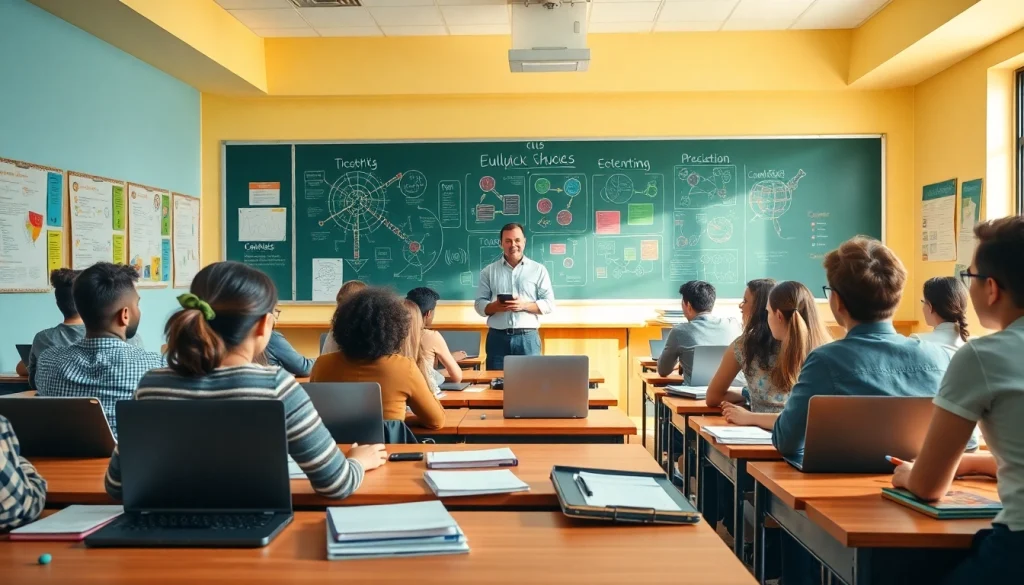
Understanding the Importance of Education
The Role of Education in Personal Development
Education is a powerful tool that profoundly influences personal development throughout an individual’s life. It is not merely about gaining knowledge or skills; it is about shaping one’s character, enhancing emotional intelligence, and developing critical thinking abilities. The process of education fosters various competencies that contribute to the formation of a well-rounded personality.
One key aspect of personal development through education is the cultivation of self-discipline. Engaging with diverse subjects and committing to learning schedules instills habits of responsibility and time management. Furthermore, education encourages individuals to set goals and strive for achievements, boosting their self-esteem and confidence in their abilities.
Moreover, education opens doors to new perspectives and cultures, promoting empathy and understanding among peers. By interacting with diverse backgrounds, students learn the values of respect and tolerance, which are invaluable for personal growth and integration into society.
Educational Impacts on Society and Economy
The impact of education on society and the economy is significant and multifaceted. At the societal level, education fosters informed citizens who can contribute positively to democratic processes and community development. A well-educated populace is more likely to participate in community service, volunteerism, and civic engagement, which ultimately strengthens social cohesion.
Economically, education is a catalyst for growth. Research consistently shows that nations with higher levels of education enjoy greater rates of economic prosperity. An educated workforce is more productive, innovative, and adaptable to changing job markets. This is particularly important in the age of technology, where adaptability and continuous learning are crucial for economic survival.
Moreover, investing in education reduces economic inequality. Access to quality education equips individuals with the skills necessary to secure higher-paying jobs, thus providing them with better opportunities and improving their quality of life. Therefore, societies that prioritize education tend to have lower poverty rates and improved economic status.
The Relationship Between Education and Quality of Life
Education plays a pivotal role in enhancing the overall quality of life for individuals. Access to quality education leads to better job prospects, higher income levels, and improved health outcomes. Numerous studies indicate a strong correlation between educational attainment and life expectancy. Educated individuals are more likely to make informed health choices, leading to healthier lifestyles.
Furthermore, education is linked to personal fulfillment and happiness. Engaging in lifelong learning not only satisfies the intellectual curiosity of individuals but also strengthens social networks. These connections and the shared experiences of learning create a sense of community and belonging, which is fundamental to emotional well-being.
In light of global challenges, such as climate change and public health crises, education equips individuals with the critical thinking skills necessary to address and solve these complex issues. Therefore, a strong educational foundation directly impacts not only personal well-being but also contributes to a more informed and proactive society.
Different Types of Education
Formal Education Systems and Their Benefits
Formal education refers to structured educational systems provided by institutions such as schools and universities. This type of education is usually standardized, following a specific curriculum and is administered by qualified teachers and educators. The benefits of formal education are manifold.
A primary advantage is the recognition of credentials. Formal education provides diplomas and degrees that serve as validated proof of knowledge and skills, important for job applications and career advancements. Additionally, formal education environments foster discipline and communication skills through interactions with educators and peers.
Moreover, formal education often includes a comprehensive support system for students. Counseling services, extracurricular activities, and access to resources like libraries and laboratories further enhance the learning experience and support overall development.
Informal Learning Approaches
Informal education encompasses learning that occurs outside formal educational institutions. This can take place through self-directed study, life experiences, community projects, or social interactions. While informal learning may lack the structure of formal education, it is equally important and impactful.
One significant advantage of informal learning is its flexibility. Individuals can pursue their interests, learn at their own pace, and adapt their learning experiences to fit their unique contexts. Informal education can lead to practical skills that are directly applicable to everyday life or specific job roles.
Additionally, informal learning often encourages creativity and critical thinking. Without a rigid curricular framework, learners have the freedom to explore various topics, engage in problem-solving, and cultivate innovative ideas. Such empowerment can be instrumental in personal and professional growth.
Online Education Trends and Innovations
The digital revolution has transformed the landscape of education, paving the way for online learning, which offers unprecedented access and flexibility. Online education includes various modalities, such as massive open online courses (MOOCs), webinars, and virtual classrooms, appealing to a diverse range of learners.
The advantages of online education extend beyond accessibility; it allows learners to balance education with other responsibilities, such as work and family. For many, this flexibility can make education more attainable. Furthermore, online courses often leverage multimedia and interactive content, enhancing engagement and comprehension compared to traditional methods.
Innovations in technology also contribute to personalized learning experiences. Adaptive learning algorithms can tailor educational content to meet individual needs, ensuring that learners progress at their own pace and revisit challenging concepts as needed. This customization can significantly enhance learners’ confidence and motivation, resulting in more successful educational outcomes.
Effective Teaching Methods
Engaging Students with Active Learning Techniques
Active learning techniques promote student engagement and participation, leading to deeper understanding and retention of knowledge. This student-centered approach encourages learners to take an active role in their education rather than passively receiving information.
Examples of active learning strategies include group discussions, problem-solving sessions, and hands-on projects. For instance, utilizing group work not only fosters collaboration and communication skills but also allows students to learn from one another, gaining diverse insights into different perspectives.
Furthermore, active learning promotes critical thinking. When students are engaged in discussions or debates, they must evaluate information, formulate arguments, and respond to counterarguments. This process helps develop higher-order thinking skills essential for success in both academic and professional settings.
Differentiated Instruction Strategies
Differentiated instruction refers to tailoring educational experiences to meet the diverse needs, preferences, and abilities of individual learners. This methodological approach recognizes that students vary in their learning styles, readiness, and interests, thus requiring varied teaching strategies.
Teachers can differentiate instruction in several ways, such as varying the content, process, product, and learning environment. For example, when teaching a concept, teachers might provide advanced materials for gifted students while offering additional support to those who need it. Similarly, assessing understanding can be adapted by allowing students to demonstrate their knowledge through presentations, projects, or written essays instead of standardized tests.
This approach not only enhances student engagement but also promotes a growth mindset, empowering learners to take ownership of their education. By recognizing and addressing individual strengths and weaknesses, differentiated instruction supports all students in reaching their full potential.
Assessing Student Performance and Feedback
Assessment is a critical component of the educational process, providing insights into student learning and understanding. Effective assessment strategies include formative, summative, and diagnostic assessments, each serving specific purposes in tracking progress and informing instruction.
Formative assessments, such as quizzes, discussions, and projects, are conducted during the learning process and provide ongoing feedback. This regular feedback allows educators to identify areas where students may struggle and adjust their teaching methods accordingly. Summative assessments, on the other hand, evaluate student learning at the end of an instructional period to determine whether educational objectives have been met.
Moreover, feedback is essential for growth. Providing constructive feedback empowers students to reflect on their performance and understand how to improve. Timely and specific feedback can motivate students, helping them recognize their progress and fostering a desire to learn more.
Overcoming Challenges in Education
Addressing Equity in Educational Access
Despite advances in providing education, disparities in access remain a significant challenge. Equity in education ensures that all individuals, regardless of background, have the opportunity to obtain quality education. Addressing these disparities requires innovative solutions and a commitment from society to eliminate barriers.
One approach is to invest in resources and infrastructure in underserved communities. Providing access to technology, textbooks, and experienced teachers can level the playing field for students who might otherwise lack these resources. Furthermore, creating scholarship programs and financial aid systems can enable students from low-income families to pursue higher education without the burden of excessive debt.
Moreover, promoting inclusive education systems that cater to the diverse needs of students, including those with disabilities, ensures that everyone can benefit from quality education. Training for educators in inclusive teaching practices can significantly enhance learning outcomes for all students.
Supporting Students with Special Needs
Education must cater not only to the average learner but also to those with special needs. Supporting these students requires a comprehensive understanding of specific challenges they may face, along with strategies to provide appropriate support.
Individualized Education Programs (IEPs) play a crucial role in addressing the unique needs of students with disabilities. These personalized plans outline specific goals, modifications, and services tailored to each student’s requirements. Collaboration among educators, parents, and specialists is essential to ensure that the student receives the right support.
Additionally, providing additional training for teachers in special education techniques can empower them to create a more inclusive classroom environment. Access to specialized resources, such as alternative learning materials or assistive technologies, can further enhance the learning experience for students with special needs.
Navigating Technological Changes in Learning Environments
The rapid pace of technological change poses both challenges and opportunities for education. While technology can enhance learning, it also demands that educators adapt their teaching methods to incorporate new tools and platforms effectively.
Professional development opportunities for teachers in educational technology can bridge this gap. Training sessions that focus on how to utilize various digital tools, teach online effectively, and integrate technology into traditional classrooms empower educators, enabling them to engage students effectively.
Furthermore, ensuring equal access to technology for all students is vital. Providing devices and reliable internet access can eliminate disparities and allow all learners to benefit from technological advancements. Schools can also adopt blended learning models, combining online and face-to-face instruction, catering to various learning preferences.
Future Directions in Education
Innovations Shaping the Education Landscape
The education landscape is continually evolving as innovations emerge to shape the future of learning. From technological advancements to new pedagogical approaches, education is becoming more personalized, interactive, and accessible. One significant trend is the use of artificial intelligence (AI) in education, enabling personalized learning experiences tailored to each student’s needs.
Moreover, gamification has gained traction as an effective teaching tool. By incorporating game elements into the learning process, educators can boost student motivation and engagement, making learning enjoyable and effective. Additionally, virtual reality (VR) and augmented reality (AR) provide immersive experiences that enhance understanding, especially in subjects requiring visual or experiential learning.
Collectively, these innovations create a more engaging learning environment, helping students acquire knowledge and skills more efficiently and effectively. By preparing students for a rapidly changing world, education can better equip them for future challenges.
The Role of Lifelong Learning in Career Development
Lifelong learning is becoming increasingly crucial in today’s fast-paced job market. As industries evolve and new technologies emerge, the demand for continuous skill development is paramount. Individuals must commit to ongoing education to remain competitive and advance in their careers.
Employers now place significant value on candidates who demonstrate a willingness to learn and adapt. This highlights the importance of not only formal education but also informal learning opportunities, such as workshops, online courses, and professional development programs.
Furthermore, fostering a culture of lifelong learning within organizations leads to continuous innovation and improvement. Companies that invest in their employees’ professional development benefit from increased employee satisfaction and retention, ultimately resulting in enhanced productivity and reduced turnover rates.
Policy Changes and Their Potential Impact on Education
Educational policy changes can significantly influence the quality and accessibility of education. Legislative decisions regarding school funding, curriculum standards, and teacher training initiatives play a crucial role in shaping educational outcomes. For example, policies advocating for increased funding in low-income areas can bridge resource gaps and enhance the educational experience for underserved populations.
Moreover, promoting equitable policies that prioritize inclusivity encourages a collaborative learning environment, catering to all student needs. Ensure that policies address the mental health and well-being of students, providing essential support systems within educational institutions.
As society continues to evolve, ongoing dialogue among educators, policymakers, and the community is essential. Feedback and collaboration can lead to informed decisions, promoting effective educational strategies and addressing the diverse needs of learners.