Smart Home Essentials for Modern Homeowners in 2026
A Smart Home has become an essential feature for modern homeowners in 2026, combining convenience, security, energy efficiency, and personalized comfort. From connected devices to intelligent automation, a well-equipped smart home improves everyday living by streamlining routines, enhancing safety, and providing insights that optimize household management. For homeowners seeking a modern lifestyle, understanding the essential smart home components and trends is critical to creating an integrated, future-ready living space.
Understanding the Modern Smart Home
The modern smart home is more than just connected devices; it is an ecosystem where gadgets communicate, learn, and adapt to the household’s needs.
Defining Smart Home Essentials
Smart home essentials include devices and systems that enhance comfort, convenience, security, energy efficiency, and health. Key categories include:
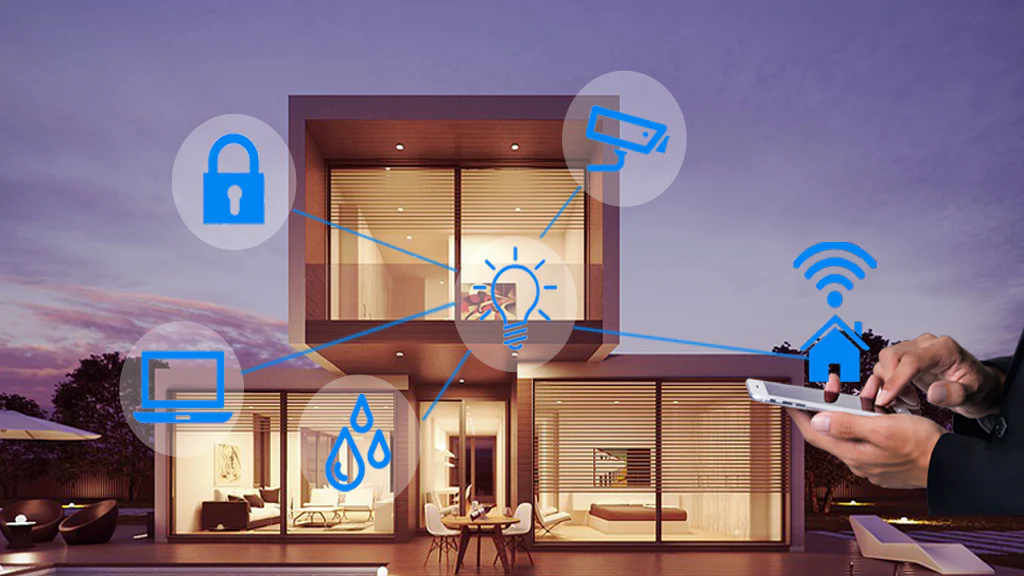
- Security and surveillance devices
- Climate and environmental controls
- Lighting and power management
- Entertainment systems
- Kitchen and appliance automation
- Health and wellness monitoring
Why Smart Homes Are Becoming a Standard
In 2026, smart home adoption is driven by homeowners’ desire for convenience, efficiency, and security. Integrated systems reduce manual tasks, provide peace of mind, and support sustainable living. Modern homeowners increasingly expect their homes to offer technology-driven solutions that improve quality of life.
Core Principles of a Smart Home
Modern smart homes operate on three core principles: automation, integration, and personalization. Automation reduces repetitive tasks, integration ensures seamless communication between devices, and personalization adapts the home environment to individual preferences.
Essential Smart Home Security Devices
Security remains a top priority for homeowners. Essential devices ensure that the home is protected while providing convenience and peace of mind.
Smart Cameras and Surveillance Systems
Smart cameras are indispensable for monitoring indoor and outdoor spaces. Features include:
- High-definition video recording with night vision
- Motion detection and AI-based activity recognition
- Remote access and notifications
- Integration with alarms and lighting
Smart cameras allow homeowners to monitor their property in real-time, record evidence, and receive instant alerts when unusual activity occurs.
Smart Locks and Entry Management
Smart locks replace traditional keys with digital access solutions, offering:
- Remote locking and unlocking
- Temporary access for visitors or service personnel
- Activity logs to track who enters or exits
Integration with cameras and alarms ensures a coordinated response to potential security threats.
Motion Sensors and Environmental Detectors
Motion sensors detect movement, triggering alarms or cameras as necessary. Environmental detectors monitor:
- Smoke and fire
- Carbon monoxide
- Water leaks or flooding
These devices provide proactive protection and minimize damage by alerting homeowners immediately and triggering automated safety measures.
Climate and Environmental Control Essentials
Maintaining comfort and energy efficiency is a key aspect of a smart home. Essential climate control devices provide precise regulation and automation.
Smart Thermostats
Smart thermostats learn household routines, adjusting heating and cooling for optimal comfort and energy savings. Features include:
- Scheduling based on occupancy and time of day
- Predictive adjustments based on weather forecasts
- Remote control via apps or voice assistants
Air Quality Monitors and Purifiers
Smart sensors monitor indoor air quality, detecting pollutants, allergens, and humidity. Integration with purifiers, humidifiers, and HVAC systems ensures:
- Improved health and comfort
- Automated air purification and climate adjustments
- Notifications when environmental conditions require attention
Smart Fans and Ventilation Systems
Smart fans and ventilation systems adjust airflow based on occupancy, temperature, and air quality data. This enhances comfort and supports energy-efficient operation.
Smart Lighting and Power Management
Lighting and power management devices are essential for convenience, safety, and energy efficiency.
Smart Bulbs and Fixtures
Smart bulbs allow homeowners to control brightness, color, and schedules. Key benefits include:
- Automated routines for daily activities
- Motion-activated lighting for security and convenience
- Remote control via apps or voice commands
Smart Plugs and Energy Monitors
Smart plugs enable monitoring and control of individual appliances. They help:
- Reduce energy waste
- Automate routines such as turning off devices when not in use
- Provide insights into energy consumption patterns
Integration With Home Automation
Lighting and power management devices can integrate with security systems, climate control, and entertainment, providing coordinated automation for maximum efficiency and convenience.
Smart Entertainment Systems
Entertainment is a critical aspect of modern living, and smart home essentials enhance media consumption experiences.
Multi-Room Audio Systems
Connected speakers and sound systems allow synchronized audio across multiple rooms, controlled via apps or voice commands. This creates immersive entertainment environments with minimal effort.
Smart TVs and Streaming Devices
Smart TVs integrate with the broader smart home ecosystem, enabling:
- Voice-controlled operation
- Automated routines, such as dimming lights during movie time
- Remote control and content access
Personalized Entertainment Automation
Smart systems learn user preferences and can adjust lighting, sound, and display settings automatically to match activity, enhancing convenience and immersion.
Smart Kitchen Essentials
The kitchen is a hub of activity where smart devices provide efficiency, safety, and convenience.
Smart Refrigerators
Smart refrigerators monitor inventory, track expiration dates, suggest recipes, and even create shopping lists. These features reduce food waste and simplify meal planning.
Smart Ovens and Cooking Appliances
Connected ovens and stoves provide automated cooking schedules, alerts, and remote monitoring. Integration with environmental sensors ensures safety during cooking.
Smart Coffee Makers and Small Appliances
Automated coffee machines, dishwashers, and other appliances streamline daily routines. Users can schedule operations, receive notifications, and control devices remotely.
Health and Wellness Essentials
Modern homeowners prioritize health and wellness, and smart home devices play a critical role in monitoring and improving well-being.
Sleep Optimization Systems
Smart lighting, climate control, and mattresses adjust to create optimal sleep conditions. Automation ensures that bedrooms are conducive to rest without manual adjustments.
Fitness and Activity Monitoring
Smart mirrors, connected equipment, and wearable integration provide insights into exercise routines, encouraging healthier lifestyles.
Indoor Air and Environmental Monitoring
Air quality, humidity, and temperature sensors help maintain a healthy home environment, particularly beneficial for families with children, elderly members, or those with respiratory conditions.
Centralized Control and Automation
Centralized control hubs are essential for managing a smart home ecosystem efficiently.
Smart Home Hubs
Hubs provide a single interface to control security systems, lighting, climate, entertainment, and appliances. This streamlines operations and simplifies monitoring.
Mobile App Integration
Smart home apps allow remote access, monitoring, and management. Homeowners can adjust settings, receive notifications, and automate routines from anywhere.
Custom Automation Routines
Automation routines coordinate multiple devices to respond to specific triggers. Examples include:
- “Good Morning” routine that opens blinds, adjusts temperature, and starts coffee
- “Away Mode” that locks doors, arms alarms, and turns off lights
- “Movie Night” setting that dims lights, adjusts sound, and controls media
Future-Proofing Your Smart Home
Planning for future growth ensures a smart home remains relevant and effective.
Selecting Compatible Devices
Choose devices compatible with popular ecosystems and standards for easy integration and expansion.
Scalable Systems
Opt for modular systems that allow additional devices to be added without disrupting existing setups.
Regular Updates and Maintenance
Firmware updates, security patches, and device maintenance are essential to ensure the system continues to function efficiently and securely.
Benefits of Smart Home Essentials
Smart home essentials provide tangible benefits that enhance daily living.
Convenience and Efficiency
Automation reduces manual tasks and streamlines household management, freeing time for homeowners to focus on other priorities.
Enhanced Safety and Security
Integrated cameras, sensors, and alarms provide comprehensive protection, reducing the risk of theft, accidents, or environmental hazards.
Energy Savings and Sustainability
Smart devices optimize energy and resource usage, reducing costs and promoting environmentally responsible living.
Personalized Comfort
Systems adapt to user preferences, providing a living environment that is tailored, comfortable, and responsive.
Peace of Mind
Remote access, real-time monitoring, and automation ensure homeowners feel secure and informed, even when away from home.
Conclusion
Smart home essentials are no longer optional—they are integral for modern homeowners in 2026. From security cameras and smart locks to climate control, entertainment systems, kitchen appliances, and health-focused devices, each component contributes to a safer, more comfortable, and efficient living environment. Centralized control, automation, and integration maximize the benefits, creating a cohesive ecosystem that adapts to the household’s needs. By investing in essential smart home devices and planning for future growth, homeowners can enjoy a connected, convenient, and future-ready home that enhances every aspect of daily life. Explore all topics in one place by visiting our homepage.
FAQs
What are the most important smart home essentials for modern homeowners?
The most important smart home essentials include security cameras, smart locks, environmental sensors, smart thermostats, lighting systems, entertainment devices, kitchen appliances, and health monitoring tools, as these provide comprehensive safety, convenience, and efficiency.
How can smart home devices improve energy efficiency?
Smart home devices optimize energy usage by regulating climate systems, automating lighting, monitoring appliance consumption, and adjusting operations based on occupancy and schedules, reducing energy waste and lowering utility bills.
Are smart home essentials suitable for all types of households?
Yes, smart home essentials are scalable and customizable, making them suitable for apartments, houses, and multi-occupant homes. Devices can be tailored to meet security, comfort, and lifestyle needs of any household.