Understanding Massachusetts Residential Architecture
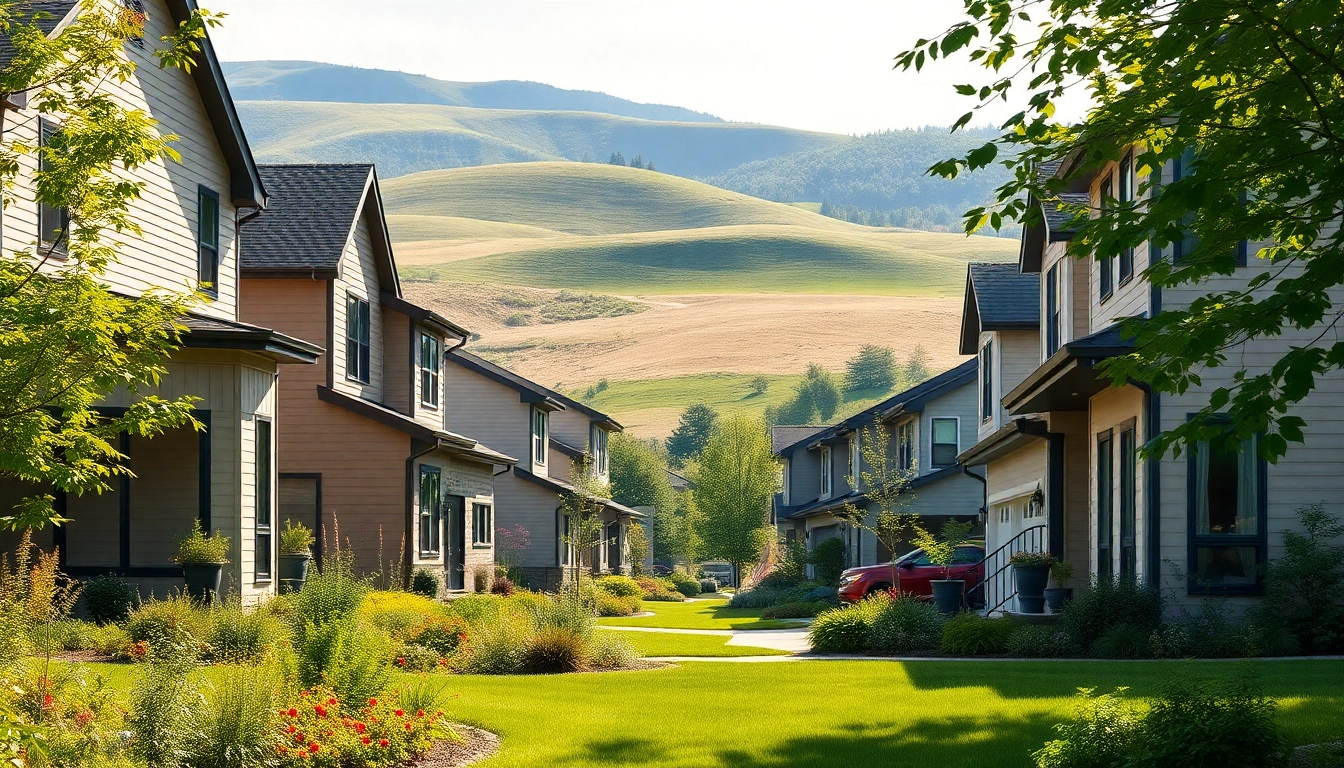
Massachusetts residential architecture reflects a unique blend of history, culture, and innovation. The state has been at the forefront of architectural trends in the United States, exhibiting various styles that mirror its historical context and modern needs. From Colonial homes to contemporary dwellings, understanding this Massachusetts residential architecture can offer insights into the evolving nature of housing in the region.
Defining Key Concepts
Residential architecture is more than just the design of homes; it encompasses the spatial organization, functionality, and aesthetics that meet the diverse needs of its inhabitants. Key concepts in residential architecture include:
- Design Aesthetics: This involves the stylistic choices made by architects, which can significantly influence a home’s visual impact.
- Functional Space Planning: Effective use of space that accommodates the lifestyle of its residents, contributing to comfort and usability.
- Material Selection: The choice of materials affects not only durability and maintenance but also the environmental impact of residential projects.
Historical Influences on Design
Massachusetts has a rich architectural history that is essential to understanding its current residential designs. The early colonial settlers brought styles from Europe, which evolved over time into distinctive American styles.
Significant historical influences include:
- Colonial Architecture: Characterized by symmetry and simple rectangular shapes, using local materials, particularly wood.
- Federal Style: Emerging in the late 18th century, this style emphasized neoclassicism with adorned entryways and fanlights.
- Victorian Era: The 19th century introduced larger homes with elaborate detailing, colorful facades, and a variety of rooflines.
Current Trends in Architecture
Today, Massachusetts residential architecture is shaped by trends that cater to sustainability, modern conveniences, and aesthetic appeal. Current trends include:
- Sustainability: New designs prioritize energy efficiency through passive solar heating, green roofs, and sustainable materials.
- Open-Concept Spaces: More homes are being designed with open floor plans, promoting a sense of spaciousness and natural light.
- Smart Home Technology: The integration of technology into the design supports energy management and enhances daily living experiences.
Benefits of Sustainable Design
The call for sustainable design in Massachusetts residential architecture is strong, driven by environmental concerns and an evolving understanding of energy use. The benefits of sustainable building practices are numerous.
Environmental Impact
Sustainable design reduces the environmental footprint of residential buildings. Measures include the use of renewable energy sources, water conservation techniques, and eco-friendly materials. Massachusetts has implemented various policies encouraging green architecture, aimed at minimizing harm to the ecosystem and promoting sustainable living practices.
Cost-Efficiency in Construction
While sustainable design may require a higher initial investment, it typically leads to long-term cost savings. Energy-efficient homes result in lower utility bills and reduced maintenance costs. Additionally, the use of sustainable materials can allow builders to tap into incentives that can offset construction costs, making it economically viable.
Enhancing Property Value
Properties designed with sustainability in mind often attract higher resale values. Modern buyers are increasingly interested in energy-efficient homes with reduced operational costs. As environmental awareness grows, so do the expectations for sustainable features, making these homes more desirable on the market.
Architectural Styles Found in Massachusetts
The architectural landscape in Massachusetts is incredibly diverse, influenced by an array of historical and modern styles. Understanding these styles can enhance appreciation for the homes within this region.
Colonial Revival and Its Features
Colonial Revival architecture draws on early American styles, particularly from the 18th and early 19th centuries. Often featuring:
- Symmetrical Front Facades: Balanced appearances reflecting the ideal of harmony.
- Classic Elements: Columns, pediments, and gables that reflect classical design principles.
- Traditional Materials: Wood framing and brick exteriors that give a nod to historic construction techniques.
Contemporary Trends in Housing
Contemporary residential architecture in Massachusetts showcases innovative designs that respond to modern living needs. Key characteristics include:
- Minimalistic Aesthetics: Clean lines, open spaces, and functionality drive design.
- Integration with Nature: Homes often feature large windows to maximize views and natural light, blurring the indoor-outdoor divide.
- Mixed Materials: Balancing wooden elements with glass and steel, creating dynamic contrasts and enhancing structural integrity.
Integrating Classic and Modern Elements
Many architects in Massachusetts now blend classic and modern designs, creating unique residential spaces. This integration can be seen in:
- Complementary Features: Modern amenities paired with traditional craftsmanship, such as updated kitchens within vintage frameworks.
- Adaptive Reuse: Repurposing older structures while retaining their historical significance, ensuring that the past informs the present.
- Community-Focused Designs: Consideration of neighborhood context and how new homes will meld with existing architecture.
Challenges in Massachusetts Residential Architecture
While Massachusetts residential architecture is thriving, it faces several challenges that must be navigated to ensure continued growth and sustainability.
Regulatory and Environmental Considerations
Architects must navigate numerous regulations intended to protect historical integrity, environmental sustainability, and building safety. Zoning laws can limit design flexibility, while stricter guidelines on sustainable practices can require additional planning and resources. To navigate these challenges, it is crucial to engage with local authorities early in the design process.
Balancing Tradition and Innovation
As architectural practices evolve, finding the right balance between preserving historical architecture and embracing innovation can be tough. Many Massachusetts architects work to bridge this gap through designs that reflect historical context while incorporating modern innovations. Community consultations can help in gauging public sentiment toward emerging styles and functional needs.
Common Design Mistakes
New residential projects can fall prey to various design mistakes, including:
- Neglecting Site Orientation: Failing to consider natural light and wind patterns can compromise energy efficiency.
- Overlooking Scale: Ensuring that new designs harmonize in scale and proportion with existing structures is essential to maintain the locality’s character.
- Ignoring Local Building Practices: Not utilizing local craftsmanship and materials can lead to designs that feel disconnected from their surroundings.
Future Outlook for Massachusetts Residential Architecture
Looking forward, the future of Massachusetts residential architecture is shaped by technological advancements, community involvement, and a growing emphasis on sustainability.
Technological Innovations in Design
The integration of technology in architectural design continues to surge, with tools like Building Information Modeling (BIM) and 3D printing transforming how architects approach design. These technologies enable rapid prototyping, improved precision, and more efficient project management. Additionally, smart home technologies enhance the functionality of new homes while improving energy efficiency.
Community Initiatives and Engagement
Future residential projects will increasingly involve community engagement to ensure that new designs reflect the needs and desires of local residents. Architects are finding greater success when they incorporate community feedback into their processes, fostering a sense of ownership and belonging among residents.
Eco-Friendly Building Materials
As sustainability remains a key consideration, architects in Massachusetts are exploring new eco-friendly materials that not only reduce environmental impact but also provide durability and aesthetic appeal. Innovations in materials such as recycled metals, sustainable timber, and biodegradable composites allow for greener construction practices that align with future residential needs.
Frequently Asked Questions
What is Massachusetts residential architecture?
It refers to the styles, trends, and designs of homes built in Massachusetts, reflecting both historical influences and modern innovations.
Why is sustainable design important?
Sustainable design minimizes environmental impact, reduces energy costs, and enhances the overall quality of life for residents.
What are common design styles in Massachusetts?
Popular styles include Colonial Revival, Cape Cod, and contemporary designs that blend traditional and modern elements.
What challenges do architects face in Massachusetts?
Architects often deal with regulatory hurdles, balancing traditional aesthetics with modern needs, and environmental constraints.
What is the future of residential architecture in Massachusetts?
The future emphasizes sustainability, integration of technology, and community-focused designs to enhance living environments.
About the Author