The Role of Videographer in Modern Storytelling
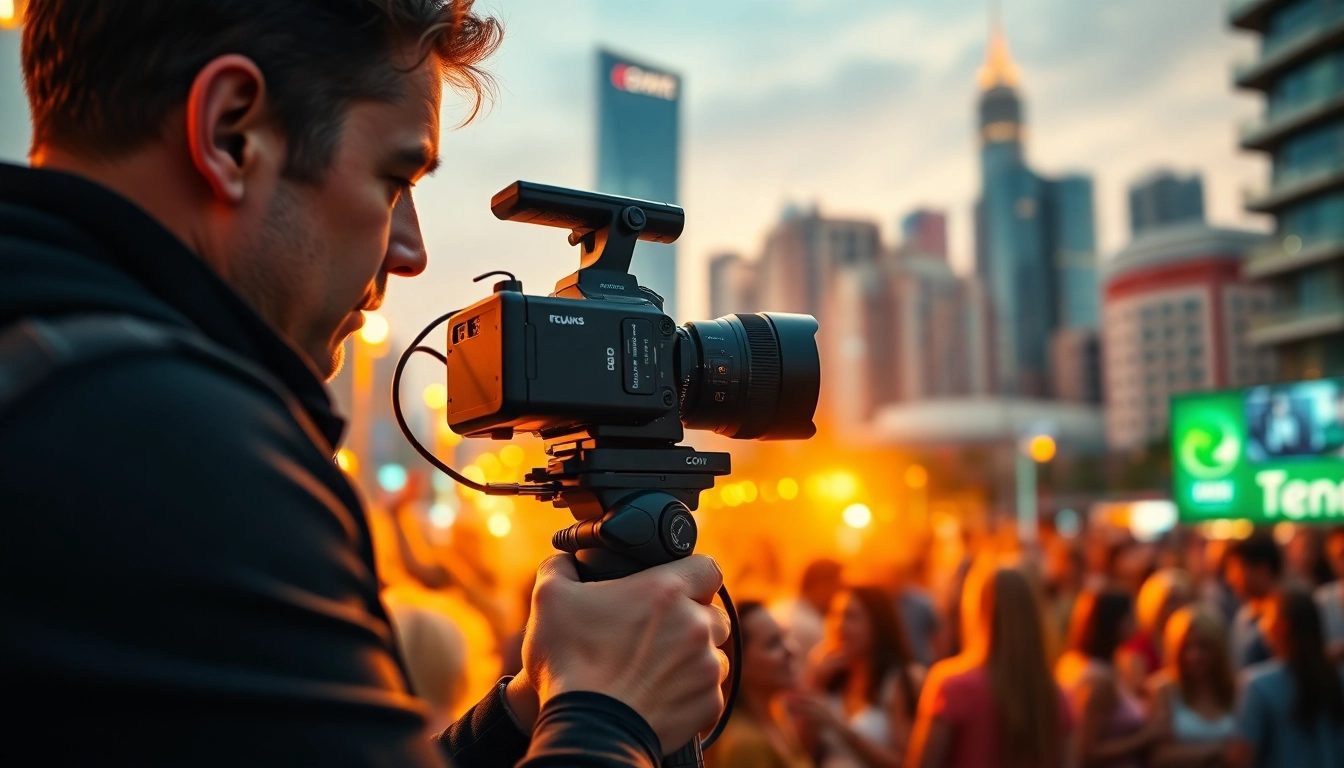
In an age where visual content reigns supreme, the role of a Videographer has become increasingly pivotal. These skilled professionals not only capture moments but also craft narratives through the lens of their cameras, employing a unique blend of technical skill and artistic vision. In this article, we will explore the multifaceted responsibilities of a videographer, dissect the key skills required for success, and discuss how they differ from photographers.
Understanding the Videographer’s Impact
A videographer significantly contributes to storytelling across various platforms, from commercial advertising to personal events like weddings. Their work creates an emotional connection with viewers, providing a sensory experience that images alone often cannot convey. By understanding the audience’s desires and preferences, videographers can tailor their content to resonate deeply and leave a lasting impression.
Moreover, the rise of social media has amplified the need for compelling video content. As businesses and individuals seek to stand out in crowded digital landscapes, videographers become indispensable allies in achieving engagement and brand visibility. Whether it is through crafting concise promotional videos or producing in-depth documentaries, the impact of skilled videography is profound.
Key Skills and Attributes of a Successful Videographer
To succeed as a videographer, one must possess a wide range of skills and attributes:
- Technical Proficiency: A strong understanding of cameras, lighting techniques, and sound equipment is essential.
- Cinematography Skills: This includes composition, framing, and the ability to visualize scenes dynamically.
- Editing Expertise: Familiarity with video editing software and techniques is crucial for post-production effectiveness.
- Creativity: The ability to develop unique ideas and approaches to storytelling sets exceptional videographers apart.
- Communication Skills: Being able to collaborate with clients and understand their vision is vital.
Videographer vs. Photographer: Key Differences
While both videographers and photographers capture visual moments, their art forms are distinct. Photographers freeze a single moment in time, allowing viewers to interpret the image in their way. Conversely, videographers create a sequence of moving images, combining sound, movement, and narrative. This difference allows videographers to communicate stories more dynamically and immerse the audience in experiences.
In essence, both professions complement each other during events such as weddings, where photographers document still moments while videographers weave a narrative through moving visuals, capturing the essence and emotion of the day.
Essential Equipment Every Videographer Should Own
The right equipment can make or break a videographer’s ability to capture stunning visuals. Understanding what to invest in is crucial for delivering quality projects and satisfying clients.
Choosing the Right Camera for Videography
When selecting a camera, videographers should look for models that excel in video performance, such as:
- Video Resolution: Cameras that offer 4K video resolution have become the standard for professional videography, delivering stunning clarity and detail.
- Sensor Size: Larger sensors provide better low-light performance and dynamic range, making them ideal for various lighting conditions.
- Frame Rate: High frame rates allow for smooth motion capture and the ability to create slow-motion effects in post-production.
Popular choices among professional videographers include mirrorless cameras, DSLRs, and dedicated camcorders, each offering unique advantages based on the type of projects undertaken.
Important Accessories for a Videographer
Accessories also play a pivotal role in achieving professional-quality videography:
- Tripods: A sturdy tripod ensures stable shots, critical for video projects that require static positioning.
- Gimbals: These stabilize cameras during movement, enabling smooth handheld shots.
- External Monitors: Larger screens help videographers frame shots accurately and adjust settings efficiently without missing details.
- Storage Solutions: High-capacity SD cards and external hard drives ensure that ample footage can be captured and stored safely.
Understanding Audio and Lighting Equipment
Quality audio and lighting are as essential as video in effective storytelling:
- Microphones: Investing in high-quality microphones can dramatically improve sound quality, which is vital for interviews, speeches, and dialogues.
- Lights: Understanding lighting techniques and using equipment such as softboxes and LED panels can enhance the visual quality of videography, especially in low-light scenarios.
By mastering audio and lighting, videographers can elevate their projects to a more professional level.
Videography Techniques for Captivating Content
Beyond equipment, utilizing effective videography techniques can significantly enhance the storytelling quality of the content produced.
Framing and Composition for Videographer Projects
Good composition can make the difference between a mediocre video and a captivating one. Here are some principles to consider:
- Rule of Thirds: This technique involves dividing the frame into a grid and placing subjects at the intersecting points, creating balance and interest.
- Leading Lines: Use natural lines in the environment to guide the viewer’s eyes to the subject.
- Foreground Elements: Including elements in the foreground can add depth and context to scenes.
These compositional techniques help make videos more visually appealing and engaging.
Utilizing Camera Movements Effectively
Camera movements can convey emotions and enhance storytelling:
- Pans and Tilts: Slow camera movements can emphasize drama and provide context to the scene.
- Tracking Shots: Following subjects as they move can add dynamism and a sense of action.
- Dolly Shots: Moving the camera closer or further from the subject can create intimacy or distance, affecting how the audience emotionally connects with the scene.
Post-Production Tips Every Videographer Needs to Know
The editing phase is where the magic happens. Key tips include:
- Storyboarding: Plan your edits to create a coherent narrative before diving into the software.
- Color Grading: Adjusting color tones can dramatically alter the mood and feel of the footage.
- Sound Design: Don’t underestimate the power of sound effects and music, which can enhance emotional engagement.
Focusing on these aspects during post-production will enhance viewer engagement and storytelling quality.
Building a Portfolio as a Videographer
A strong portfolio is crucial for attracting potential clients and showcasing skills effectively. Here are ways to build a captivating portfolio that stands out:
Highlighting Your Best Work
Curate your portfolio to focus on quality over quantity. Select projects that best illustrate your skills and versatility. Include diverse work that showcases different styles and techniques, allowing potential clients to see your range. Keep in mind to regularly update your portfolio to reflect your most current work and skills.
Networking Strategies for Aspiring Videographers
Networking is an essential part of growing as a videographer. Attend industry-related events, engage in social media groups, and connect with other professionals. Collaborating on projects can also expand your reach and help you build relationships that may lead to future opportunities.
Where to Showcase Your Videographer Portfolio
Choose platforms that resonate with your target audience and showcase your work effectively. Consider:
- Personal Website: A dedicated site allows you to control the branding and presentation of your portfolio.
- Social Media: Platforms like Instagram, Facebook, and YouTube can effectively showcase your work and connect with potential clients.
- Freelance Marketplaces: Consider joining platforms specifically designed for creatives, where your audience actively seeks videography services.
Utilizing these platforms effectively can help you gain exposure and increase your client base.
The Future of Videography: Trends to Watch
As technology evolves, videography continues to grow and change. Staying on top of trends is crucial for videographers willing to remain competitive.
Embracing Technological Advancements
The industry is experiencing rapid technological advancements, such as:
- 360-Degree Video: Allowing viewers to engage with content interactively can create immersive experiences.
- Drone Videography: Offering unique aerial perspectives can add production value that captivates audiences.
- AI and Automation: Utilizing AI tools for post-production can speed up processes without compromising quality.
By adapting to these technologies, videographers can enhance their offerings and stay relevant.
Incorporating Social Media in Videographer Projects
With social media platforms prioritizing video content in user engagement, adapting portfolios and services to meet these demands is vital. Short-form videos, stories, and engaging content tailored towards specific social media platforms can expand audience engagement and meet clients’ expectations effectively.
Sustainability and Ethical Practices for Videographers
Today’s audience is increasingly aware of ethical standards in media. Implementing sustainable practices, such as minimizing waste during shoots, using energy-efficient lighting equipment, and promoting inclusivity in project selection, can distinguish videographers as responsible professionals. Building a brand that resonates with ethical values attracts like-minded clients.
About the Author