
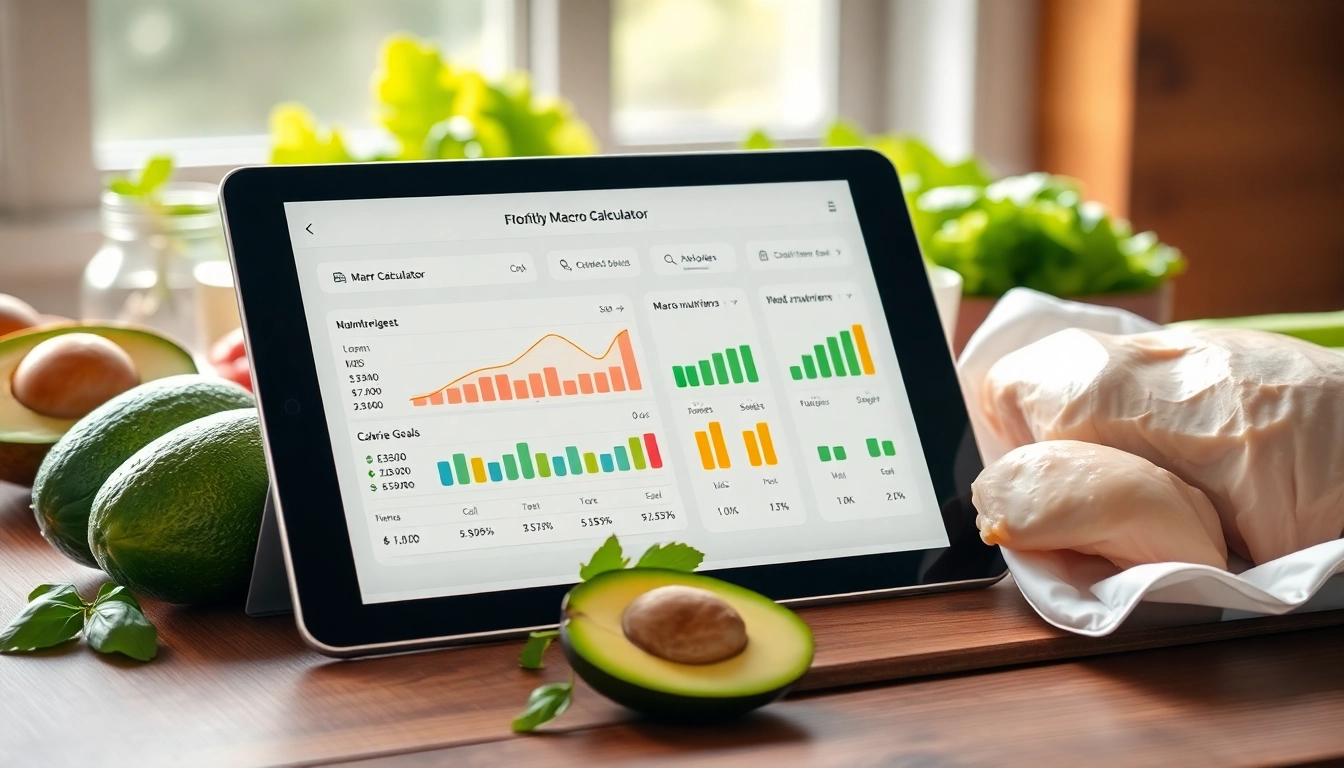
Understanding the Role of Macro Calculators
What is a Macro Calculator and How Does it Work?
A macro calculator is a tool designed to help individuals determine their ideal macronutrient intake, which includes proteins, carbohydrates, and fats. It works by taking into consideration various personal metrics such as age, sex, weight, height, activity level, and dietary goals. By inputting this information into a macro calculator, users can receive a tailored breakdown of how many grams of each macronutrient they should aim to consume on a daily basis. The underlying principle is rooted in the concept of energy balance and nutrient allocation, ensuring that individuals can optimize their diets based on specific health or fitness objectives.
The Importance of Macronutrients in Your Diet
Macronutrients, commonly known as “macros,” are essential for various bodily functions and play a crucial role in overall health. Each macronutrient serves distinct purposes:
- Proteins: Vital for muscle repair, growth, and maintenance. They also play a role in hormone production and immune function.
- Carbohydrates: The primary energy source for the body. They are especially important for brain function and high-intensity exercise performance.
- Fats: Necessary for hormone production, nutrient absorption, and maintaining cell membranes. Healthy fats are a crucial energy source, especially during prolonged physical activity.
Balancing these macronutrients is key in achieving a healthy lifestyle and can aid in weight management, muscle gain, and athletic performance. Understanding how to tailor your intake can lead to improved overall well-being.
Common Uses of a Macro Calculator
Macro calculators can serve a multitude of purposes for individuals across different fitness and health spectrums:
- Weight Loss: By establishing a caloric deficit and optimizing macronutrient ratios, users can effectively shed unwanted pounds.
- Muscle Gain: Athletes and individuals looking to gain lean muscle can use the calculator to ensure they are consuming enough protein and calories to support growth.
- Maintenance: For those seeking to maintain their current weight, a macro calculator can help define the balance of macronutrients needed to prevent weight fluctuations.
- Customized Diet Plans: Individuals following specialized diets, such as ketogenic or vegan diets, can utilize a macro calculator to ensure their nutritional needs are met.
How to Use a Macro Calculator Effectively
Step-by-Step Guide to Inputting Your Information
Using a macro calculator is a straightforward process:
- Gather Your Data: Collect relevant personal information such as age, gender, height, weight, and activity level.
- Define Your Goals: Decide whether you want to lose weight, gain muscle, or maintain your current weight. This will significantly influence your macro breakdown.
- Access the Calculator: Visit a reliable macro calculator tool and enter your data into the specified fields.
- Review Recommendations: Once submitted, the calculator will provide a customized macronutrient breakdown based on your input.
Interpreting Your Macro Calculator Results
Understanding the output from a macro calculator is crucial. Users will typically receive values for each macronutrient, expressed in grams. Here’s how to interpret these results:
- Total Calories: Based on your goals, the calculator will give you a target daily caloric intake.
- Macronutrient Ratios: You’ll see the proportion of calories that should come from each macro. For example, a common recommendation might be 40% carbohydrates, 30% protein, and 30% fats.
- Grams per Macronutrient: This is the actual quantity of each macronutrient you need to consume daily to meet your caloric goals.
Adjusting Your Macros Based on Your Goals
It’s important to remember that macronutrient needs can be dynamic. As you progress in your fitness journey or undergo changes in lifestyle, your macro calculator results may need adjustments. Here are some scenarios where you might want to revisit your macro calculator:
- Change in Weight: If you lose or gain weight, it’s essential to recalculate your macros to align with your new body weight.
- Increased Activity Level: If you significantly increase your exercise routine, you may need to up your caloric intake and adjust your macros accordingly.
- Fitness Goals Change: Shifting from weight loss to muscle gain, for instance, requires a recalibration of your macronutrient ratios.
Benefits of Tracking Your Macronutrients
Improving Weight Management with a Macro Calculator
Tracking macronutrients can greatly enhance weight management efforts. By understanding the right caloric intake and macro breakdown, individuals can create targeted strategies for weight loss or maintenance. Research shows that individuals who track macronutrients tend to have more success with weight-related goals compared to those who don’t monitor their diet.
Enhancing Athletic Performance through Macronutrient Tracking
For athletes, precise macronutrient tracking is vital. The right balance can lead to improved performance and faster recovery times. For instance, optimizing carbohydrate intake before and after workouts can boost energy levels and support muscle recovery, respectively. Furthermore, adequate protein intake aids in muscle repair, essential for any athlete.
Promoting a Balanced Diet with Tailored Macro Insights
Using a macro calculator not only promotes weight-related goals but can also lead to a more balanced diet overall. By focusing on macros, individuals are encouraged to choose from a wide variety of foods across all macro categories. This diversity helps prevent nutrient deficiencies and promotes overall health.
Common Mistakes When Using a Macro Calculator
Neglecting to Adjust for Lifestyle Changes
One common pitfall with macro calculators is failing to update goals as lifestyle changes occur. For example, transitioning from a sedentary to an active lifestyle without readjusting macronutrient intake can derail progress. Regularly reassessing your intake ensures that it remains aligned with your current lifestyle needs.
Misunderstanding Portion Sizes and Nutritional Values
Another frequent mistake is miscalculating portion sizes, which can lead to inaccurate tracking of macronutrients. Education on proper serving sizes and being aware of the macronutrient content of various foods is essential. Using kitchen scales or measuring cups can significantly enhance accuracy when tracking macros.
Overlooking the Importance of Whole Foods
Lastly, while macro calculators are helpful, they can lead to a focus solely on numbers, causing individuals to overlook the quality of their food choices. Prioritizing whole, nutrient-dense foods over processed alternatives is essential for overall health, even if they fit into the macro breakdown.
Transforming Your Health Journey with a Macro Calculator
Creating Personalized Meal Plans Based on Macro Goals
Utilizing the output of a macro calculator, individuals can create personalized meal plans that promote their specific health goals. A meal plan aligned with macro goals will ensure that each meal provides adequate nutrition. Various apps and resources can assist in generating feasible meal plans while adhering to macro guidelines.
Utilizing Apps and Tools Alongside Your Macro Calculator
Alongside a macro calculator, there are numerous apps and tools available that can facilitate tracking. Many of these applications simplify the process of logging food intake, calculating macros, and generating reports on dietary habits. Leveraging technology can enhance accountability and drive progress towards achieving dietary goals.
Success Stories: Real-Life Transformations Using Macro Calculators
Real-life transformations can provide inspiration for those hesitant to start their macro journey. Numerous individuals have shared their stories of success, highlighting how macro calculators helped streamline their nutritional approach. From athletes achieving peak performance to everyday individuals gaining confidence through improved health, success stories emphasize the efficacy and versatility of macro calculators.
About the Author