Fly Fishing Boots Guide: Felt vs Rubber Soles Explained
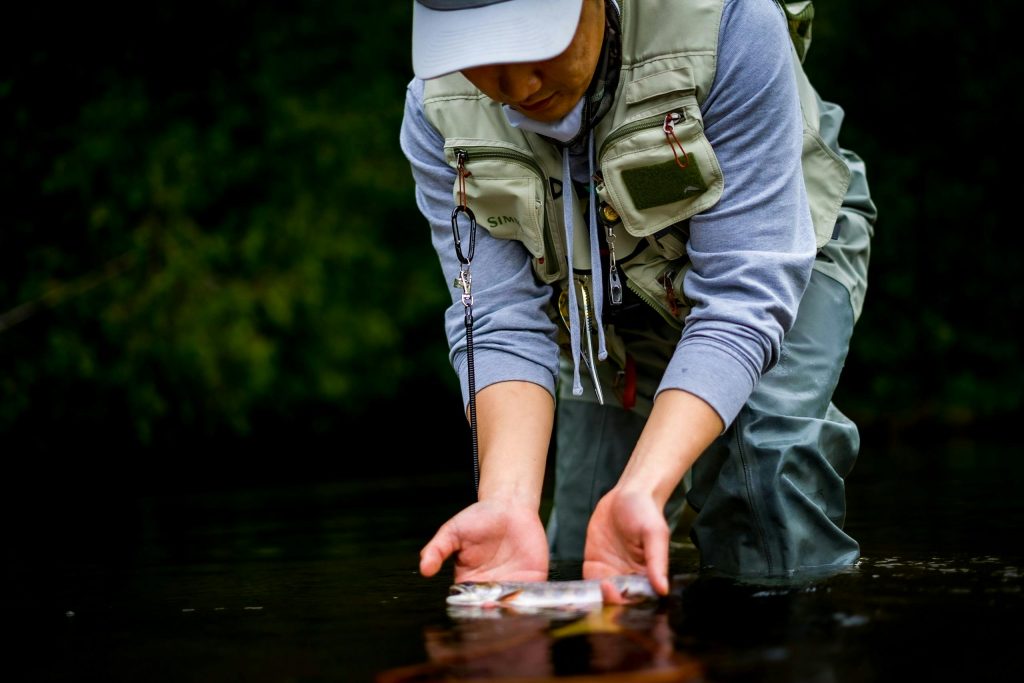
When it comes to fly fishing, having the right gear can make all the difference in your experience and safety. One of the most important pieces of equipment is Fly fishing boots. These specialized boots not only provide comfort for long hours on the water but also ensure stability on slippery rocks and riverbeds. Choosing between felt and rubber soles can be confusing, but understanding their differences, benefits, and drawbacks will help you make an informed decision.
Why Proper Fly Fishing Boots Matter
Investing in high-quality fly fishing boots is essential for both beginners and seasoned anglers. Poor footwear can lead to slips, falls, and discomfort, which can ruin a day on the water. Fly fishing often requires wading through rivers, streams, and sometimes uneven terrains. Therefore, your boots should offer excellent traction, support, and durability. By selecting the right sole type, you can enhance your performance and overall fishing experience.
Felt Soles: Tradition and Traction
Felt-soled fly fishing boots have been a staple in the angling world for decades. Felt provides exceptional grip on slippery and algae-covered rocks, making it easier to maintain balance while wading. The natural texture of felt allows it to mold to surfaces, offering consistent traction even in fast-moving water. Many anglers prefer felt soles for trout fishing in streams with slick rocks and mossy areas.
However, felt soles require proper care to prevent the buildup of bacteria and invasive species. Cleaning your boots after every fishing trip is crucial, especially if you plan to fish in multiple bodies of water. Despite these maintenance requirements, felt soles remain a favorite for their unmatched grip and comfort on uneven surfaces.
Rubber Soles: Durability and Versatility
Rubber-soled fly fishing boots have grown in popularity due to their durability and low maintenance. Unlike felt, rubber soles do not absorb water, making them lighter and faster to dry. They are also easier to clean, reducing the risk of transporting invasive species between fishing locations.
Modern rubber soles often feature cleats, lugs, or sticky rubber patterns that provide excellent traction on wet surfaces. While they may not grip as well as felt on algae-covered rocks, rubber soles perform well on gravel, sand, and mud. Additionally, rubber-soled boots tend to last longer than felt, making them a cost-effective option for anglers who fish frequently.
Felt vs Rubber Soles: Choosing the Right Boot
When deciding between felt and rubber fly fishing boots, consider the type of fishing you do most often. If you frequently fish in slippery, rocky streams, felt soles might be the better choice. On the other hand, if you often wade in varied terrain or need boots that dry quickly, rubber soles are more practical.
Weight is another factor. Felt boots tend to be heavier, which can lead to fatigue during long fishing sessions. Rubber boots are lighter, making them ideal for anglers who cover long distances or hike to remote fishing spots. Ultimately, the decision depends on your personal preference, fishing environment, and comfort requirements.
Additional Features to Consider
Beyond sole material, modern fly fishing boots come with several features to enhance your experience. Ankle support is critical for preventing injuries on uneven terrain. Insulated options are available for cold-weather fishing, keeping your feet warm in icy rivers. Breathable materials help prevent moisture buildup inside the boot, reducing discomfort and blisters.
Another important consideration is the fit. Boots that are too tight can cause soreness, while loose boots may allow water to enter, reducing comfort and stability. Always try on boots with the waders you plan to wear to ensure a proper fit.
Maintaining Your Fly Fishing Boots
Proper maintenance is key to extending the life of your fly fishing boots, regardless of the sole type. Felt soles should be cleaned and dried thoroughly after every trip. Some anglers also treat felt with anti-bacterial sprays to prevent odor and decay. Rubber soles require less intensive care but should still be rinsed after use, especially when fishing in saltwater or muddy environments.
Storing your boots in a cool, dry place helps prevent damage to the materials. Regularly inspecting the soles for wear and tear will ensure optimal performance and safety during fishing trips.
Conclusion
Selecting the right fly fishing boots is essential for safety, comfort, and performance on the water. Felt soles provide unmatched traction on slippery rocks, while rubber soles offer durability, versatility, and low maintenance. By evaluating your fishing environment, personal preferences, and required features, you can find the perfect pair of boots to enhance your fly fishing adventures. Remember, the right footwear allows you to focus on the thrill of the catch, not worrying about slips or discomfort.