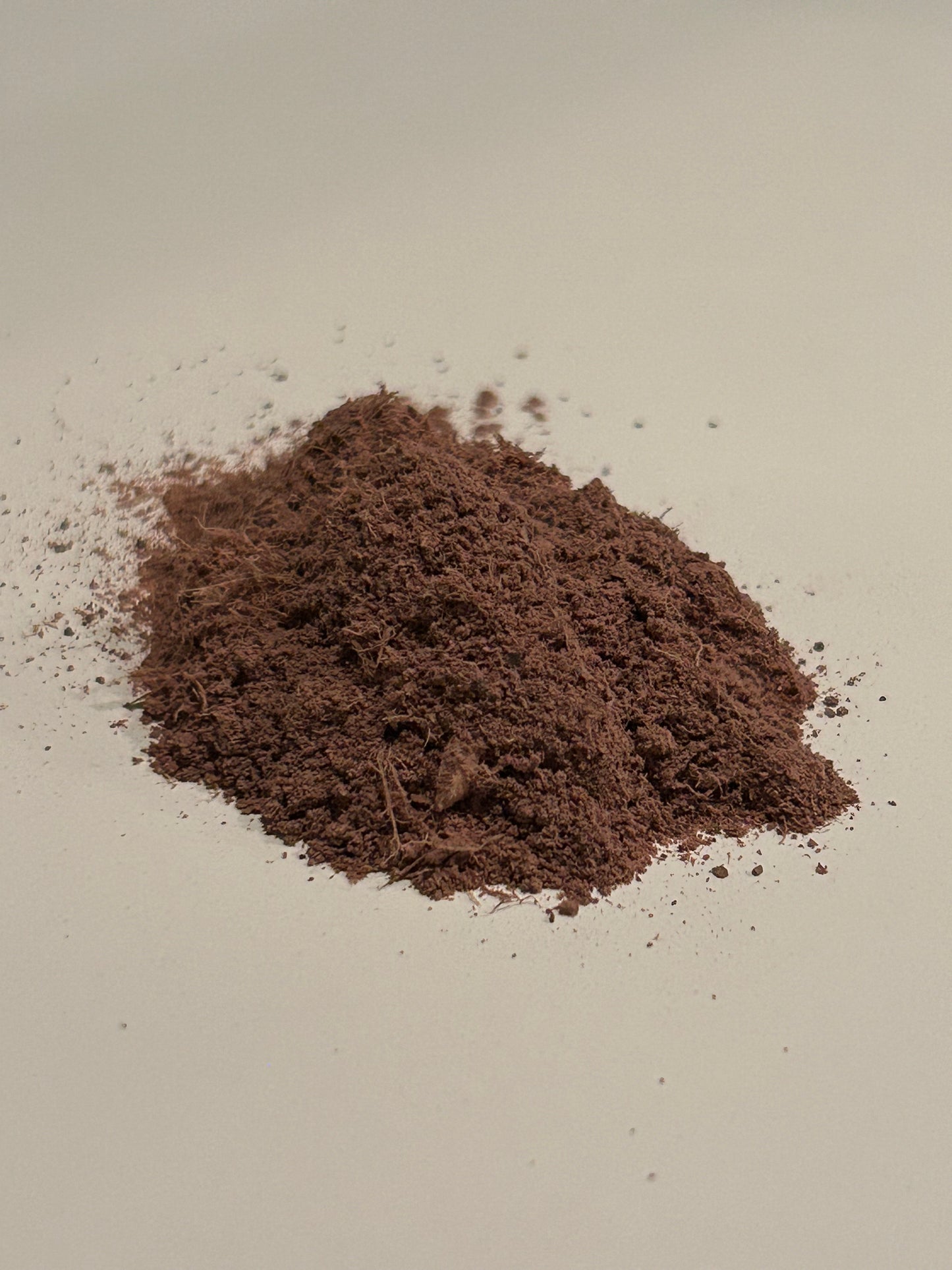
Cutch dye has long been valued for its ability to create warm, earthy browns that feel both timeless and contemporary. Sourced from the heartwood of the Acacia catechu tree, this traditional natural colorant has found renewed appreciation among textile artists, eco-conscious makers, and anyone seeking plant-based alternatives to synthetic dyes. With its rich history, reliable performance, and sustainable origins, Cutch dye offers a versatile path to creating deep, expressive tones across fabrics and fibers.
Understanding the Origins of Cutch Dye
A Botanical Source with Deep Roots
Derived from concentrated extracts of Acacia catechu, Cutch dye has been used for centuries across Asia for both textile dyeing and medicinal practices. The heartwood is boiled down to produce a solid resin rich in tannins—key to its excellent binding ability on natural fibers. This high tannin content is what makes Cutch dye particularly responsive to mordants and capable of producing lasting color.
Historical Significance
In earlier dye traditions, Cutch dye played an important role in creating brown and khaki garments for military textiles, handwoven fabrics, and regional craft traditions. Its durability and warm glow made it a staple in natural dyeing long before modern pigments became available.
Why Makers Choose Cutch Dye Today
Eco-Friendly and Sustainable
One of the primary reasons contemporary dyers gravitate toward Cutch dye is its minimal environmental impact. Because it is a plant-based material harvested responsibly, it aligns beautifully with slow-fashion principles and eco-conscious textile production.
Warm, Versatile Color Range
Depending on the mordant and dyeing method used, Cutch dye can yield a spectrum of tones—from soft honeyed tans to deep chocolate browns. Layering, dipping, and modifying allow artists to refine the shade, making Cutch dye one of the most flexible natural browns available.
Excellent Lightfastness
With proper mordanting, Cutch dye produces highly durable colors that resist fading. This makes it an excellent choice for apparel, accessories, home décor textiles, and art pieces that require longevity.
How to Use Cutch Dye in Natural Dyeing
Preparing the Fiber
Before dyeing, fibers must be cleaned and mordanted. Because Cutch dye contains natural tannins, it bonds particularly well with cellulose fibers such as cotton, linen, and hemp. Protein fibers like wool and silk also take the color beautifully but may require slightly different preparation steps.
Extracting the Color
To prepare the dye bath, the solid extract is dissolved in hot water and strained to remove sediments. Many dyers prefer to let Cutch dye fully hydrate before adding fabric, ensuring a smooth, even application.
Mordants and Modifiers
- Alum yields warm golden browns.
- Iron produces deeper, moodier browns and greys.
- Cream of tartar can soften the color, bringing out subtle rose undertones.
Experimenting with different mordants is one of the most rewarding aspects of working with Cutch dye, as small adjustments can significantly influence the final outcome.
Techniques for Creating Beautiful Earthy Tones
Immersion Dyeing
The most common technique, immersion dyeing allows fabrics to absorb the dye gradually. Longer soaking times deepen the tone, and multiple dips can create layered, dimensional hues. With patience and gentle handling, Cutch dye achieves smooth uniformity across large pieces.
Block Printing and Surface Design
Because it thickens well, Cutch dye is also popular for block printing and paste applications. Artists can create repeating motifs or freehand designs that stand out with warm, natural beauty.
Overdyeing
Overdyeing with Cutch dye offers endless possibilities. Layering it over indigo creates deep army greens; pairing it with madder produces russet oranges. The dye’s adaptability makes it a favorite for multi-tonal and experimental textile work.
Caring for Fabrics Dyed with Cutch Dye
Textiles colored with Cutch dye are relatively low-maintenance. Gentle washing with mild, pH-neutral soap helps preserve color vibrancy. Allowing items to dry away from direct sunlight ensures longevity, especially for lighter shades.
Inspiration for Creative Projects
Apparel and Wearables
From scarves and shawls to natural-dyed shirts and dresses, Cutch dye provides warm neutrals that pair beautifully with minimalistic, earth-toned wardrobes. Its grounding color palette makes it ideal for slow-fashion collections.
Home Textiles
Cushion covers, table linens, curtains, and woven art pieces take on a rustic yet refined look when dyed with Cutch dye. The tones bring a sense of calm, nature-inspired warmth into interior spaces.
Craft and Art Applications
Fiber artists, quilt makers, and mixed-media creators value Cutch dye for its versatility. Its ability to shift tones with iron or overdying allows for layered artistic expressions across multiple mediums.
Conclusion
Whether you’re a seasoned natural dyer or just beginning your plant-based dye journey, Cutch dye offers an inviting way to explore warm earth tones with depth and character. Its sustainable origins, reliable performance, and artistic flexibility make it a standout choice for eco-friendly textile projects. By experimenting with mordants, layering techniques, and fiber types, you can unlock a rich range of browns that bring natural beauty to every handmade creation.
About the Author