Understanding Structural Steel Construction
In the realm of construction, structural steel construction stands as a cornerstone of modern engineering. This construction method utilizes a range of carbon-based steel materials, specifically designed to bear loads and provide structural support for buildings, bridges, and various infrastructures. Understanding its essentials helps stakeholders—builders, architects, and engineers—navigate its complexities and advantages effectively.
What is Structural Steel Construction?
Structural steel construction involves the use of steel components as a framework for buildings and structures. The term ‘structural steel’ refers to steel sections that are designed for construction purposes, including angles, beams, columns, and plates. To qualify as structural steel, the materials must conform to certain standards set by organizations such as ASTM International, which regulate the properties of the steel to ensure it meets the required strength and durability criteria for construction.
Steel is revered for its robustness and versatility, allowing it to take various shapes and forms, which is critical in constructing safe and reliable structures. The major applications of structural steel span multiple sectors, including residential, commercial, industrial, and infrastructure projects.
Key Characteristics of Structural Steel
The primary characteristics that define structural steel include:
- High Strength-to-Weight Ratio: This property allows structural steel to support greater loads than other materials while maintaining a lighter overall structure.
- Durability: Steel is resistant to various environmental factors, including warping, splitting, and decay, providing long-term stability.
- Versatility: Steel can be fabricated into various shapes and sizes, making it suitable for a wide array of design requirements.
- Uniformity: Unlike wood, structural steel components are manufactured to strict, consistent specifications, ensuring predictable performance in construction.
- Speed of Construction: The prefabrication of steel components can significantly reduce onsite construction time, leading to quicker project completions.
Types and Applications in Construction
Structural steel is categorized into several types based on shape and application:
- I-Beams: These are commonly used for beams and columns in a wide range of building types, providing efficient structural performance.
- Channels: Primarily utilized for floor framing and as purlins, channels offer excellent strength in various applications.
- Angles: Used for bracing and supporting loads, angled steel is essential in providing stability to structures.
- Plates: Steel plates serve a variety of purposes, including as base plates for columns and in the assembly of steel structures.
Structural steel construction is applied in diverse settings, ranging from tall skyscrapers and bridges to factories and storage facilities. Its adaptability makes it a preferred choice in evolving construction landscapes.
Principles of Structural Steel Design
Core Design Principles
The design of structural steel involves several fundamental principles to ensure safety, functionality, and aesthetic appeal:
- Load Considerations: Understanding the types of loads (dead, live, environmental) a structure will bear is crucial for effective design.
- Deflection Limits: Designers must account for allowable deflection of beams and frameworks to maintain user comfort and structural integrity.
- Connection Design: Proper design of joints and connections is critical, as these areas are often the points of maximum stress.
- Material Properties: Knowledge of the mechanical properties of steel aids in selecting appropriate grades for specific applications.
Standards and Regulations to Follow
Compliance with established standards and regulations is mandatory in structural steel construction. Professionals must adhere to guidelines set out by organizations such as:
- American Institute of Steel Construction (AISC): Offers comprehensive specifications for steel design.
- International Building Code (IBC): Provides regulations that promote structural safety and sustainability.
- Occupational Safety and Health Administration (OSHA): Enforces workplace safety requirements to protect those involved in steel construction.
Common Design Mistakes to Avoid
To ensure successful outcomes in structural steel construction, certain common design mistakes should be avoided, including:
- Neglecting Load Factors: Failing to consider all potential loads can lead to over or under-designing elements.
- Poor Connection Detailing: Inadequate detailing at connections can compromise overall structural integrity.
- Ignoring Environmental Conditions: Not accounting for factors such as wind, seismic activity, and temperature changes can result in structural failures.
- Underestimating Maintenance Needs: Design must facilitate future maintenance and inspection to ensure long-term durability.
Construction Techniques for Structural Steel
Fabrication Processes Explained
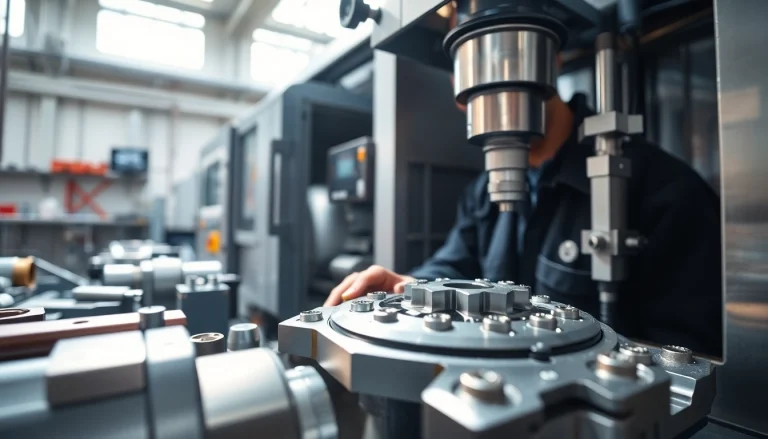
Structural steel fabrication is the process of shaping and assembling steel components into the parts required for construction. Key fabrication processes include:
- Cutting: Sections of steel are cut to specified dimensions using a variety of tools and techniques.
- Bending: Steel segments are bent into required shapes using hydraulic equipment.
- Welding: Jointing steel pieces through welding creates strong, durable connections between components.
- Painting and Coating: Protective coatings can prevent corrosion and extend the lifespan of structural elements.
Assembly Methods on Site
The assembly of structural steel on-site involves several methods that ensure robust constructions:
- Sequential Assembly: Steel components are assembled in a predetermined sequence, usually starting from the foundation.
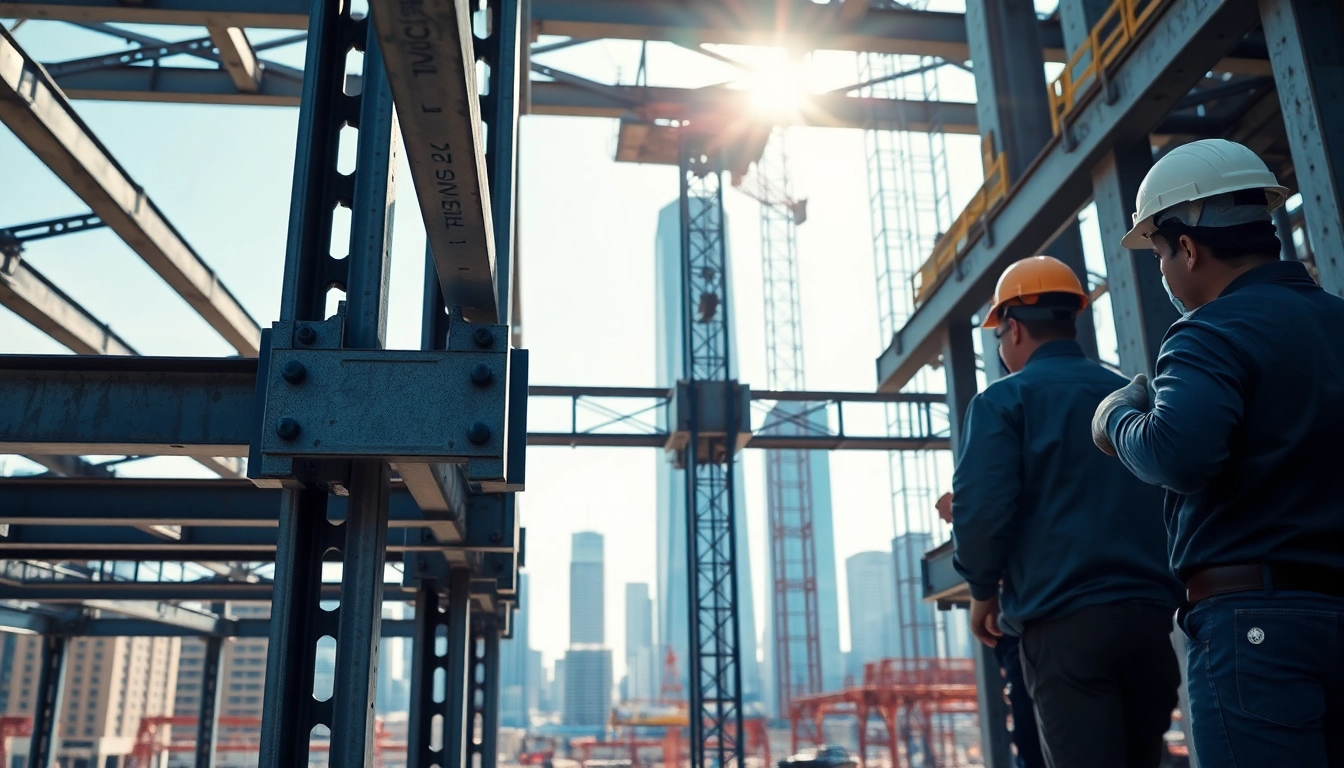
- Crane Usage: Heavy cranes are employed to lift large steel sections into place, ensuring precise position and alignment.
- Temporary Supports: These are often used during assembly to ensure stability before the entire structure is complete.
Quality Control Measures
Ensuring quality in structural steel construction is vital for safety and durability. Key quality control measures include:
- Material Inspection: Conduct regular inspections of raw materials before fabrication to confirm compliance with standards.
- Welding Inspections: Employ non-destructive testing methods to assess the strength and integrity of welds.
- Field Inspections: Frequent checks during assembly can help detect and rectify issues before they escalate.
Advantages of Using Structural Steel
Durability and Strength Benefits
One of the most significant advantages of structural steel construction is its inherent durability. Steel can withstand extreme weather conditions, seismic activities, and other environmental challenges, assuring long-term structural integrity. Steel structures are also resistant to termites and other pests, thereby minimizing maintenance costs.
Cost-Effectiveness in the Long Run
While initial costs for structural steel can be higher than other materials, its durability and lower lifecycle costs make it cost-effective. The speed of construction associated with steel allows projects to be completed faster, saving on labor and overhead costs. Furthermore, the lower maintenance requirements lead to significant savings over the lifespan of the structure.
Environmental Benefits of Steel
Structural steel construction also has notable environmental benefits, including:
- Recyclability: Steel is one of the most recycled materials globally, and new steel often contains a significant percentage of recycled material.
- Energy Efficiency: Steel structures can be designed to be highly energy-efficient, with improved insulation and reduced energy consumption.
- Less Resource Usage: The prefabrication of steel components means less waste generated on the construction site.
Future Trends in Structural Steel Construction
Innovations in Steel Technology
As technology evolves, so too does the field of structural steel construction. Innovations such as 3D printing for steel components and advanced modeling software allow for greater precision and customization in construction. Research is also focused on developing high-performance steel that can withstand even greater loads and extreme conditions.
Sustainable Practices to Implement
The construction industry is increasingly advocating for sustainability. Future trends indicate a growing emphasis on using environmentally friendly materials and practices, such as utilizing low-carbon steel and improving energy efficiency in buildings.
Challenges and Opportunities Ahead
While the future of structural steel construction is promising, it is not without challenges. The growing demand for skilled labor remains a significant hurdle, as does the need for education regarding modern construction techniques. However, these challenges present opportunities for innovation, training, and the growth of the sector.
Frequently Asked Questions
1. What is structural steel construction?
Structural steel construction utilizes steel components to form frameworks for buildings and structures, valued for their strength and versatility, ensuring safety and durability in various applications.
2. How long does structural steel last?
When properly maintained, structural steel buildings can last over 50-100 years, depending on factors like quality materials, weather conditions, and routine maintenance practices.
3. What is the difference between structural steel and regular steel?
Structural steel is engineered for load-bearing applications; it is used primarily for frameworks, while regular steel may serve non-load-bearing functions, such as in roofing or decorative features.
4. What does a structural steel worker do?
Structural steel workers cut, shape, and weld steel components, aligning them to specifications and ensuring proper connections, often using tools like bar benders, lasers, and levels.
5. Why is structural steel preferred in construction?
Structural steel is preferred due to its high strength-to-weight ratio, durability under various conditions, cost-effectiveness over time, and uniformity in manufacturing, enhancing design flexibility.
About the Author