Introduction to TradingView and Its Features
In the fast-paced world of financial trading, tools that facilitate real-time analysis, charting, and market alerts are essential for traders of all skill levels. One such tool that has gained immense popularity is TradingView. Designed to cater to both novice and experienced traders, this platform provides a comprehensive suite of features that enhance market analysis and decision-making. When exploring options, TradingView offers comprehensive insights, customizable options, and sophisticated functionality that can significantly improve trading strategies.
What is TradingView?
TradingView is a web-based platform that combines advanced charting tools, real-time market data, and social networking features for traders. It allows users to analyze various financial instruments, including stocks, forex, cryptocurrencies, and commodities. With its user-friendly interface, TradingView empowers traders to conduct technical analysis efficiently and share insights with a global community.
Key Features of TradingView
- Advanced Charting Tools: Users can create detailed charts using a variety of indicators and drawing tools, enabling thorough technical analysis.
- Market Alerts: The alert system notifies users of price movements or technical conditions, thus reducing the need for constant monitoring.
- Multi-Device Sync: TradingView works seamlessly across desktop, web, and mobile platforms, allowing users to maintain their analysis workflow across devices.
- Social Networking: Traders can connect with others, share insights, and collaborate, enhancing their trading knowledge.
Target Audience and Use Cases
The flexible features of TradingView make it suitable for a wide range of users, from casual investors to professional traders. It caters specifically to those who require detailed market insights and the ability to respond quickly to market changes. As a result, it is widely utilized in various scenarios, such as day trading, investment research, and educational purposes.
Understanding TradingView Chart Analysis
How to Use TradingView's Charting Tools
TradingView’s charting tools are one of its most powerful features. Users can choose from multiple chart types, including line, bar, and candlestick charts. By adjusting time frames—ranging from seconds to months—traders can perform a granular analysis of price movements. Integrating technical indicators like moving averages, Bollinger Bands, or Fibonacci retracement lets traders derive insights into market trends and potential entry and exit points.
Common Technical Indicators and Their Applications
Understanding how to effectively use technical indicators is crucial for successful trading. Some of the most widely used indicators include:
- Moving Averages: Identifies trends by smoothing out price data over a specific period.
- Relative Strength Index (RSI): Measures the speed and change of price movements to identify overbought or oversold conditions.
- MACD: A momentum indicator that shows the relationship between two moving averages of a security's price.
These indicators can help traders make informed decisions based on historical price patterns and current market conditions.
Multi-Chart Layouts and Their Advantages
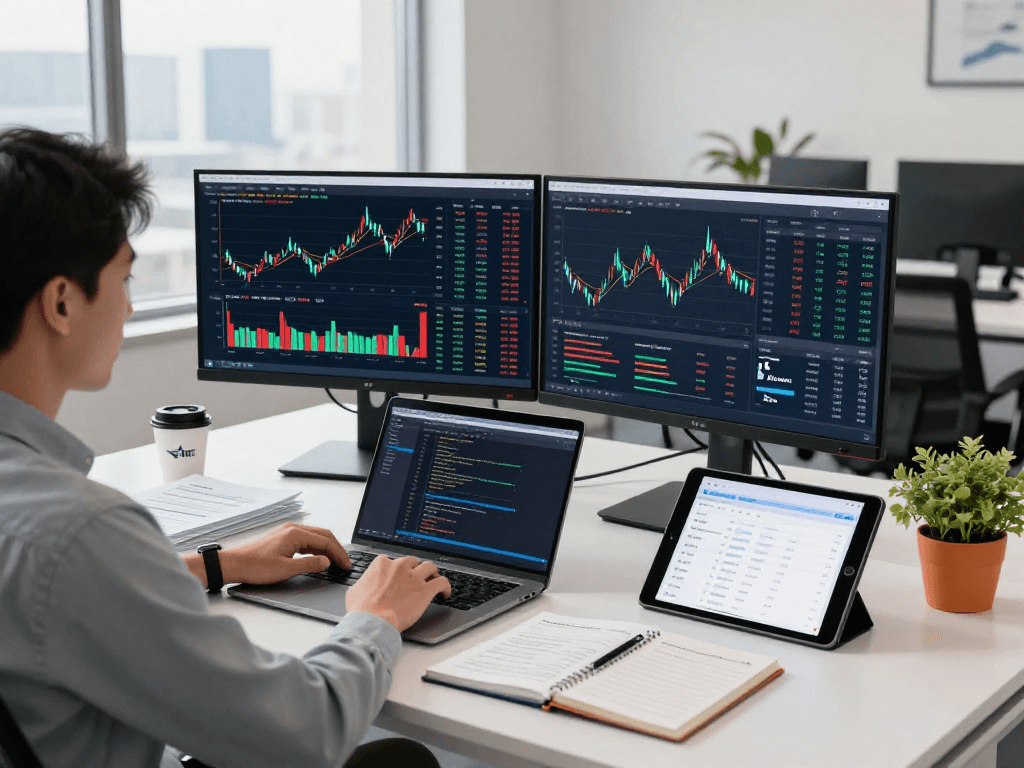
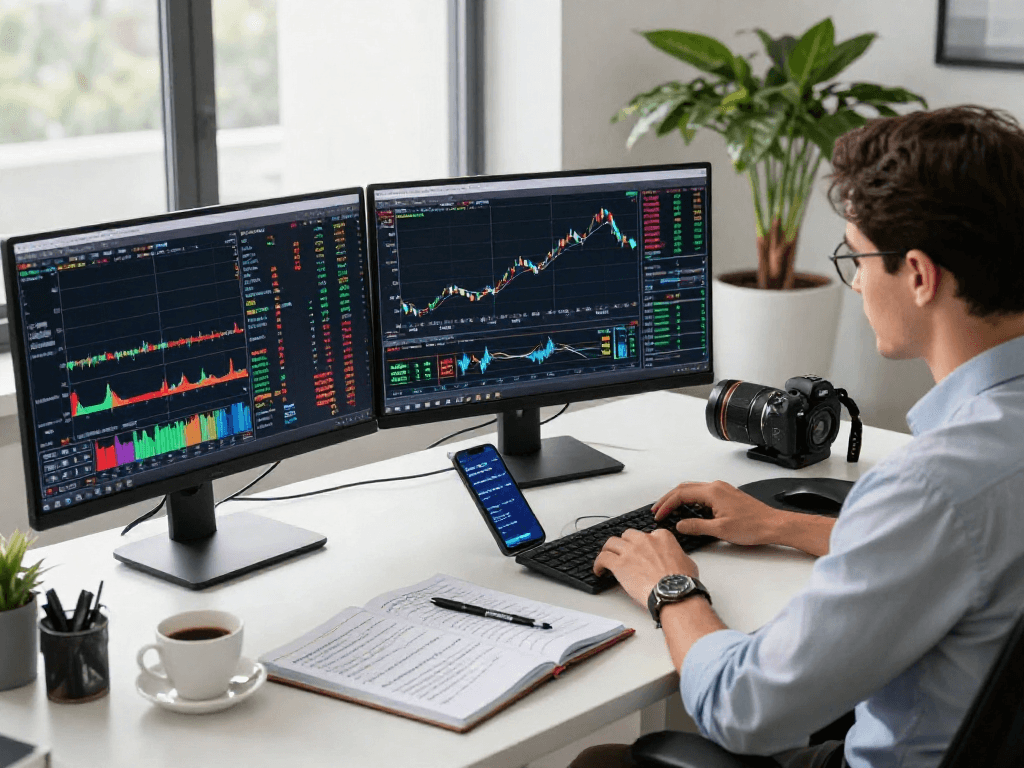
TradingView excels in allowing users to create multi-chart layouts. This function is particularly beneficial for traders who monitor multiple securities or analyze various time frames simultaneously. With the ability to position different charts on one screen, traders can quickly compare performance and make swift adjustments to their strategies.
The Role of Alerts in Trading
Setting Up Price Alerts with TradingView
TradingView's alert system is designed to keep traders informed without the need for constant manual monitoring. Users can easily set up price alerts at key levels or for specific technical conditions. When an alert is triggered, notifications can be sent via email or mobile push notification, enabling traders to focus on analysis rather than on watching price movements.
Types of Alerts: Price vs. Condition
There are two primary types of alerts on TradingView: price alerts and condition alerts. Price alerts notify users when a security's price crosses a predefined threshold, while condition alerts are more complex, triggering based on a combination of price movements and technical indicators. This versatility allows traders to tailor their alerting strategies to match their specific trading styles.
Best Practices for Alert Management
To maximize the effectiveness of alerts, it's essential to establish clear criteria that guide their setup. Here are some best practices:
- Be specific: Define precise price points or conditions that matter to your trading strategy.
- Avoid clutter: Limit the number of alerts to prevent being overwhelmed and ensure important notifications stand out.
- Regularly review: Periodically assess the performance of your alerts and adjust setups based on changing market conditions.
Cross-Device Functionality and User Experience
Accessing TradingView on Different Platforms
With its cross-device functionality, TradingView can be accessed on various platforms, including Windows, macOS, Linux, iOS, and Android. This versatility allows users to conduct market analysis from virtually anywhere, whether on desktop computers, tablets, or smartphones.
Synchronizing Work Across Devices
One of TradingView's standout features is the ability to maintain synchronized work across devices. Changes made on one device are instantly reflected across all others, ensuring a seamless workflow. This is particularly useful when transitioning from desktop analysis to mobile monitoring while on the go.
Targeting Mobile Users: Benefits and Limitations
The accessibility of TradingView on mobile devices provides significant advantages for traders who need to stay informed while away from their desktops. However, it is essential to note that while mobile applications offer many functionalities, some advanced features may be limited compared to the web or desktop versions, which are optimized for comprehensive analysis tasks.
Pricing, Plans, and Future Trends
Available Subscription Plans and Features
TradingView offers various subscription plans, each tailored to different user needs. The free tier provides essential tools and limited features, while the paid subscriptions unlock advanced tools, additional indicators, and enhanced customer support. This tiered pricing structure ensures that both casual traders and serious professionals can find a plan that suits their requirements.
Comparing Free vs. Paid Accounts
When considering whether to use TradingView's free or paid account, it's crucial to evaluate what features align with your trading goals. Free accounts are ideal for those starting, providing basic charting tools and limited alerts, whereas paid accounts offer extensive functionalities, including exclusive indicators, advanced charting options, and reduced advertisement visibility.
Future of TradingView: Trends to Watch in 2026
As we look towards 2026, TradingView is anticipated to introduce further innovations in data analytics, machine learning-based trading recommendations, and improved user experience. Staying ahead of technological advancements will be vital for traders aiming to leverage TradingView’s capabilities completely.
What are the system requirements for TradingView?
To effectively use TradingView, users require a modern web browser, such as Chrome, Firefox, Safari, or Edge. For the best experience, it's recommended to have a stable internet connection, especially when engaging in real-time market analysis and streaming data.
Can I use TradingView without a desktop app?
Yes, TradingView is designed to function fully via web browsers, meaning that users can access all its features without the need for a desktop application. This flexibility enables users to trade and analyze markets from any device with internet access.
What makes TradingView suitable for different market participants?
TradingView caters to various market participants due to its versatile toolset, accommodating a spectrum of trading styles. From day traders requiring real-time data analysis to long-term investors seeking comprehensive charting capabilities, TradingView's features are designed to meet diverse needs effectively.
How can I effectively utilize TradingView for strategy development?
To make the most out of TradingView for strategy development, users should take advantage of its backtesting features, allowing them to test strategies against historical data. Furthermore, leveraging the platform's community features to exchange ideas and strategies can provide valuable insights into potential market opportunities.
What kind of support does TradingView provide for new users?
TradingView offers a wealth of resources for new users. From an extensive help center and user forums to educational videos and community webinars, newcomers can quickly familiarize themselves with the platform and improve their trading skills effectively.