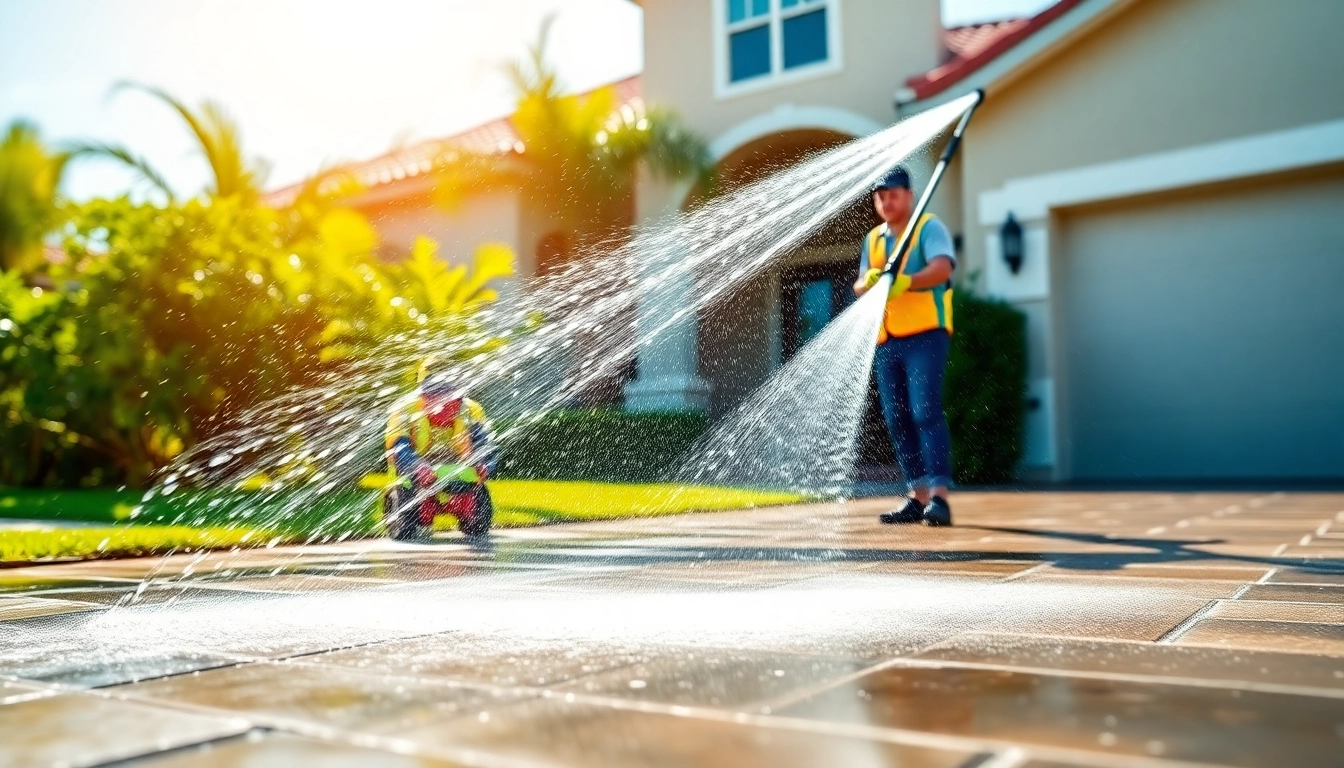
Understanding Pressure Washing: What You Need to Know
Pressure washing is more than just a cleaning service; it's an essential part of property maintenance that enhances curb appeal, protects property values, and extends the lifespan of your exterior surfaces. In Kissimmee and the greater Orlando area, investing in professional pressure wash services can significantly transform the appearance and longevity of your home or business. With a myriad of benefits, understanding the ins and outs of pressure washing can empower you to make informed decisions regarding your exterior cleaning needs.
What is Pressure Washing and Its Benefits?
At its core, pressure washing involves using high-pressure water spray to remove dirt, grime, mold, and other unwanted substances from surfaces. This process can rejuvenate various areas, including driveways, patios, decks, roofs, and siding. The benefits are multifaceted:
- Enhanced Curb Appeal: A clean exterior significantly boosts the visual appeal of your property, making it more inviting.
- Preventative Maintenance: Regular cleaning prevents long-term damage from harmful elements like mold and algae, potentially saving you money on repairs.
- Increased Property Value: A well-maintained property can fetch a higher market price.
- Health Benefits: Removing allergens and pollutants helps improve the air quality around your home.
Common Misconceptions About Pressure Wash Services
Despite its growing popularity, several misconceptions about pressure washing persist:
- It's Just for Aesthetic Purposes: While cleaning is a primary reason, pressure washing also serves to protect surfaces and extend their lifespan.
- Every Surface Can Be Pressure Washed: Not all surfaces can withstand high water pressure; softer materials may require alternative cleaning methods.
- It's a Simple DIY Task: While you can rent equipment, without expertise, you risk damaging your property.
Safety Considerations for Pressure Washing at Home
Safety should always be a priority when pressure washing. Here are several key considerations:
- Wear appropriate protective gear, including safety goggles and gloves.
- Avoid using high pressure on delicate surfaces such as painted areas, as it may cause chips or peeling.
- Ensure that electrical outlets are covered to prevent water exposure.
Choosing the Right Pressure Wash Equipment
When considering DIY pressure washing, selecting the right equipment is crucial. There are two main types of pressure washers: gas and electric. Understanding their differences can improve your cleaning results and experience.
Gas vs. Electric Pressure Washers: Which Is Best?
Gas-powered pressure washers typically offer higher PSI (pounds per square inch) ratings, making them ideal for tougher jobs. Conversely, electric pressure washers are quieter, easier to maintain, and lighter, suited for smaller jobs around the home. Your choice should be guided by the extent of cleaning required:
- For large surfaces or extensive grime: Opt for gas pressure washers.
- For small residential tasks: Electric models can suffice.
Essential Accessories for a Successful Pressure Wash Job
To maximize the efficiency of your pressure washing, consider the following accessories:
- Nozzle Attachments: Different nozzles create varied spray patterns, suitable for specific tasks.
- Surface Cleaners: These tools allow for wider coverage, making the job quicker and more efficient.
- Extension Wands: For hard-to-reach areas, extension wands can make your job easier.
DIY vs. Professional Pressure Washing: When to Hire
While some homeowners may be inclined to tackle pressure washing themselves, there are scenarios when hiring a professional is the better choice:
- Complex Jobs: For large commercial properties or intricate structures, professionals have the training and equipment to do the job safely and effectively.
- Time Constraints: If you’re pressed for time, hiring experts can save you hours of effort.
- Potential Damage: Professionals know how to handle different surfaces safely, reducing the risk of causing damage.
Pressure Washing Techniques for Different Surfaces
Different surfaces require specific pressure washing techniques to ensure effective cleaning without damage. Understanding these methods is key to achieving optimal results.
Effective Methods for Cleaning Driveways and Patios
Driveways and patios commonly accumulate grease and dirt. The best approach includes:
- Applying a degreaser specifically formulated for concrete.
- Using a rotary nozzle for even pressure and coverage.
- Following up with a thorough rinse to ensure no residue remains.
How to Safely Pressure Wash Roofs Without Damage
Roof cleaning is critical for maintaining its integrity. Soft washing is the preferred method:
- Mix a gentle cleaning solution to eliminate algae and mold without harming shingles.
- Use low pressure to avoid damaging the roof material.
- Always work from the top down to ensure thorough cleaning.
Special Considerations for Commercial Pressure Washing
Commercial properties often require a different approach due to their size and the materials involved. Here’s what to consider:
- Utilize industrial-grade equipment to handle larger areas effectively.
- Focus on high-traffic areas first to maintain a clean and professional appearance.
- Consider scheduling regular cleanings to prevent buildup.
Environmental Impact of Pressure Washing Services
With growing concerns about environmental sustainability, understanding the ecological effects of pressure washing is essential. Implementing green practices can enhance your business's reputation while protecting the planet.
Eco-Friendly Cleaning Solutions: What to Use
When pressure washing, opting for biodegradable and non-toxic cleaning agents preserves the environment while still delivering powerful cleaning results.
Water Reclamation in Pressure Washing: Best Practices
Water reclamation involves collecting and reusing water used in pressure washing, minimizing waste. Here are some best practices:
- Use systems that capture runoff and filter contaminants.
- Incorporate high-efficiency nozzles that reduce water output.
Minimizing Water Waste During Pressure Washing
Being mindful of water use is critical. Strategies include:
- Working during cooler hours to reduce evaporation rates.
- Employing water-saving techniques and devices.
Future Trends in Pressure Washing for 2025 and Beyond
The pressure washing industry is rapidly evolving with new technologies and techniques. Staying informed about future trends allows businesses and homeowners to remain competitive and effective.
Innovative Technologies Transforming Pressure Washing
Advancements such as autonomous pressure washing robots and eco-friendly cleaning solutions are becoming more common, providing efficient and effective cleaning without compromising quality.
How Customer Expectations Are Shifting in the Cleaning Industry
Today’s consumers demand high quality and environmentally friendly services. Meeting these expectations involves not only using better products but also providing exceptional customer service.
Preparing Your Business for the Next Generation of Pressure Washing
To stay ahead, businesses should invest in training staff on new technologies and sustainability practices while also leveraging customer feedback to refine service offerings.