Understanding Event Videography
Definition and Purpose of Event Videography
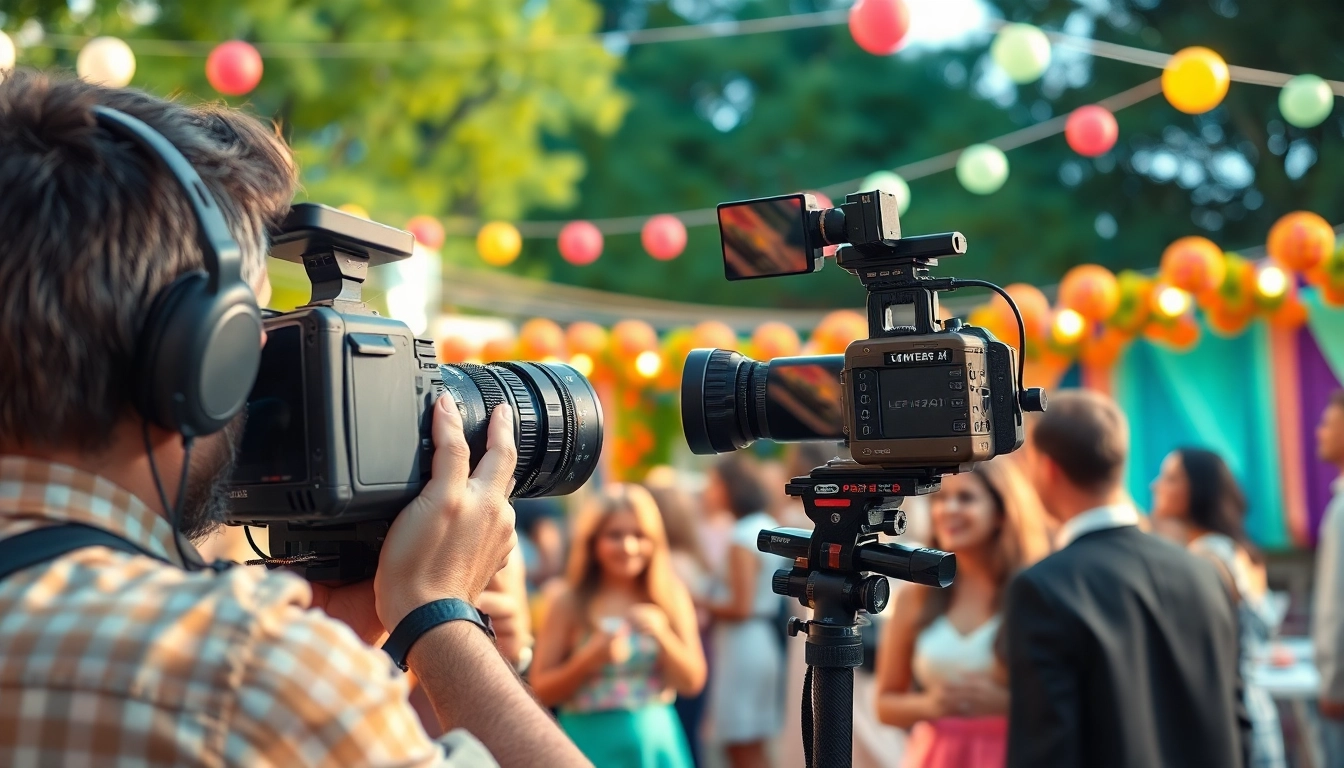
Event videography is the art and process of capturing live events through video. This includes a wide range of occasions from corporate gatherings, conferences, and trade shows to private celebrations such as weddings, anniversaries, and parties. The primary purpose of event videography is to document and preserve the essence of these events, allowing individuals and organizations to relive special moments or advertise their brand through visual storytelling. The emotional impact of seeing memories unfold through video makes it a vital practice for both personal and professional events. Choosing event videography for your occasion can enhance its significance much beyond what photographs alone can achieve.
Key Techniques for Effective Videography
Several core techniques are essential for effective event videography. Firstly, understanding composition allows videographers to tell a story visually. This encompasses the rule of thirds, balance, and framing to ensure that scenes are engaging. Secondly, mastering movement is crucial. Smooth camera pans and tracking shots can enhance storytelling, making the viewer feel as if they are part of the event. Additionally, lighting plays a vital role. Proper use of natural and artificial light can significantly affect the final product. Lastly, audio quality is often overlooked; however, clear sound recording is essential to convey emotions accurately and maintain engagement.
Why Event Videography Matters
In a digital age dominated by visual content, event videography serves multiple critical purposes. It not only captures and preserves important milestones but also creates promotional material that can engage audiences long after the event has concluded. For businesses, event videography can serve as an effective tool for marketing, showcasing company culture, and demonstrating brand vibrancy. For personal occasions, families can benefit from high-quality videos to cherish beautifully crafted memories for generations. The ability to rewatch these videos can evoke emotions and remind people of the connections shared, making event videography a powerful medium.
Planning Your Event Videography Project
Setting Goals and Objectives
Before diving into the technical aspects of event videography, it’s essential to set clear goals and objectives for the project. Understanding what you aim to achieve with your video will guide decisions throughout the process. For corporate events, objectives might include showcasing processes, generating leads, or enhancing branding efforts. For personal events, the goals could range from capturing family milestones to creating a heartfelt gift. Defining these goals upfront will assist in shaping the direction of your videography efforts, helping you stay focused and ensuring the final product aligns with your initial vision.
Creating a Shot List and Schedule
A critical component of successful event videography is the creation of a comprehensive shot list and schedule. This involves detailing every important moment you want to capture, from key speeches and performances to candid interactions among guests. A well-structured schedule reflects the event timeline, helping to avoid missed opportunities and ensuring that nothing significant is left out. Including contingency plans for unexpected situations can also be beneficial, ensuring that you’re prepared for anything that might arise during the event.
Budgeting for Event Videography
Budgeting is an integral part of planning for event videography. Analyze all aspects, including location, duration, equipment, staffing, and post-production costs. Each element directly affects the quality and comprehensiveness of the video. It’s prudent to allocate a percentage of the total budget specifically for unexpected costs, which may arise during the production process. Investing appropriately in skilled videographers ensures a higher-quality output, which can translate into a more impactful video that meets your established objectives.
Equipment Essentials for Event Videography
Cameras and Lenses for Optimal Results
The selection of cameras and lenses plays a pivotal role in achieving the optimal results needed for event videography. A sturdy DSLR or mirrorless camera is often preferred due to its versatility and high-quality video capabilities. Furthermore, selecting the right lenses can enhance various aspects of videographic storytelling. Wide-angle lenses are helpful for capturing expansive environments or large gatherings, while prime lenses, known for their sharp focus and depth-of-field, are excellent for emotional close-ups. The ability to switch quickly between lenses allows the videographer to adapt to different shooting scenarios seamlessly.
Audio Equipment for Clear Sound Recording
Audio is a crucial aspect that directly affects the viewer's experience in video content. Without clear sound, even the most visually stunning piece can fall flat. Investing in high-quality microphones is essential; shotgun mics and lavalier mics are popular choices depending on the event type. Additionally, utilizing audio recorders can help capture sound separately from the camera, leading to better quality. Always conducting audio tests prior to the event ensures that any issues can be addressed before the live recording begins.
Lighting Options for Various Settings
Effective lighting can dramatically improve the quality of videography. Understanding the type of lighting required for different environments is crucial. Natural light is often ideal for outdoor events, but supplemental lighting may be necessary for poorly lit venues. Portable LED lights and diffusers can provide the flexibility needed to adapt to varying illumination conditions. Moreover, knowing how to use shadows creatively can add a dynamic aspect to the final video, greatly enhancing its aesthetic value.
Post-Production Techniques in Event Videography
Editing Process: Tips and Tools
The editing process is where all the hard work of capturing an event transforms into a cohesive narrative. Selecting the right editing software—such as Adobe Premiere Pro, Final Cut Pro, or DaVinci Resolve—can greatly influence the editing experience. Organizing footage into folders and creating a rough cut before refining can facilitate a smoother editing workflow. Consistently reviewing the flow and pacing of the video ensures that the essentials are prioritized while maintaining engagement throughout the timeline.
Color Grading to Enhance Visuals
Color grading is another vital component of post-production that adds a polished, professional finish to videography. This technique can affect the mood, depth, and storytelling of the footage. Applying different color grading presets can significantly alter the viewer's perception and emotional connection to the video. Understanding the fundamentals of color theory and how to manipulate hues, saturation, and contrasts to create an immersive viewing experience is beneficial for any event videographer.
Incorporating Music and Sound Effects
Music and sound effects can elevate video content by enhancing emotional storytelling. Selecting appropriate background music that complements the event’s theme is crucial; it should not overpower the dialogue or sound but enrich the overall atmosphere. Additionally, integrating sound effects can help create a more immersive experience by drawing viewers into the action. Utilizing sound libraries to source licensed music and effects enables compliance with copyright laws, ensuring that the final product can be shared without legal concerns.
Marketing Your Event Videography Services
Building a Portfolio That Attracts Clients
To establish credibility and attract clients in the competitive world of event videography, having a polished and diverse portfolio is essential. Include excerpt highlights from various projects, showcasing your expertise across different event types. Testimonials from satisfied clients can also add weight to your portfolio, providing social proof of your skills. Ensuring that your portfolio is easily accessible—either through a personal website or videography platform—will also help you reach a broader audience.
Leveraging Social Media for Visibility
Social media serves as an invaluable tool for promoting videography services. Platforms like Instagram, Facebook, and YouTube are ideal for sharing snippets of your work, showcasing highlights from events, and engaging with potential clients. Creating targeted advertisements can further enhance visibility and attract inquiries. By maintaining an active presence and engaging with followers, you can build a community of loyal clients and referrals.
Networking with Event Planners and Vendors
Building relationships with event planners and vendors can significantly enhance your exposure in the event videography industry. Attending industry events, trade shows, and networking functions allows for face-to-face connections with key individuals who can refer clients to you. Offering collaboration opportunities and exhibiting your work can create mutually beneficial partnerships. Strong networks often lead to referrals and repeat business, directly contributing to a successful videography career.