Understanding Custom Steel Fabrication
What is Custom Steel Fabrication?
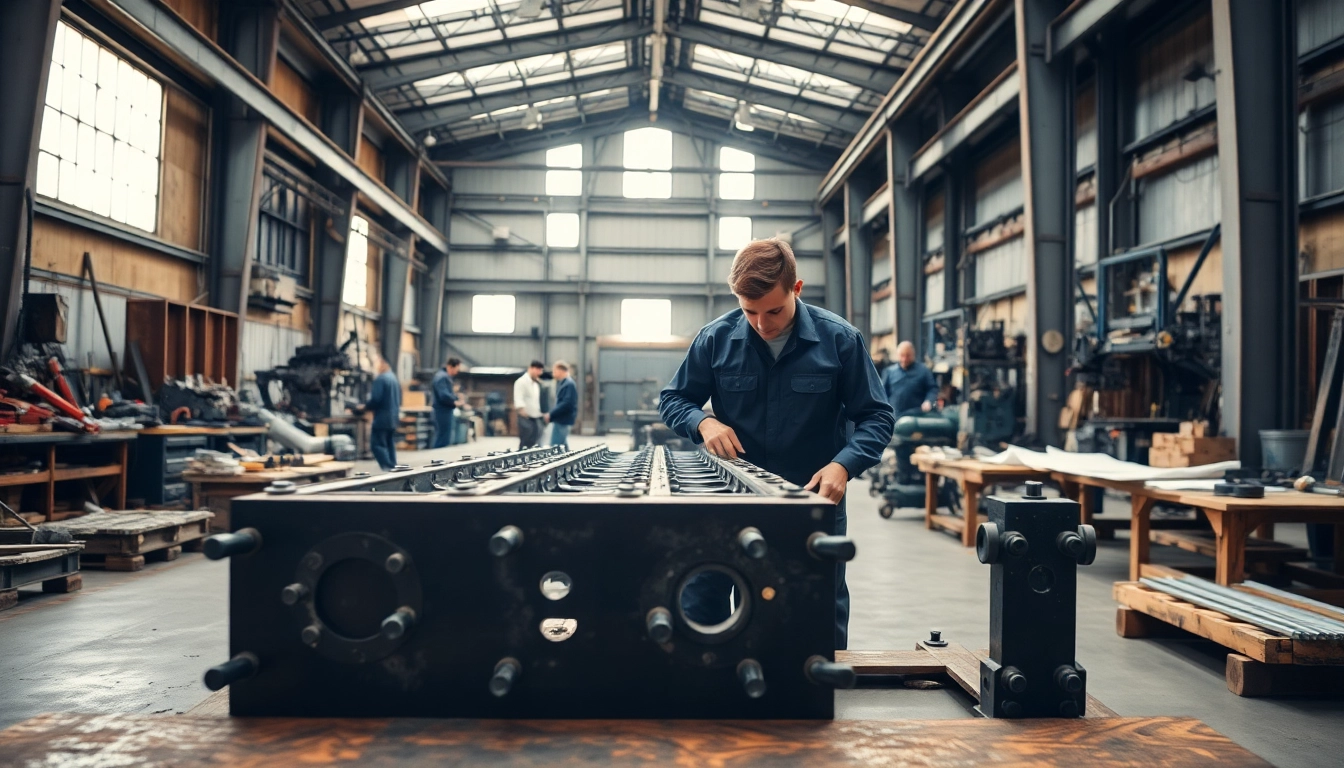
Custom steel fabrication refers to the process of creating steel structures, parts, or components tailored to specific specifications and designs. This highly specialized process involves transforming raw steel into usable forms for various applications, ranging from structural frameworks in construction to intricate components in machinery. Unlike off-the-shelf steel products, custom fabrication allows for unique designs that fit precise operational needs.
Importance of Custom Steel Fabrication in Modern Industry
In today's industrial landscape, custom steel fabrication plays a pivotal role across various sectors, including construction, automotive, aerospace, and manufacturing. As industries strive for sustainability, efficiency, and innovation, the ability to customize steel components is essential. Custom fabrication supports advanced engineering solutions, helps optimize resource utilization, and fosters flexibility in design, enabling businesses to respond quickly to market demands and technological advancements.
Key Processes in Custom Steel Fabrication
The key processes involved in custom steel fabrication typically include:
- Cutting: This initial step involves cutting raw steel sheets or plates to the required dimensions using methods such as laser cutting, plasma cutting, or saw cutting.
- Forming: Following cutting, steel components are shaped using techniques like bending, rolling, or stamping to achieve the desired form.
- Machining: Precision components may require additional machining for fine details, such as threading or drilling holes.
- Joining: This process brings together separate parts through welding, brazing, or fastening techniques, ensuring structural integrity.
- Finishing: Finally, finishes like painting, galvanizing, or powder coating are applied to enhance appearance and prevent corrosion.
Materials Used in Custom Steel Fabrication
Types of Steel Suitable for Custom Fabrication
Several types of steel can be utilized in custom fabrication, with each type offering unique properties suited for specific applications. Common materials include:
- Carbon Steel: Known for its strength and versatility, carbon steel is commonly used in structural applications and manufacturing.
- Stainless Steel: Resistant to corrosion and staining, stainless steel is typically used in food processing, chemical processing, and medical equipment.
- Alloy Steel: Alloy steels are enriched with other elements, providing enhanced mechanical properties, making them ideal for high-stress applications.
- Tool Steel: This steel type is engineered for durability and resistance to abrasion, perfect for manufacturing tools and dies.
Advantages of Using Quality Materials
Utilizing high-quality materials in custom steel fabrication yields numerous advantages:
- Durability: High-quality steel is more resilient to wear and deformation, extending the lifespan of fabricated components.
- Safety: Materials with superior mechanical properties reduce the risk of failure, ensuring safety in critical applications.
- Performance: Quality materials contribute to optimal performance, especially in environments demanding high precision and reliability.
Environmental Considerations in Material Selection
As industries become increasingly eco-conscious, the choice of materials in custom steel fabrication also takes environmental impacts into account. Sustainable practices include:
- Recycled Steel: Utilizing recycled steel reduces the environmental footprint, as it requires less energy to produce than new steel.
- Low-Emission Manufacturing: Selecting materials sourced from manufacturers committed to sustainable practices minimizes carbon emissions associated with production.
- Lifecycle Analysis: Considering the entire lifecycle of materials— from sourcing to disposal— helps identify the best options for reducing environmental impact.
Techniques in Custom Steel Fabrication
Welding Methods for Custom Steel Fabrication
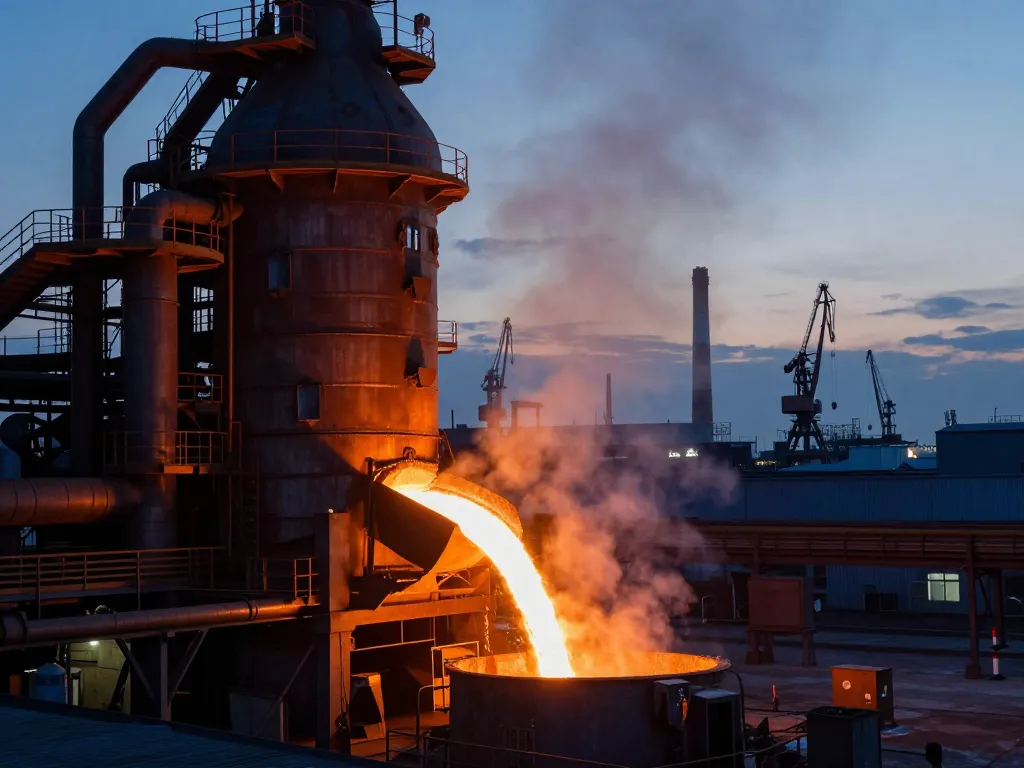
Welding is a critical process in custom steel fabrication, enabling strong joints that withstand operational stresses. Various welding techniques are employed, including:
- MIG Welding: This process uses a continuous wire feed as an electrode, ideal for thin materials due to its speed and ease of use.
- TIG Welding: Known for producing high-quality and precise welds, TIG welding is often used in applications needing intricate details, such as in stainless steel fabrication.
- Arc Welding: Utilizing an electric arc to melt the base metal, this method is versatile for various thicknesses and types of steel.
- Spot Welding: Primarily used for joining sheet metal, this fast process is common in the automotive industry.
CNC Machining in Custom Steel Fabrication
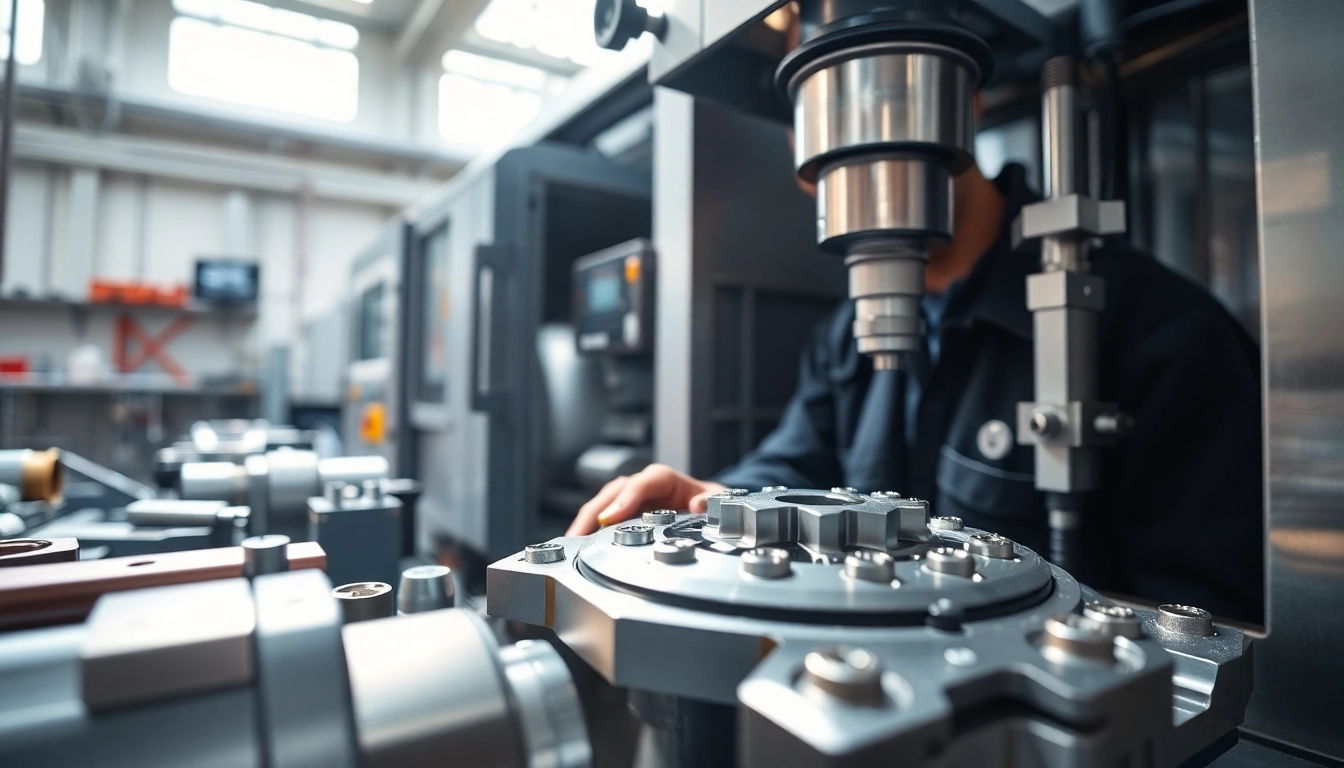
Computer Numerical Control (CNC) machining has revolutionized custom steel fabrication by providing precision and efficiency. Key benefits of CNC machining include:
- Increased Accuracy: CNC machines operate with high precision, ensuring that components meet strict tolerances and design specifications.
- Complex Designs: CNC machining allows for the creation of intricate shapes that would be difficult or impossible to achieve with traditional methods.
- Automation: Automation streamlines production, reducing labor costs and minimizing human error.
Surface Finishing Techniques for Steel Projects
After fabrication, surface finishing enhances the performance and aesthetics of steel products. Common techniques include:
- Painting: A protective coat that can improve corrosion resistance and allow for aesthetic customization.
- Galvanizing: The application of a zinc layer to protect steel from rust and corrosion, often used in outdoor applications.
- Powder Coating: A dry finishing process that results in a harder finish than conventional paint, providing durability and aesthetic appeal.
- Plating: Applying a metallic coating to improve corrosion resistance and enhance appearance.
Challenges and Solutions in Custom Steel Fabrication
Common Challenges Faced in Custom Steel Fabrication
While custom steel fabrication offers numerous benefits, it is not without challenges, including:
- Cost Management: Fabricating custom components can be expensive due to material costs, labor, and specialized equipment.
- Meeting Specifications: Fulfilling precise client requirements is challenging, as small errors can lead to significant losses.
- Quality Control: Maintaining consistent quality throughout the fabrication process requires vigilant oversight and robust quality assurance systems.
Effective Solutions to Improve Production
Addressing these challenges involves implementing various strategies, such as:
- Lean Manufacturing: Adopt lean principles to streamline operations, reduce waste, and improve cost-efficiency.
- Collaboration: Encourage collaboration across teams, from design to production, to ensure everyone is aligned on project goals and specifications.
- Regular Training: Invest in employee training to enhance skills, keep staff updated on the latest technologies, and ensure adherence to best practices.
Adopting Technology in Custom Steel Fabrication
The integration of technology can greatly enhance the effectiveness of custom steel fabrication:
- Automation: Utilizing robotic systems can improve efficiency, reduce the chances of human error, and allow for round-the-clock operations.
- 3D Printing: This innovative technique is gaining popularity for prototyping and creating complex geometries that traditional methods struggle with.
- Software Solutions: Employing advanced software for design, simulation, and management aids in optimizing the fabrication process and predicting potential issues.
Future Trends in Custom Steel Fabrication
Innovations Driving Change in the Industry
The future of custom steel fabrication is rapidly evolving, driven by various innovations:
- BIM (Building Information Modeling): BIM technology enhances project visualization, improves coordination, and facilitates efficient planning, particularly in construction-related fabrication.
- Smart Materials: The development of smart materials that can respond dynamically to changes in their environment is on the rise, promising innovations in various applications.
- Advanced Welding Technologies: Emerging welding techniques such as laser and electron beam welding are providing new capabilities for complex assemblies.
The Role of Automation in Custom Steel Fabrication
Automation's significance cannot be overstated, as it streamlines processes and enhances productivity:
- Increased Output: Automation allows for higher production rates and can operate continuously with minimal human supervision.
- Precision and Consistency: Automated systems produce standardized outputs with little variation, crucial for large-scale manufacturing.
- Safety Improvements: Reducing human intervention in hazardous processes can mitigate risks and enhance workplace safety.
Future Skills Needed for Custom Steel Fabrication Professionals
As the industry evolves, so too does the skill set required for professionals in custom steel fabrication:
- Technical Skills: Proficiency in operating advanced machinery and understanding various fabrication techniques will become increasingly essential.
- Digital Literacy: Familiarity with digital tools and software for design and automation is becoming critical as more companies adopt technology-driven processes.
- Problem-Solving Skills: Professionals will need strong analytical and problem-solving skills to address the complex challenges arising in fabrication processes.