Understanding Structural Steel Construction
Structural steel construction has revolutionized the way we build, allowing for the creation of enduring structures that meet the demands of modern architecture. But what exactly is structural steel? This material, primarily composed of carbon and iron, forms the backbone of countless construction projects, ranging from soaring skyscrapers to robust bridges. Understanding the fundamental aspects of structural steel construction is crucial for architects, engineers, and builders alike.
What is Structural Steel?
Structural steel is a carbon-based metal that adheres to specific industry standards, particularly those set by ASTM International in the United States. It is designed to withstand various forces, making it a preferred choice for constructing high-load-bearing structures. The versatility of structural steel is demonstrated through various shapes, including beams, columns, and girders, that can be formed into a wide array of configurations to meet architectural designs.
Characteristics and Properties
The properties of structural steel make it an ideal material for construction. It boasts high tensile strength, allowing it to handle considerable loads while maintaining relatively low weight—an important consideration for tall buildings and bridges. Additionally, structural steel has good ductility, meaning it can undergo significant deformation before failure. Other notable properties include:
- Corrosion Resistance: Structural steel can be protected through galvanization or coatings, ensuring longevity in various environments.
- Temperature Resistance: While structural steel may weaken at high temperatures, fireproofing measures can be employed to enhance its resilience.
- Recyclability: Steel is one of the most recycled materials worldwide, making it an environmentally friendly choice.
Applications in Modern Architecture
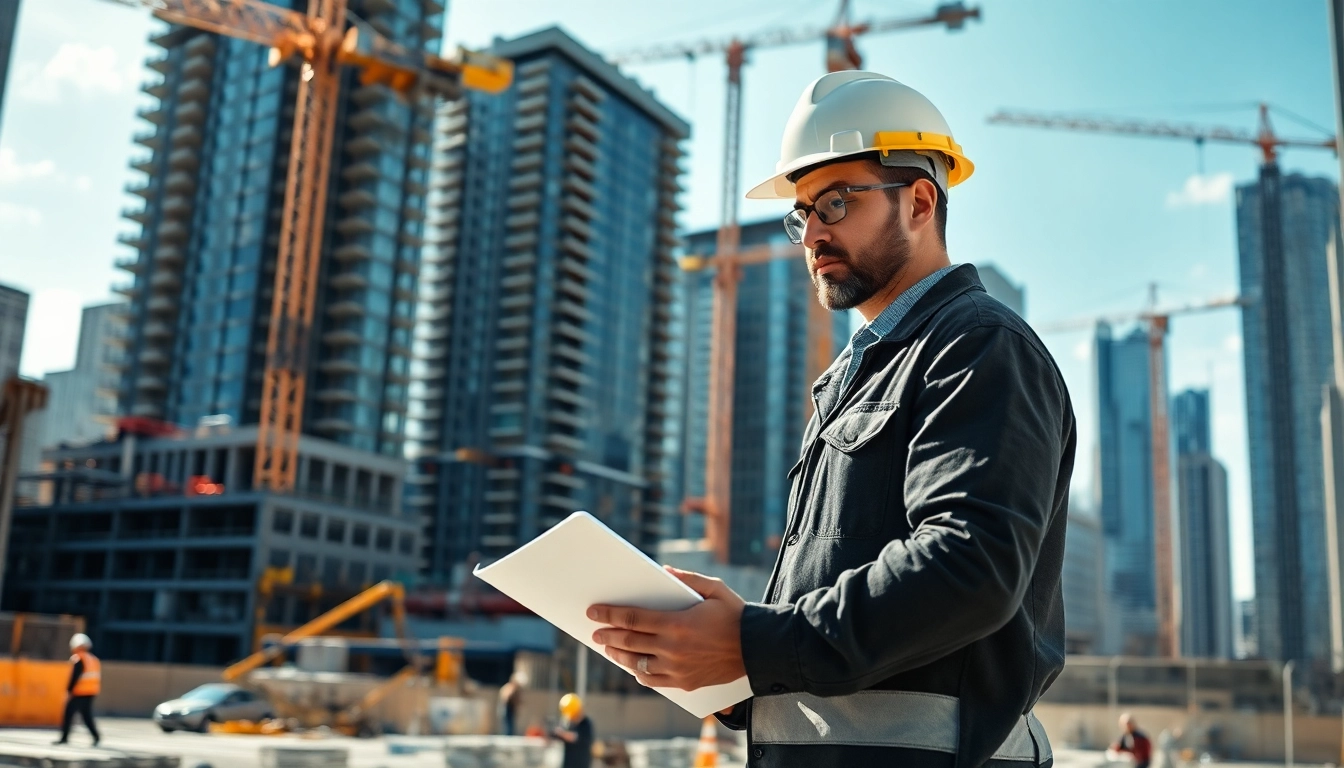
Structural steel is utilized in a vast array of applications across different sectors of construction. Some of the key uses include:
- High-rise Buildings: Steel’s strength allows for taller structures with slimmer profiles, which is vital in urban environments.
- Bridges: The need to span large distances without excessive weight makes structural steel essential for safe and durable bridge design.
- Agricultural Structures: Buildings such as barns and grain silos often rely on steel for resilience against the elements and heavy loads.
- Industrial Facilities: Warehouses and manufacturing plants benefit from the quick assembly and clear spans that structural steel offers.
Advantages of Using Structural Steel
Strength and Durability
The capacity of structural steel to support large weights without excessive deformation is unmatched. Structures built using steel can withstand challenges posed by weather events, seismic activity, and even the test of time. Examples abound, including iconic structures like the Burj Khalifa, where the robust nature of steel contributes not just to the building's height but also to its safety.
Design Flexibility and Modifications
The innate versatility of structural steel allows for greater creative freedom in architectural design. With various shapes, sizes, and connections, architects can explore unconventional designs that ordinary materials cannot sustain. Furthermore, modifications and enhancements can be made during or after construction, adapting to changing needs or aesthetic preferences.
Cost-Effectiveness Over Time
While the initial investment in structural steel may be higher than some alternatives, the long-term savings are considerable. Steel structures require less labor time due to efficient fabrication and on-site assembly. Their longevity reduces the need for repairs and replacements, making them a more cost-effective option over the lifespan of a building.
Structural Steel Construction Methods
Common Fabrication Techniques
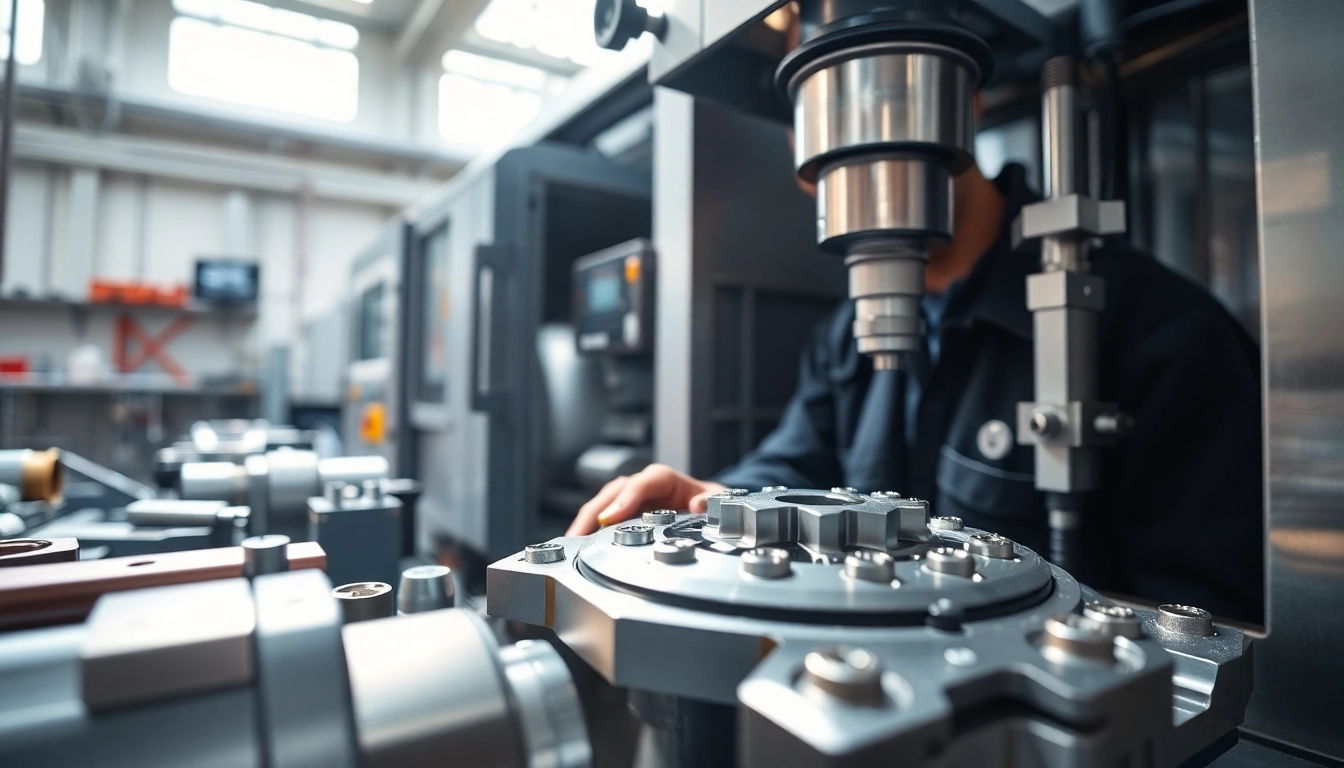
Fabrication of structural steel involves several advanced techniques. Shops produce steel components designed to engineering specifications through processes such as:
- Cutting: Steel sections are cut to size using methods like plasma cutting or laser cutting, ensuring precision.
- Bending: Hot and cold bending processes create the required shapes, whether that may be beams or curved elements.
- Welding: Components are joined together using welds, which, when performed correctly, generate robust connections.
- Coating: Steel is often treated to prevent corrosion and enhance durability in various environments.
Assembly and Erection Processes
The assembly of structural steel on-site requires meticulous planning. The process usually includes:
- Transportation: Delivery of fabricated components must be carefully organized to minimize delays.
- Testing and Inspection: Prior to erecting, components are inspected to mitigate any issues right before assembly.
- Assembly: Cranes and lifts position the steel elements, necessitating skilled workers who follow precise protocols to ensure safety and accuracy.
- Final Connections: Bolting and welding are finalized, with a rigorous verification process to uphold structural integrity.
Safety Protocols and Best Practices
Safety is a paramount concern in structural steel construction. Implementing best practices includes:
- Proper Training: Personnel must be trained in materials handling, assembly, and safety to minimize accidents.
- Use of Safety Gear: Hard hats, harnesses, and other protective equipment must be worn at all times on site.
- Regular Safety Audits: Conducting audits ensures compliance with OSHA standards and identifies potential hazards.
Environmental Impact and Sustainability
Recyclability and Resource Efficiency
One of the standout features of structural steel is its recyclability. Approximately 90% of steel is recycled at the end of its life cycle. This not only conserves natural resources but also minimizes waste. Newer practices in structural steel production focus on reducing energy consumption and waste generation, making it an environmentally responsible choice.
Carbon Footprint Considerations
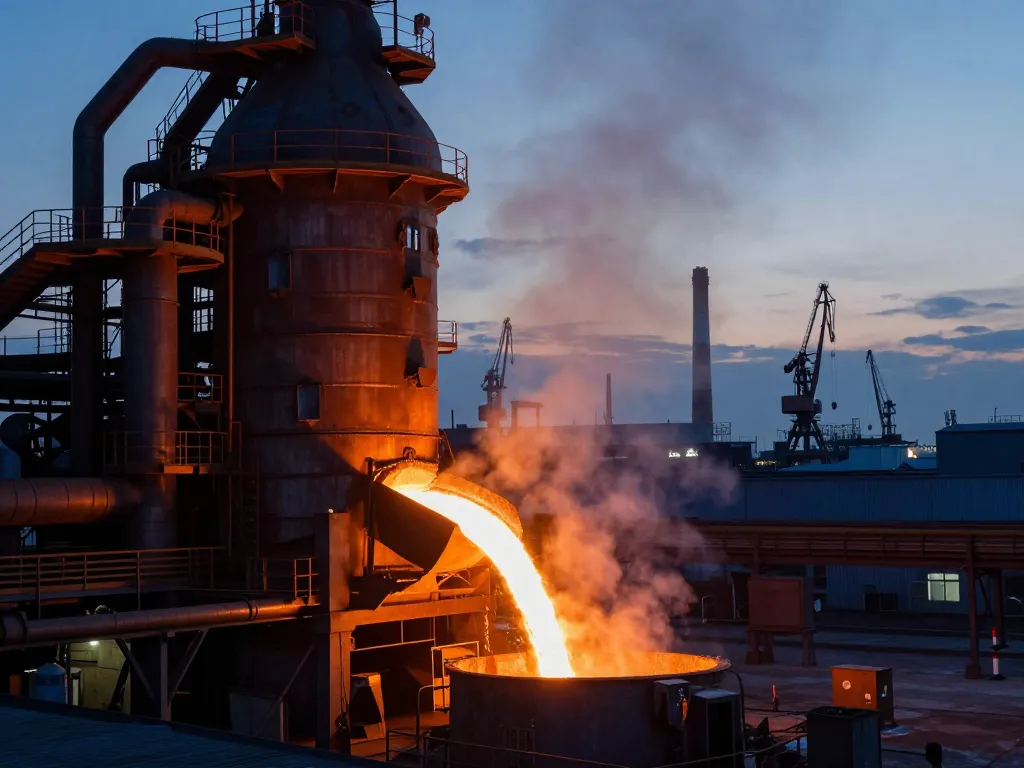
The steel production process contributes to greenhouse gas emissions; however, advancements in technology and the use of electric arc furnaces are helping to lower emissions significantly. The focus now lies on further improving processes and embracing renewable energy sources to mitigate climate impact effectively.
Sustainable Materials in Steel Production
Steel producers are incorporating more sustainable materials into their operations. This includes the use of recycled content and promoting practices that lower the environmental impact during the extraction and manufacturing stages. Large industry players are investing in cleaner, greener technologies, helping the construction sector become more sustainable over time.
The Future of Structural Steel Construction
Innovations and Technology Trends
The future of structural steel is being shaped by new technologies and innovations. From sophisticated design software using Building Information Modeling (BIM) to 3D printing, the industry is rapidly evolving. The automation of processes enhances efficiency and accuracy in building practices, while prefabricated components streamline assembly on-site.
Market Demand and Growth Projections
Global demand for structural steel continues to rise, driven by urbanization and infrastructural growth across emerging economies. The construction sector is rebounding post-pandemic, leading to increased investments in both commercial and residential projects, thereby boosting the structural steel market.
Challenges and Opportunities Ahead
While the outlook for structural steel construction remains optimistic, several challenges exist. Fluctuating steel prices, labor shortages, and regulatory constraints pose potential hurdles. However, they also present opportunities for innovation in supply chain management and enhanced training programs to upskill workers, positioning the industry for a resilient future.