
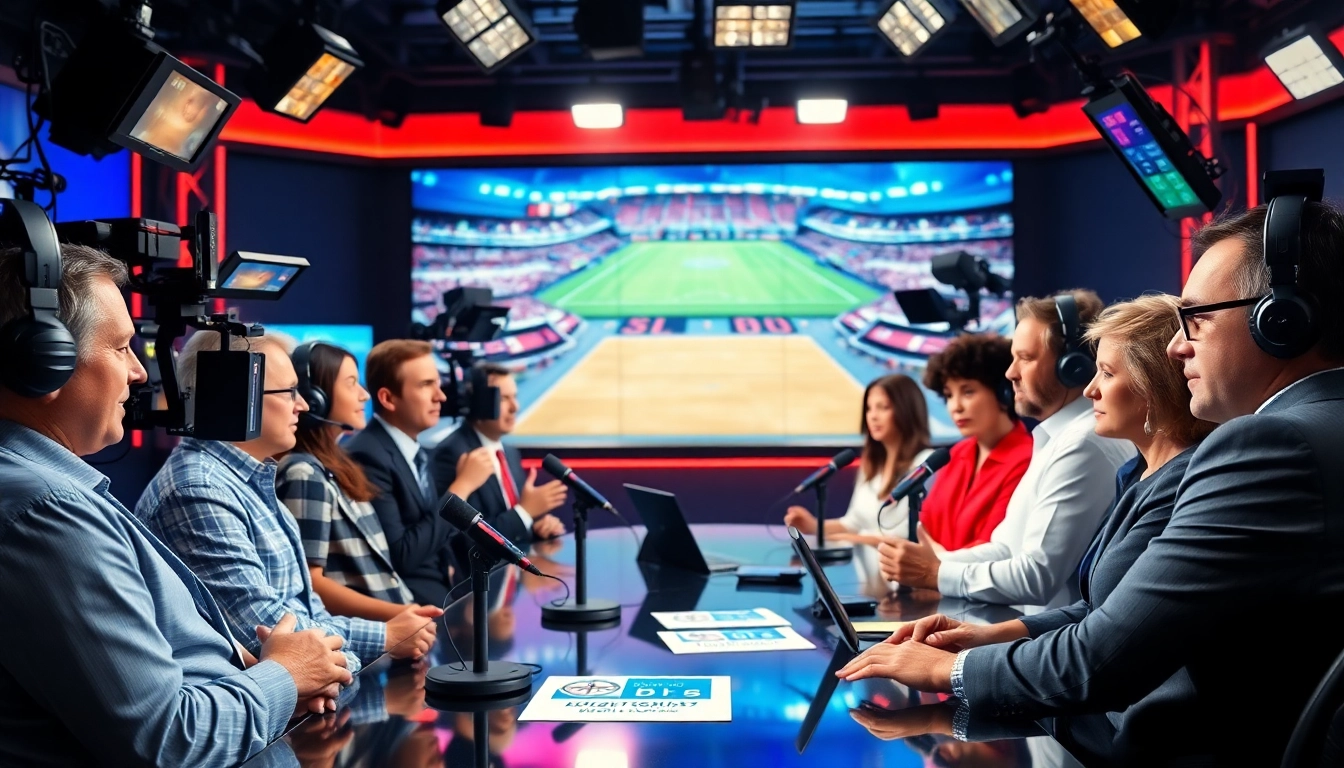
The Fundamentals of Sports Broadcasting
Understanding Sports Broadcasting
Sports broadcasting encompasses the live transmission of sports events via various media outlets, ranging from traditional broadcast television to modern digital platforms. As fans increasingly seek on-demand content, the scope of sports broadcasting has expanded dramatically, embracing streaming services, social media, and mobile applications. The integration of technology has redefined how audiences engage with their favorite sports, creating a dynamic environment that continues to evolve. To grasp the essence of Sports Broadcasting, it’s imperative to understand its history, methodologies, and the technological advancements that facilitate today’s viewer experiences.
Key Roles in Sports Broadcasting
The world of sports broadcasting employs a diverse group of professionals, each contributing unique expertise to ensure the flawless delivery of content. Key roles include:
- Commentators: These individuals provide real-time analysis and color commentary during broadcasts, enhancing the viewers' connection to the game through engaging narratives.
- Producers: Producers oversee the overall production, coordinating between various teams—cameramen, reporters, and technical staff—to ensure a smooth broadcasting flow.
- Reporters: Often found on the sidelines, reporters deliver live updates and conduct interviews, bringing a human interest angle to the sport.
- Technicians: This group operates the technical aspects of the broadcast, including cameras, sound equipment, and live feed management.
Essential Equipment for Sports Broadcasting
The success of sports broadcasts heavily relies on top-notch equipment. Fundamental components include:
- Cameras: High-definition cameras that can capture action from various angles are vital for delivering crystal-clear visuals.
- Switchers: Video switchers allow operators to manage multiple camera feeds and other visual elements for seamless transitions.
- Microphones: High-quality microphones collect sound from players, commentators, and the audience, ensuring an immersive audio experience.
- Broadcast Transmission Gear: Equipment like satellites, fiber optics, and encoders are essential for sending the broadcast signal to viewers.
Techniques for Effective Sports Broadcasting
Storytelling in Sports Broadcasting
Effective sports broadcasting weaves storytelling into the presentation, capturing the drama and emotion of the game. Commentators often use narratives to provide context about players, teams, and historical rivalries, creating a richer viewing experience. Success stories of underdogs, moments of triumph, or adversity resonate with audiences, fostering emotional investment. By showcasing personal stories, broadcasters can elevate the game beyond mere statistics to engage viewers on multiple levels.
Managing Live Broadcasts
Live sports events are inherently unpredictable. Proper preparation and ad-libbing skills are crucial for managing unexpected developments, such as player injuries or game interruptions. Effective communication among the broadcast team ensures that everyone is on the same page, minimizing confusion. Clear contingency plans allow teams to pivot quickly if a situation arises, ensuring that the broadcast continues smoothly despite unforeseen challenges.
Engaging Your Audience
Creating an interactive experience enhances audience engagement significantly. Utilizing social media platforms to provide real-time updates, polls, and viewer questions fosters a sense of community among fans. Broadcasters might leverage fan-submitted questions for player interviews or showcase user-generated content during breaks, further bridging the gap between the broadcast and its viewers. A strong online presence coupled with engaging content serves to enhance loyalty and viewer retention.
Trends Shaping Sports Broadcasting Today
Digital Transformation in Sports Broadcasting
The digital age has revolutionized how sports are consumed, with viewers increasingly preferring streaming services over traditional cable television. This trend has prompted broadcasters to develop platforms that allow for on-demand content, enabling fans to watch games whenever they choose. Furthermore, innovations such as VR and AR are being experimented with to create immersive experiences, giving viewers unique perspectives of live events.
Impact of Social Media on Sports Broadcasting
Social media platforms play a pivotal role in shaping viewer interactions with sports broadcasting. Hashtags and live tweets allow for real-time conversations during events, making viewers feel more involved. Additionally, highlights and clips shared on platforms like Twitter and Instagram expand reach, attracting new viewers who may then tune in to full broadcasts. The synergy between traditional broadcasting and social media creates a multifaceted ecosystem that enhances overall viewer enjoyment.
Emerging Technologies Revolutionizing Sports Broadcasting
Emerging technologies such as AI and machine learning are facilitating enhanced viewership experiences. AI can analyze gameplay to provide deeper insights, while machine learning algorithms can personalize content recommendations for users based on their viewing habits. Innovations like 360-degree cameras and interactive graphics are becoming standard, enriching the reporting and viewing experience. Such advancements position broadcasters not merely as mediators of live events but as creators of holistic viewing environments.
Common Challenges in Sports Broadcasting
Managing On-Air Mistakes
On-air mistakes can occur, whether it’s an error during commentary or a technical glitch. Preparation is essential for mitigating the risk of such issues; however, when they inevitably happen, the key is to maintain composure. Acknowledge the error promptly if necessary, and shift seamlessly to the next segment. Skilled broadcasters can turn mistakes into opportunities for humor or insights, ultimately enhancing their credibility with the audience.
Adapting to Audience Preferences
Viewer preferences are in constant flux, influenced by cultural trends, technological advancements, and shifting demographics. Broadcasters must continually adapt their content strategies by analyzing viewership data to identify patterns and preferences. Implementing flexible programming that incorporates diverse voices and formats allows broadcasters to appeal to a broad audience. Continuous audience feedback collection is also critical for refining these strategies to ensure sustained relevance.
Navigating Broadcast Rights and Regulations
Navigating the complexities of broadcast rights can be challenging, particularly given the array of regulations and licensing agreements worldwide. Broadcasters must ensure that they have the necessary rights to air specific events while also complying with regional and international laws. Establishing strong partnerships with sports leagues and organizations can facilitate clearer negotiations and smoother logistics, alleviating some regulatory burdens.
Measuring Success in Sports Broadcasting
Key Performance Indicators for Sports Broadcasting
Measuring success in sports broadcasting involves a range of key performance indicators (KPIs). Metrics such as viewer ratings, average watch time, and audience growth provide insight into the health of a broadcast. Additionally, revenue generated from advertisements, sponsorships, and subscriptions can help assess financial performance. Broadcasters should regularly analyze these KPIs to refine strategies and adapt to the evolving landscape of sports consumption.
Analyzing Audience Engagement
Beyond raw viewership numbers, understanding audience engagement is crucial. This can be assessed through metrics such as social media interactions, comments, and shares. Surveys and polls can provide qualitative feedback on viewer experiences and preferences. Continuous monitoring of these insights enables broadcasters to tailor their content to meet audience expectations and foster deeper connections.
Feedback and Continuous Improvement
Feedback is a cornerstone of continuous improvement in sports broadcasting. Engaging with fans through direct channels, such as social media and forums, creates an avenue for receiving valuable insights. Incorporating feedback leads to actionable changes that enhance viewer experience and satisfaction. Regular reviews of performance data and audience feedback solidify a feedback loop that drives innovation and responsiveness within the broadcasting team.
Frequently Asked Questions
What is sports broadcasting?
Sports broadcasting refers to the transmission of sports events via television, radio, or digital platforms, providing live commentary, analysis, and updates to audiences.
How do commentators enhance sports broadcasts?
Commentators provide real-time analysis, engaging storytelling, and expert insights that enrich the viewing experience and help audiences understand the game's dynamics.
Why is audience engagement important in sports broadcasting?
Audience engagement fosters a community spirit among fans, encourages interaction, and enhances viewer loyalty, ultimately driving better ratings and revenue for broadcasters.
What role do technology and social media play in modern sports broadcasting?
Technology and social media enable interactive content delivery, real-time updates, and immersive experiences, allowing broadcasters to reach wider audiences and enhance engagement.
How can broadcasters measure success?
Broadcasters can measure success through KPIs such as viewer ratings, audience engagement metrics, revenue from advertisements, and audience feedback, ensuring a continuous improvement strategy.