Understanding the Microwave Oven
The Microwave Oven has revolutionized the way we cook and prepare meals, transforming kitchens across the globe. Its rapid cooking capabilities and straightforward operation make it an essential appliance for modern households. Understanding how a microwave works, the types available, and key features can remarkably enhance your cooking experience and help you choose the right model for your needs.
The Science Behind Microwave Cooking
At the core of microwave cooking lies a fascinating scientific principle: electromagnetic radiation. Unlike conventional ovens that heat from the outside in, microwaves work by emitting microwaves, a form of electromagnetic radiation, that excite water molecules in the food. This agitation generates heat, cooking the food from the inside out. This unique technique not only speeds up cooking times but also retains more nutrients compared to traditional methods.
Microwave ovens typically operate at a frequency of 2.45 GHz, which is particularly effective for agitating water molecules. While you may hear the term "microwaves," it's worth noting that this form of cooking does not involve any harmful radiation. The waves are contained within the cooking chamber, making it safe for you and your family when used correctly.
Common Types of Microwave Oven
When choosing a microwave oven, it's essential to understand the various types available on the market. Each type caters to different cooking styles and needs:
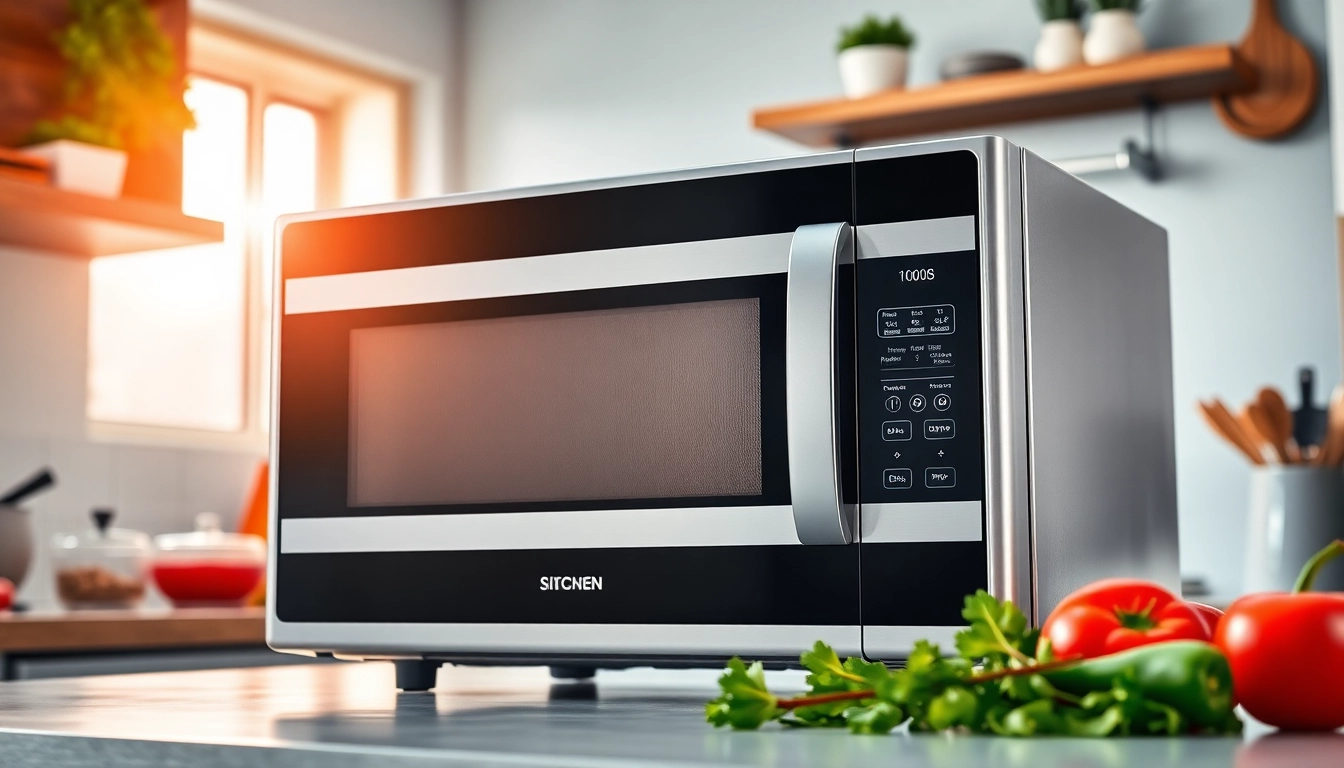
- Countertop Microwave Ovens: These are the most common type and can be placed on any countertop, making them versatile for various kitchen layouts.
- Built-in Microwave Ovens: Designed to fit seamlessly into kitchen cabinetry, these provide a more integrated look and free up countertop space.
- Over-the-Range Microwave Ovens: This dual-purpose appliance serves as a microwave and a range hood, saving kitchen space while providing ventilation.
- Microwave Ovens with Convection: These units use a fan and heating element to circulate hot air, cooking food evenly and giving it a browned finish.
- Smart Microwave Ovens: Equipped with Wi-Fi or Bluetooth connectivity, they allow remote operation and come with preprogrammed recipes accessible via an app.
Key Features to Consider
When selecting a microwave oven, consider the following key features to match your cooking requirements:
- Wattage: Higher wattage typically means faster cooking. Look for models that are at least 700-1000 watts for optimal performance.
- Size and Capacity: Ensure that the oven will fit your kitchen space while also accommodating the types of dishes you plan to cook, from dinner plates to large casserole dishes.
- Cooking Presets: User-friendly preset functions for common dishes such as popcorn, reheating, or baking can significantly ease cooking tasks.
- Turntable: A rotating turntable ensures even cooking by helping distribute microwaves uniformly across the food.
- Control Panel: Consider touchscreen or dial interfaces based on your preference for ease of use and readability.
Choosing the Right Microwave Oven for Your Needs
Choosing the right microwave oven goes beyond just picking a model; it involves assessing your specific needs, kitchen space, and cooking habits. Understanding these factors will enable you to make an informed decision.
Assessing Size and Space
Before making a purchase, it's crucial to assess your kitchen space. Measure the available area—this includes height, width, and depth—making sure to consider ventilation requirements and access for door opening. Additionally, consider the typical size of the dishes you'll be using. A compact countertop model might suffice for smaller meals, while families or avid cooks might prefer a larger built-in or over-the-range option.
Power Levels and Cooking Versatility
Different foods require different cooking techniques. A microwave that offers multiple power levels allows for greater versatility in cooking. For example, you may want to use lower settings to gently defrost meats or heat sauces without boiling. Advanced models may also come with features for steam cooking, grilling, and even baking, making them all-in-one cooking appliances.
Energy Efficiency Considerations
Energy efficiency should play a significant role in your selection process. A model with an Energy Star rating will help you save on utility bills while also being better for the environment. Furthermore, ensure that you are aware of the idle power consumption, which refers to the energy used when the oven is not actively cooking. Look for options that offer eco-friendly modes or standby power features.
Using Your Microwave Oven Effectively
Mastering your microwave oven is not just about understanding its features—it's about using it effectively in daily cooking routines. Below are some practical techniques and tips to maximize your cooking capabilities.
Basic Cooking Techniques
Utilizing your microwave oven correctly can yield excellent results. Start with basic techniques like reheating leftovers in small quantities to preserve moisture. When cooking raw foods, make sure to cover them with a microwave-safe lid or based on the food type, to prevent splattering. Additionally, stirring foods midway through the cooking process can enhance even heat distribution.
Tips for Even Cooking
Achieving even cooking is a challenge due to the nature of microwave energy distribution. To help mitigate cold spots, it is advisable to use round or oval-shaped dishes, as they promote more uniform cooking than square or rectangular ones. Additionally, utilizing semi-transparent lids or vented covers can help create steam without obstruction, ensuring a moist final product.
Managing Cooking Times
Timing is critical when using microwave ovens. To prevent overcooked or undercooked food, start with the recommended cooking times. It's often beneficial to test with a lower cooking time first, and gradually extend it if necessary. Keeping a cooking journal with notes on time adjustments for different types of food can also streamline cooking routines over time.
Advanced Features of Modern Microwave Ovens
Modern microwave ovens are equipped with a variety of advanced features that enhance cooking precision and ease of use. Understanding these options can significantly increase your kitchen capabilities.
Smart Technology in Microwave Ovens
Smart microwave ovens integrate with home automation systems, allowing for remote control via smartphone apps. Through these apps, users can check on cooking progress, access a library of recipes, and even receive notifications when meals are ready. Some models even utilize artificial intelligence to suggest cooking times based on the weight and type of food, providing a whole new level of versatility.
Air Frying and Convection Options
Some microwave ovens come with air frying or convection capabilities that allow you to achieve crispy textures similar to traditional frying methods. With air frying mode, hot air circulates around the food, ensuring a crunchy exterior while retaining moisture inside. This feature is beneficial for those looking to enjoy lower-fat food without sacrificing flavor or texture.
Maintenance and Care for Longevity
Regular maintenance is vital in ensuring that your microwave oven lasts for years. Clean the interior regularly with a damp cloth and mild detergent. Avoid sharp objects that can scratch the surface and always use microwave-safe containers to prevent damage. Pay attention to the door seals and hinges; ensure they are clean and free from food debris, allowing for optimal performance and safety.
Frequently Asked Questions
What can I cook in a Microwave Oven?
Microwave ovens can cook a wide variety of foods, including vegetables, grains, meats, and even baked goods. Utilize microwave recipes for best results.
How do I clean my Microwave Oven?
Use a mixture of mild detergent and water with a soft cloth or sponge. For tough stains, dampen the area and microwave a bowl of water with lemon for steam cleaning.
Can I use metal in my Microwave Oven?
Generally, it’s not advisable to use metal in a microwave, as it can cause sparks and fires. However, some microwave-safe metal utensils may be used depending on the manufacturer guidelines.
How do I choose the right size?
Consider your kitchen space and the size of the dishes you plan to cook. Measure the area and choose a microwave that fits both size and cooking requirements effectively.
Are there health risks using a Microwave Oven?
When used correctly, microwave ovens are safe and do not pose health risks. Ensure proper maintenance, use microwave-safe containers, and avoid metal materials.