Understanding the Basics of Steel Fabrication Shop
What is a Steel Fabrication Shop?
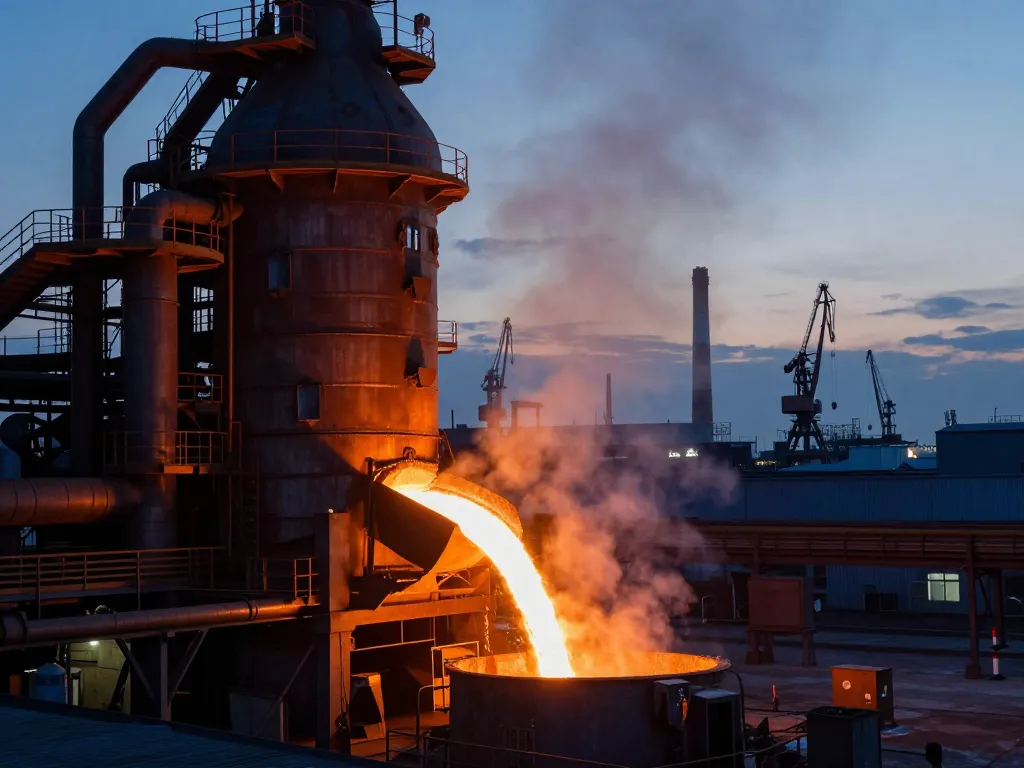
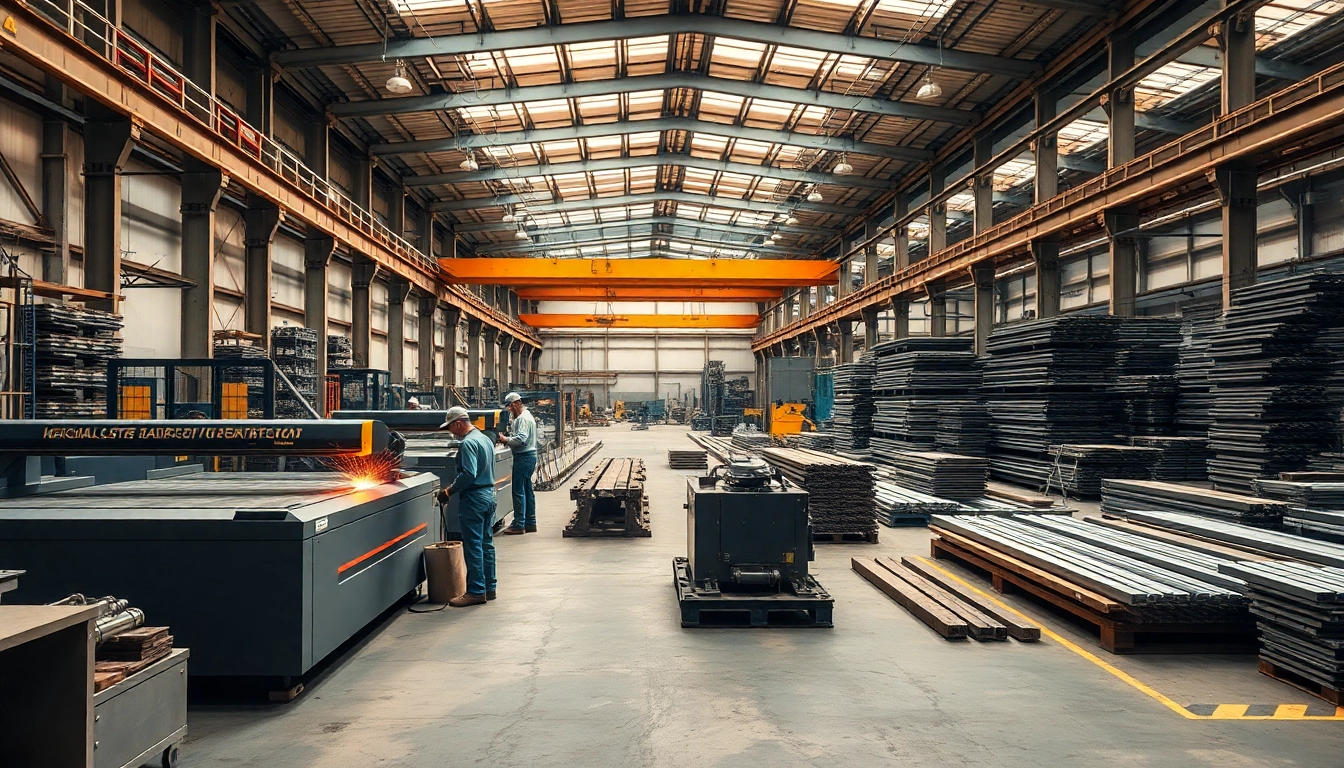
A steel fabrication shop is a facility where raw steel materials are transformed into various products through processes like cutting, bending, and assembling. These shops are integral parts of many industries, including construction, automotive, and manufacturing, providing them with essential components required for building structures, machinery, and more.
In essence, the operations within a steel fabrication shop revolve around manipulating steel to meet specific design and engineering requirements, ensuring that the finished products have the desired strength and durability.
Key Equipment and Tools in Steel Fabrication
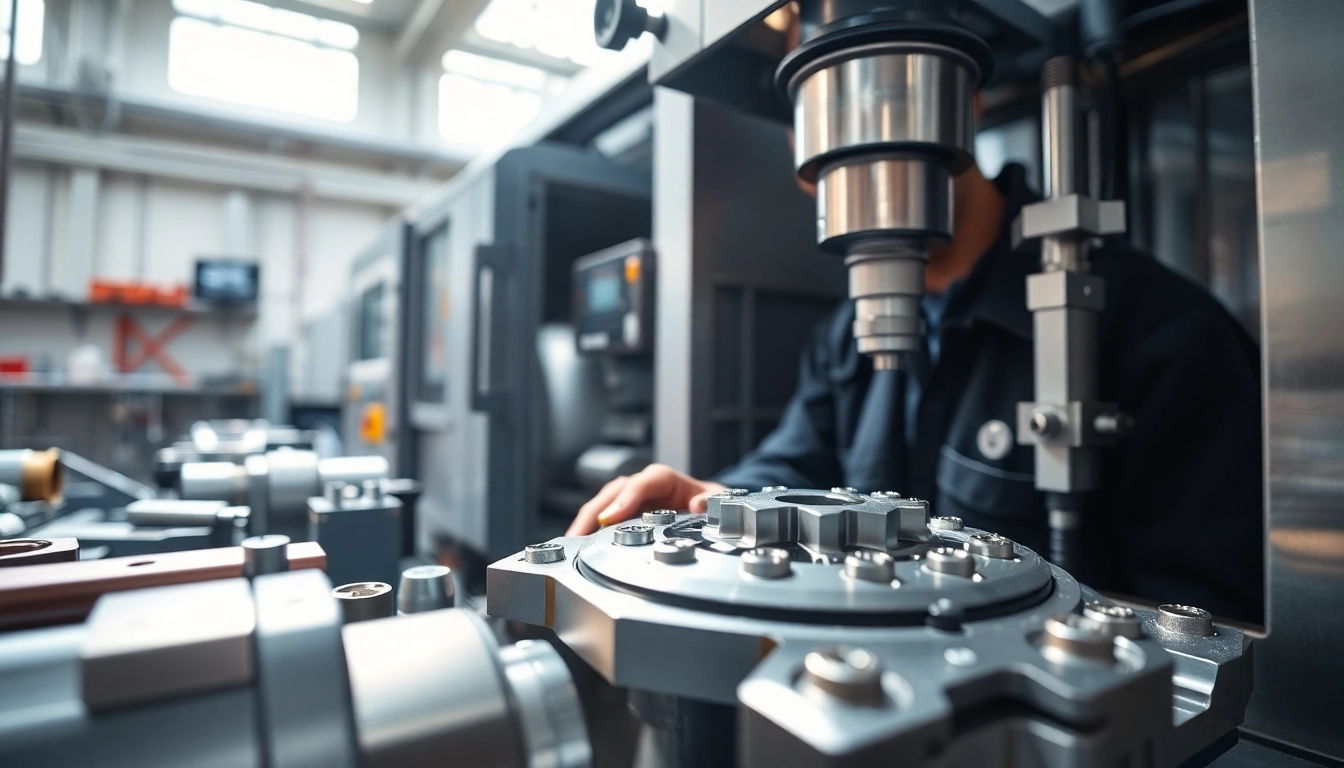
The success of a steel fabrication shop hinges significantly on its equipment and tools. Some key pieces of machinery include:
- CNC Machines: Computer Numerical Control machines are essential for precision cutting and shaping of steel components.
- Plasma Cutters: Used for cutting steel and other metals, plasma cutters provide a clean and efficient means of creating intricate shapes.
- Welding Machines: Essential for joining metal parts, welding machines come in various types, including MIG, TIG, and stick welding.
- Band Saws: Utilized for cutting metal pieces to size, band saws are versatile tools that help maintain accuracy in the cutting process.
- Drilling Machines: Critical for creating holes in steel components, these machines ensure precision and efficiency.
Common Services Offered by Steel Fabrication Shops
Steel fabrication shops offer a variety of services designed to cater to the needs of different industries. Common offerings include:
- Custom Fabrication: Tailoring products according to unique specifications provided by clients.
- Structural Steel Fabrication: Creating steel frames and supports for buildings, bridges, and other structures.
- Metal Finishing: Applying various finishing techniques to protect and enhance the steel's appearance.
- Assembly Services: Bringing together various components to create a final product.
Essential Processes in a Steel Fabrication Shop
Metal Cutting Techniques Explained
Metal cutting is a fundamental process in a steel fabrication shop. Different techniques can be employed based on the project requirements and the type of material used. The most common metal cutting techniques include:
- Sawing: A mechanical saw is typically used to cut metal sheets and bars accurately. Band saws and circular saws are common choices.
- Plasma Cutting: An effective method for cutting through thick materials using a high-velocity jet of ionized gas.
- Laser Cutting: Ideal for intricate designs, laser cutting is precise and can cut through various thicknesses of steel.
- Water Jet Cutting: This method uses high-pressure water mixed with abrasives to cut metal without generating heat, preventing warping.
Welding Processes Used in Fabrication
Welding is another critical process in steel fabrication. Various welding methods are utilized, depending on the materials and application:
- MIG Welding: A Metal Inert Gas process that is suitable for a variety of materials and produces strong welds quickly.
- TIG Welding: Involves non-consumable tungsten electrodes and offers more control, making it ideal for intricate welds.
- Stick Welding: A versatile process, often used in outdoor environments due to its resistance to wind and contamination.
- Submerged Arc Welding: This method minimizes fumes and is typically used for thicker materials.
Finishing and Surface Treatment Methods
The finishing process is vital for enhancing the longevity and appearance of steel components. Common finishing techniques include:
- Powder Coating: Provides a durable finish and is available in various colors, improving aesthetic appeal.
- Galvanizing: A process of coating steel with zinc to prevent corrosion.
- Painting: Applying paints can add protection against rust, enhance appearance, and allow for branding.
- Polishing: Involves mechanically smoothing the surface to achieve a shiny finish.
Choosing the Right Materials for Your Steel Fabrication Shop
Types of Steel Used in Fabrication
The choice of steel significantly impacts the quality and durability of fabricated products. Some common types of steel used include:
- Mild Steel: Known for its ductility and ease of welding, it’s used in general manufacturing and construction.
- Stainless Steel: Resistant to corrosion and staining, making it ideal for environments requiring sanitation, such as restaurants and hospitals.
- Tool Steel: Specialized carbon steel that is hard, heat-resistant, and used for cutting and shaping other materials.
- High-Strength Steel: These steels are strong yet lightweight, making them suitable for applications in the automotive sector.
Factors to Consider When Selecting Metals
When selecting the appropriate metal for fabrication, several factors must be considered:
- Application Requirements: Determine the strength, weight, and corrosion resistance needed for the end product.
- Cost: Analyze the budget for materials and weigh it against the performance needs.
- Availability: Ensure the chosen material is readily available to avoid delays in the fabrication process.
- Compatibility: Consider how the selected metals will interact with other materials in the project.
Recycling and Sustainability in Steel Fabrication
With the increasing focus on sustainability, steel fabrication shops are taking significant steps toward eco-conscious practices. Some key initiatives include:
- Recycling Scrap Metal: Efficiently managing scrap by recycling can significantly reduce material costs and limit waste.
- Using Recycled Steel: Incorporating recycled steel in fabrication reduces energy consumption and minimizes carbon footprint.
- Sustainable Practices: Implementing energy-efficient machinery and eco-friendly finishing products helps in reducing overall environmental impact.
Best Practices for Managing a Steel Fabrication Shop
Workflow Optimization Strategies
Efficient workflow is essential to maximizing productivity in a steel fabrication shop. Strategies for optimizing workflow include:
- Lean Manufacturing: Adopting lean principles minimizes waste and increases productivity through careful planning and efficient use of resources.
- Time Studies: Conducting time studies for various operations allows for the identification of bottlenecks and inefficiencies.
- Proper Layout: Designing the shop floor layout for optimal flow reduces unnecessary movement and enhances efficiency.
Safety Measures in the Fabrication Environment
Safety must always be a priority in any steel fabrication shop. Implementing the following safety measures can mitigate accidents:
- Personal Protective Equipment (PPE): Ensuring all workers wear appropriate PPE such as helmets, gloves, and eye protection.
- Regular Training: Conducting safety training sessions helps workforces stay informed about potential hazards and safety protocols.
- Safety Inspections: Regular audits of equipment, machinery, and work areas ensure compliance with safety standards.
Quality Control Standards to Implement
Implementing strict quality control standards is vital for producing high-quality products. Best practices include:
- Standard Operating Procedures (SOPs): Develop and enforce SOPs that outline each step of the fabrication process.
- Testing and Inspection: Establish protocols for quality testing throughout the production process, including visual inspections and material testing.
- Document Tracking: Maintain detailed records of each project to trace quality issues and identify areas for improvement.
Future Trends in the Steel Fabrication Shop Industry
The Impact of Automation on Fabrication Processes
Automation is revolutionizing the steel fabrication industry, allowing shops to increase efficiency and reduce costs. The integration of robotics and automated systems in processes like welding and cutting allows for greater precision and the ability to handle repetitive tasks.
Such advancements not only enhance productivity but also allow human workers to focus on more complex and skilled operations.
Innovations Driving the Steel Fabrication Market
Continuous innovation in materials and technology is reshaping the landscape of steel fabrication. Developments in advanced materials, such as high-strength alloys, and smart technologies, including IoT and AI, are paving the way for future growth.
These innovations are making the steel fabrication process more efficient and environmentally friendly, allowing shops to produce higher quality products with lower emissions.
Integrating Technology for Better Efficiency
With the evolution of technology, steel fabrication shops are adopting various tools and solutions to increase efficiency:
- Software Solutions: Project management software helps streamline operations, manage inventory, and improve communication within teams.
- 3D Modeling and Design Software: Facilitates precise design processes and allows for virtual simulations before physical production.
- Data Analytics: Using data analytics to monitor production processes and identify areas for improvement enhances overall efficiency.