What is a Carbon Monoxide Detector?
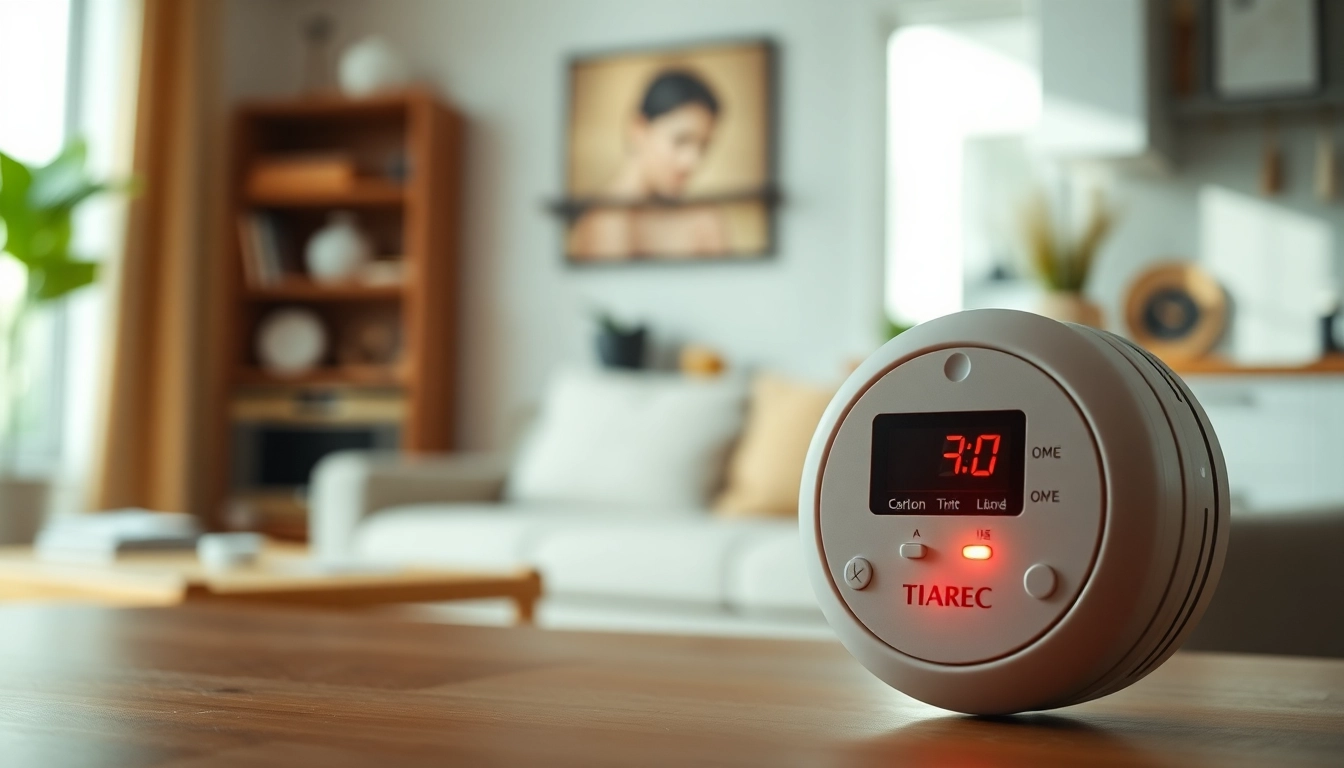
A carbon monoxide detector is an essential safety device designed to monitor the levels of carbon monoxide (CO) in the air and alert occupants when unsafe levels are reached. These detectors are crucial in homes, workplaces, and any environments that use fuel-burning appliances like furnaces, gas stoves, or fireplaces. The importance of a carbon monoxide detector cannot be understated, as carbon monoxide is a colorless, odorless gas that can lead to serious health consequences, including poisoning and even death. For information on the safety of carbon monoxide detectors, including the common issue of carbon monoxide detector beeping, it’s vital to understand how these devices function and the various types that exist.
Types of Carbon Monoxide Detectors
Carbon monoxide detectors come in various types, each designed to meet specific safety standards and installation requirements. The primary types include:
- Standalone Detectors: These are independent units typically installed in various locations throughout the home. They can be battery-operated or hardwired into the electrical system.
- Combination Detectors: These devices combine CO detection with smoke alarm functions, providing comprehensive safety monitoring.
- Smart Detectors: These detectors connect to home automation systems and can send alerts to smartphones or enable remote monitoring.
- Plug-In Models: Designed for convenience, these detectors plug into standard electrical outlets and are easy to relocate.
How Do They Work?
Carbon monoxide detectors work using several mechanisms to detect the presence of carbon monoxide. Most devices employ one of the following technologies:
- Electrochemical Sensors: These are the most common types and use chemical reactions to detect CO levels. The sensor produces a current that increases as the concentration of CO rises.
- Metal-Oxide Semiconductor Sensors: These sensors measure changes in electrical resistance caused by the presence of CO, providing a signal when the gas is detected.
- Biomimetic Sensors: These detectors use a gel that changes color when CO is present. This method triggers an alarm when the gel changes to a specific hue.
Regardless of the technology used, all carbon monoxide detectors share a common goal of detecting hazardous levels of CO and alerting occupants in a timely manner.
Importance of Having a Carbon Monoxide Detector
The significance of having a functional carbon monoxide detector cannot be overstated. Carbon monoxide is responsible for over 400 deaths and more than 20,000 emergency room visits every year in the United States alone. Here are the critical reasons to ensure you have a carbon monoxide detector:
- Life-Saving Detection: Early detection of CO can save lives by providing crucial alerts that prevent poisoning.
- Peace of Mind: Knowing that your home is equipped with a carbon monoxide detector allows for more peace of mind, especially in homes with fuel-burning appliances.
- Legal Compliance: Many states and local jurisdictions have regulations requiring functioning carbon monoxide detectors in residential buildings.
Common Reasons for Carbon Monoxide Detector Beeping
One of the often-frustrating experiences for homeowners is when a carbon monoxide detector begins beeping. Understanding why this happens is key to ensuring safety. Below are the common reasons for detector beeping:
Low Battery Alerts
One of the most common reasons for a carbon monoxide detector to beep is a low battery. Many detectors are equipped with a low-battery alert that emits a chirping sound at regular intervals. This is an important feature to prompt homeowners to replace the batteries, ensuring that the device remains functional. Regular maintenance, including changing batteries at least once a year, is essential for reliability.
Malfunction or Error Signals
If a carbon monoxide detector emits a continuous beeping, it may indicate a malfunction. Various factors can cause a malfunction, including dust accumulation, electrical issues, or failure of internal components. It’s advisable to consult the manufacturer's instructions regarding troubleshooting steps or consider replacing the unit entirely. Detectors generally have a lifespan, and replacing them every 5-7 years is recommended to avoid false alarms.
Presence of Carbon Monoxide in the Air
Of course, one of the most serious reasons for a carbon monoxide detector to emit a sound is the actual detection of carbon monoxide in the environment. In this case, the detector will typically emit a continuous alarm pattern. This urgent alert serves as a warning to evacuate the premises immediately and call emergency services. Knowing the difference between low battery alerts, malfunctions, and actual CO detection is crucial for safety.
Signs of a Carbon Monoxide Leak
Recognizing the signs of a carbon monoxide leak can make a significant difference in preventing health issues or even fatalities. Here, we explore the key indicators of CO leaks.
Symptoms of Carbon Monoxide Poisoning
Exposure to carbon monoxide can lead to a range of symptoms that may initially seem benign, often mistaken for flu-like conditions. Symptoms of CO poisoning include:
- Headache
- Dizziness
- Weakness
- Nausea or vomiting
- Confusion
- Shortness of breath
It is crucial to understand that these symptoms can escalate quickly and become severe. If you suspect carbon monoxide poisoning, getting fresh air immediately and seeking medical attention is paramount.
How to Detect a CO Leak Early
Detecting a carbon monoxide leak in its early stages can prevent toxic exposure. Here are some effective strategies:
- Frequent Testing: Regularly test your CO detectors to ensure they are functioning correctly.
- Pay Attention to the Color of the Flame: In gas appliances, a yellow or orange flame can indicate incomplete combustion and possible CO production.
- Watch for Staining: Soot or yellow/brown stains near appliance vents can be a sign of a leak.
When to Call for Help
If your detector goes off, and you suspect a leak, it’s vital to act quickly. Call your local fire department or a qualified technician if you notice any signs of a carbon monoxide leak. Rapid action can mitigate health risks and prevent potential fatalities.
Preventive Measures and Safety Tips
Preventing exposure to carbon monoxide involves a combination of regular maintenance, proper installation, and informed oversight. Here’s an outline of effective preventive measures:
Regular Maintenance and Testing
Conduct consistent maintenance on all fuel-burning appliances and regularly test carbon monoxide detectors. Following manufacturer recommendations for maintenance schedules can significantly reduce risks associated with carbon monoxide leaks. Establishing a routine check, such as every six months, can ensure that detectors are functioning correctly and batteries are replaced as needed.
Best Locations to Install Detectors
Strategically placing carbon monoxide detectors can maximize their effectiveness. Here’s where to install them:
- Near Sleeping Areas: Installing detectors in hallways close to sleeping rooms can alert you during nighttime emergencies.
- Every Level of the Home: Ensure that each floor, basement, and garage has a detector for comprehensive monitoring.
- Close to Fuel-Burning Appliances: Place detectors within ten feet of fuel-burning devices to provide early warnings of potential leaks.
Additional Safety Devices to Consider
In addition to carbon monoxide detectors, consider installing other safety devices to enhance home safety:
- Smoke Detectors: These are vital for fire safety and should be installed in conjunction with CO detectors.
- Home Automation Systems: Many modern systems can monitor air quality, including CO levels, and send alerts remotely.
- Ventilation Monitors: These devices can help monitor airflow and combustion efficiency in fuel-burning appliances.
What to Do When Your Detector Beeps
When a carbon monoxide detector emits a sound, knowing how to respond is critical. Follow these guidelines:
Immediate Steps to Take
If your carbon monoxide detector goes off, follow these immediate steps:
- Evacuate everyone from the building immediately.
- Do not re-enter the property until it is deemed safe by professionals.
- Call emergency services to report the alarm.
Understanding the Alarm Signals
Familiarizing yourself with the various alarm signals your detector may produce can effectively guide your response:
- Continuous Beeping: Indicates high levels of carbon monoxide; evacuate immediately.
- Chirping: Usually signals low battery or malfunction; replace batteries or check the unit.
Involving Professionals for Safety Inspections
Professional inspections are crucial for maintaining a safe environment and ensuring all appliances are functioning properly. Schedule regular safety inspections with qualified technicians, particularly for fuel-burning appliances. They can conduct thorough checks, ensuring that your living space remains free from hazardous gases.
In conclusion, understanding carbon monoxide detectors, their operations, and what to do when they beep is fundamental in safeguarding your home and your family. By implementing preventive measures, being aware of the symptoms of carbon monoxide poisoning, and responding promptly to alarms, you can significantly reduce the risks associated with this silent threat.