
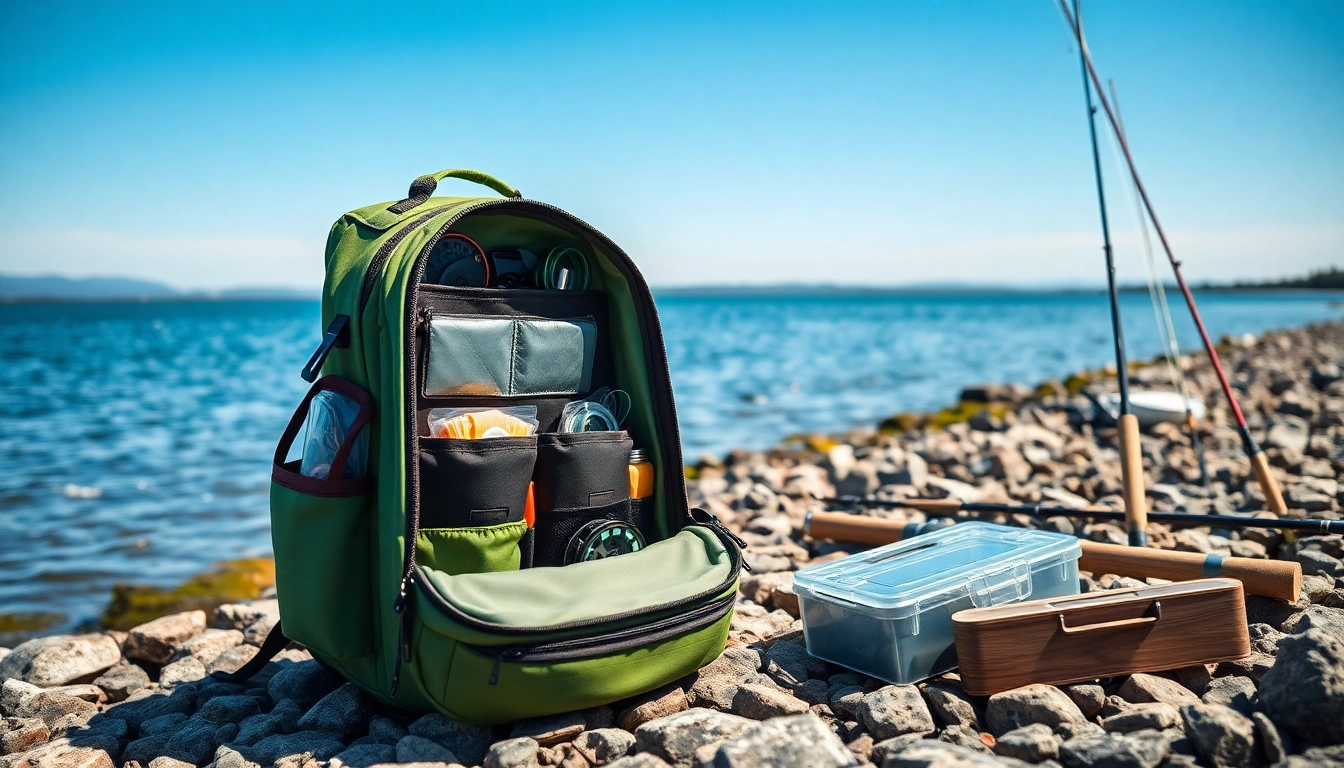
Understanding the Importance of a Fly Fishing Backpack
Why a Backpack Matters for Fly Fishing
When it comes to fly fishing, having the right gear can make all the difference between an enjoyable experience and a frustrating one. Among the key items that can enhance your fishing excursions is a well-designed fly fishing backpack. This versatile tool not only helps you carry essential equipment but also contributes to your overall fishing strategy. A dedicated backpack allows you to organize gear efficiently, enabling quick access when you need it most. Moreover, a good backpack can transport everything from rods and reels to flies and snacks, minimizing the chaos that can sometimes occur on the water.
Features to Look For in a Fly Fishing Backpack
When selecting a fly fishing backpack, there are several essential features to consider. First and foremost, the backpack should offer adequate storage capacity. You want enough space for your gear without becoming cumbersome. Additionally, organizational elements like compartments for flies, tools, and personal items make a world of difference in staying organized during your fishing trip.
Another important feature is water resistance. Fly fishing often involves wet conditions, so a backpack made from durable, waterproof materials can protect your gear from getting soaked. Comfort is also critical as you’ll likely be carrying your backpack for extended periods. Look for padded shoulder straps, an adjustable waist belt, and breathable back panels that provide comfort and make long hikes to your fishing spot feasible.
Comparing Backpack Types for Different Water Conditions
The type of water you’ll be fishing in significantly influences the kind of backpack you should choose. For instance, if you’re fishing in a stream or river, a lightweight, streamlined backpack may serve you best, making it easier to navigate wading scenarios. In contrast, if you’re planning a day on a lake, a larger backpack might be more appropriate, allowing for additional gear and provisions.
Saltwater fly fishing, particularly, presents its own challenges; you’ll need a backpack that is resistant to saltwater damage. Look for models with corrosion-resistant zippers and materials designed to withstand marine environments. Understanding the specific conditions you’ll face is crucial in selecting a fly fishing backpack that meets your needs.
Key Elements of an Effective Fly Fishing Backpack
Capacity and Organizational Features
The capacity of your fly fishing backpack essentially dictates how much gear you can take with you. Most quality backpacks fall within a range of 20 to 50 liters. A smaller pack typically suffices for day trips, containing just essential items such as a couple of fly boxes, a water bottle, and snacks. However, if you’re heading out on extended trips, consider a larger capacity that allows you to bring additional equipment, food, or other essentials.
Moreover, effective organizational features can elevate your fishing experience. Integrating multiple compartments, pockets, and attachment points allows you to segregate and easily access your gear. Some backpacks even come equipped with specialized pockets for hydration reservoirs, ensuring you can stay hydrated without having to dig through your gear.
Water Resistance and Material Durability
A fly fishing backpack’s material durability is paramount. Look for fabrics like ripstop nylon or high-denier polyester, which are both lightweight yet tough against abrasions. Waterproof coatings significantly enhance a bag’s utility, ensuring that your gear stays dry in unexpected weather conditions.
Additional features like sealed seams and high-quality zippers create a water-resistant backpack that can withstand splashes and spills. Consider your fishing environment when assessing these features; backpacks designed for saltwater fishing should prioritize corrosion-resistant materials to hold up against harsh saltwater conditions.
Comfort and Ergonomics for Long Trips
The comfort level of a fly fishing backpack is a critical consideration, especially during long trips. Your chosen backpack should feature adjustable, padded shoulder straps that decrease stress on your shoulders. An ergonomic design with a padded back panel can also prevent discomfort or injuries during prolonged wear.
To evaluate comfort before purchasing, have the backpack loaded with gear to simulate actual conditions. Many quality brands also integrate ventilation systems within the back padding to help keep you cool during hot days on the water.
Top Brands and Models to Consider
Review of Popular Fly Fishing Backpack Brands
Several brands have established themselves as leaders in producing quality fly fishing backpacks. Patagonia, for example, is renowned for its eco-friendly materials and durable designs. Their backpacks often come equipped with organizational features and are well-received by the fishing community for their performance under pressure.
Orvis is another brand known for its quality fishing gear; their backpacks are often praised for their comfort levels and superior organization. Similarly, Simms produces a variety of functional backpacks that cater to both freshwater and saltwater fishing needs.
Best-Selling Models and Their Unique Features
Some standout models in the world of fly fishing backpacks include the Patagonia Stormfront Backpack, which offers waterproof protection and ample storage space, making it ideal for tough conditions. The Orvis Guide Sling Pack is hailed for its innovative design allowing for ease of accessibility to all items while on the move. Finally, the Umpqua Submersible Backpack delivers excellent durability with a fully waterproof body, earning it accolades from serious anglers.
User Reviews and Testimonials for Insight
Real-world experiences are essential when choosing a fly fishing backpack. User reviews often highlight key aspects of a product that specifications do not cover. For example, while one backpack may boast a high degree of waterproofing, actual users might note how it performs under heavy rain. Common themes in reviews will also surface, such as comfort during extended periods and how easy it is to organize gear. Analyzing customer feedback can help you make an informed decision.
Maintenance Tips for Your Fly Fishing Backpack
Cleaning and Care Instructions
Regular maintenance of your fly fishing backpack ensures it lasts longer and remains functional. After every fishing trip, inspect your backpack for any dirt or debris. Clean it gently with mild soap and water—many backpacks can be spot-cleaned easily. Avoid harsh chemicals that could damage fabric treatments, especially waterproof coatings.
For thorough cleaning, consult the manufacturer’s instructions, as different materials may have specific care requirements. Always ensure the backpack is completely dry before storing it away, as moisture can lead to mold and mildew.
Storage Tips for Longevity
Storing your fly fishing backpack correctly is crucial for its longevity. Keep it in a cool, dry place away from direct sunlight, which can degrade materials over time. If your backpack has any collapsible frames or structure, ensure they are stored in a way that maintains their shape and doesn’t cause undue stress on the seams.
Consider using a cotton bag to store your backpack, especially during off-seasons, to keep dust and other debris out of internal compartments.
Common Issues and How to Resolve Them
Despite the best care, various issues may arise with your fly fishing backpack. Common problems include zipper malfunctions or instances of waterproofing failing. Regularly inspect zippers—if they begin to snag or skip, a little lubricant like zipper wax can ease functionality. For waterproofing, there are spray-on treatments specifically designed for fabrics that can restore water resistance.
If you notice any tears or holes, use waterproof repair patches designed for outdoor gear to prevent further damage. Being proactive in addressing these issues can extend the life of your backpack significantly.
Maximizing Your Fly Fishing Experience with Your Backpack
Packing Essentials for a Successful Trip
Packing for a fishing trip should become an art. Essentials such as fly boxes, leaders, tippet material, and floatant should be easily accessible in front compartments. A small first aid kit, sunscreen, and insect repellent are also wise additions. Water, snacks, and a hydration bladder can help maintain your energy through long days on the water.
Taking into account your specific fishing environment will help you tailor your packing. For instance, if you’re backcountry fishing, prioritize lightweight gear and essentials while leaving weighty options behind.
Organizing Your Gear for Efficiency
Effective organization of your backpack can positively influence your fishing experience. Utilize small tackle boxes or bags to categorize flies by type, color, or size. Tools like nippers, forceps, and indicators should have designated pockets that you can quickly access.
Having everything organized will save precious time, allowing you to focus on catching fish instead of scrambling to find gear. If you have multiple water routes planned, a checklist can help ensure you’re not forgetting critical pieces of gear.
Adapting Your Backpack Setup for Different Locations
Your fishing location should dictate how you set up your backpack. For heavy hiking terrains, reduce weight by paring down non-essentials. In contrast, if you’re fishing off a boat, include extra equipment for both fishing and comfort, like layering options for weather changes.
Being adaptable to your fishing environment is key. Review forecasts before departures to adjust your boat or trail gear to meet the upcoming conditions. By reorganizing your pack based on location and expected needs, you can gear up for successful adventures.
About the Author