
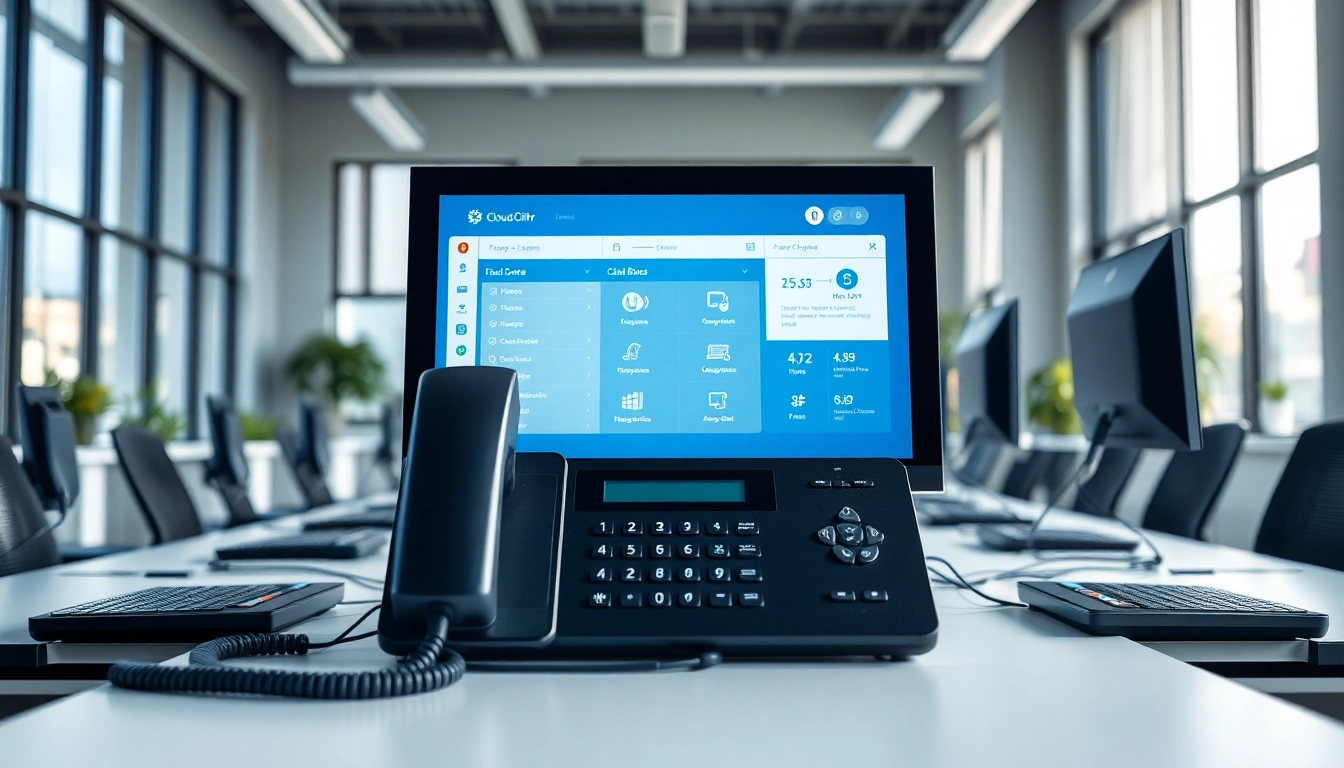
Understanding the Cloud Based Phone System
What Is a Cloud Based Phone System?
A cloud based phone system is a modern communication solution that operates over the internet rather than through traditional telephone lines. It allows businesses to manage their phone services using cloud technology, integrating various features into a single platform. This system enables users to make and receive calls, send texts, and access a range of communication tools from any device that has an internet connection.
How Does It Work?
The operational backbone of a cloud based phone system is Voice over Internet Protocol (VoIP) technology, which converts voice into data packets transmitted over the internet. This enables seamless communication without the need for physical hardware typically associated with traditional phone systems. Users can access their phone system through various devices, including computers, smartphones, and dedicated VoIP phones, thereby enhancing flexibility and mobility.
Advantages Over Traditional Systems
Transitioning to a cloud based phone system comes with numerous advantages. Firstly, it reduces dependence on physical infrastructure, leading to lower maintenance costs. Moreover, the ability to scale easily ensures that organizations can add or remove users based on their evolving needs without significant disruptions. Additionally, features such as call routing, voicemail to email, and conference calling enhance operational efficiency and user experience. Security protocols integrated within cloud systems often surpass traditional telephony, safeguarding sensitive communication.
Key Features of Cloud Based Phone Systems
Scalability and Flexibility
One of the standout attributes of a cloud based phone system is its scalability. Businesses can effortlessly scale their services up or down according to their operational demands. For instance, during peak seasons, a company can temporarily increase the number of lines without the hassle of purchasing additional hardware. This flexibility is particularly beneficial for startups and businesses experiencing rapid growth, as it allows them to adapt to market changes efficiently.
Advanced Communication Tools
Modern cloud based phone systems come equipped with advanced communication tools that extend beyond simple voice communication. Features like video conferencing, instant messaging, and integration with business applications enhance collaboration among team members, especially in remote work scenarios. For instance, while conducting a video meeting, participants can share screens to collaborate on documents in real-time, thus streamlining workflows and decision-making.
Cost-Effectiveness for Businesses
Cloud based phone systems often provide a more cost-effective solution for businesses when compared to traditional systems. By eliminating the need for physical infrastructure and reducing call costs—especially for long-distance calls—companies can save significantly. Furthermore, cloud solutions typically offer a subscription-based pricing model, allowing businesses to predict and control their expenses more accurately, which can be particularly advantageous for budgeting purposes.
Implementing a Cloud Based Phone System
Steps to Transition Smoothly
The transition to a cloud based phone system requires careful planning to ensure a smooth rollout. Begin by conducting a thorough assessment of current communication needs and sketching out an implementation roadmap. Next, select a reputable provider whose services align with your requirements. Prioritize training staff on the new system to promote effective use of features. Always consider a phased rollout, allowing for adjustments based on initial user feedback.
Common Challenges and Solutions
Implementing new technology is rarely devoid of challenges. One common issue businesses face is resistance to change among staff. To mitigate this, open communication about the benefits and provide comprehensive training sessions. Additionally, concerns related to the reliability of internet connections can arise. Ensure that bandwidth meets the system’s requirements, and consider a backup solution to maintain service continuity during outages.
Choosing the Right Provider
Selecting the right provider is critical to a successful cloud based phone system deployment. Look for providers with strong reputations and positive customer reviews. Evaluate their service level agreements (SLAs) to ensure they can meet your uptime and support expectations. Consider additional features, such as customization options and integration capabilities with existing tools, to ensure you select a versatile and reliable service.
Performance Metrics for Cloud Based Phone Systems
Assessing Communication Efficiency
Communication efficiency can be gauged using various performance metrics. Call quality, measured in terms of clarity and connection stability, directly impacts user satisfaction. Tracking call completion rates, hold times, and missed calls can offer insights into communication bottlenecks. Implementing feedback mechanisms such as surveys can help quantify user experience and identify areas needing improvement.
User Satisfaction and Feedback
User feedback is instrumental in understanding the effectiveness of a cloud based phone system. Establish regular intervals for collecting feedback to identify strengths and opportunities for growth. Surveys, one-on-one interviews, and focus groups can yield invaluable insights that inform training and system enhancements, ultimately leading to improved adoption rates and overall satisfaction.
Return on Investment (ROI) Analysis
Calculating the ROI of your cloud based phone system is crucial to validating its effectiveness. This involves analyzing not just direct cost savings from reduced call charges but also the intangible benefits gained from enhanced employee productivity and improved customer satisfaction. Conduct a comprehensive comparison between the initial investment and ongoing costs against the productivity gains to determine the system’s overall value to the organization.
FAQs About Cloud Based Phone Systems
What are the costs associated with a cloud based phone system?
The costs vary based on the provider and features, typically starting from $10 to $30 per user monthly, depending on the requirements of the business.
Can I keep my existing phone number?
Yes, most cloud based phone system providers allow you to port your existing phone number, ensuring continuity for your clients.
Is a cloud based phone system secure?
Many cloud based phone systems feature robust security measures, including encryption and secure access protocols, to protect your communications.
What equipment do I need?
You generally need internet access and compatible devices, such as computers or VoIP phones, to utilize a cloud based phone system effectively.
How easy is it to scale?
Cloud based phone systems are highly adaptable, allowing businesses to add or remove users and features as required, making the scaling process straightforward.
About the Author