
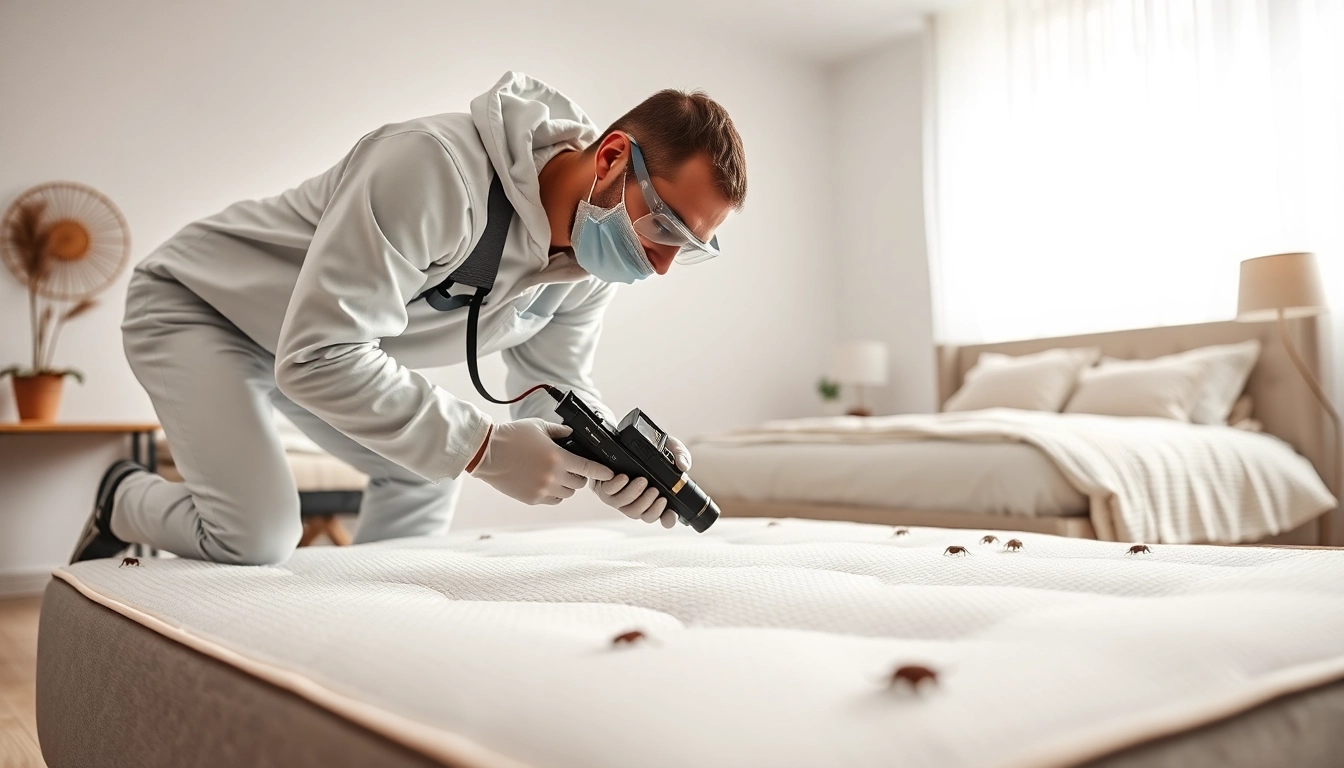
Understanding Bed Bugs and Their Behavior
What are Bed Bugs?
Bed bugs are small, wingless insects that belong to the Cimicidae family. They have a flat, oval shape and range between 1 to 5 millimeters in size. Their coloration varies from brown to reddish-brown, depending on when they last fed. Bed bugs primarily feed on the blood of humans and animals, typically at night while their hosts are asleep. Due to their elusive nature and ability to hide in small crevices, they can be incredibly difficult to detect and eliminate.
Common Habitats of Bed Bugs
Bed bugs are famously known for infesting residential spaces, particularly areas where people sleep, such as mattresses, bed frames, and upholstery. However, they can also thrive in various locations, including:
- Hotels and motels
- Public transportation and buses
- Offices and schools
- Movie theaters and libraries
- Shared living spaces like dormitories or multi-family homes
These bugs often travel with humans, making their way into luggage and personal belongings, which facilitates widespread infestations.
The Life Cycle of Bed Bugs
Understanding the life cycle of bed bugs is crucial for effective management. Bed bugs undergo a gradual metamorphosis that includes five nymphal stages and an adult stage. Each time a nymph feeds on blood, it will molt and eventually reach maturity within approximately 5 to 6 weeks, depending on environmental factors and available nourishment. The entire life cycle can result in hundreds of new bed bugs if left untreated.
Signs of Bed Bug Infestation
Visible Indicators of Bed Bugs
Detecting bed bugs early can prevent a minor issue from escalating. Common signs include:
- Small, dark brown stains on sheets and mattresses, which are bed bug excrement.
- Molted exoskeletons from nymphs and adults.
- Bed bug bites near areas of skin exposed during sleep, typically appearing as small, red, itchy welts.
- A sweet, musty odor in heavily infested areas, often likened to coriander.
How to Conduct a Thorough Inspection
A thorough inspection is imperative to confirm a bed bug presence. Start in commonly infested areas:
- Examine the seams and tags of mattresses and bed linens.
- Inspect baseboards, upholstered furniture, and rugs.
- Check inside drawers, electrical outlets, and cracks in walls.
- Utilize a flashlight to search for signs or view areas that are hard to see.
Consider using a magnifying glass to get a better look at small eggs or nymphs. If evidence of infestation is found, it is vital to address the issue promptly with bed bug pest control measures.
When to Seek Professional Help
It’s advisable to seek professional pest control assistance if you identify several signs of an infestation, especially if they reoccur after initial remediation efforts. Licensed pest management professionals have the training to employ effective techniques and the right tools to eradicate bed bugs.
Bed Bug Pest Control Methods
Traditional Chemical Treatments
Traditional chemical treatments often involve the use of insecticides that target adult bed bugs and their eggs. These products contain various active ingredients, such as:
- Pyrethroids: Effective against bed bugs but may not kill resistant strains.
- Insect growth regulators: Disrupt the molting process of nymphs, preventing them from maturing.
- Neonicotinoids: Mimic nicotine to disrupt the nervous system of bed bugs.
It is essential to follow the guidelines provided on the packaging carefully, as improper usage can lead to resistance and pose health risks to occupants.
Non-Chemical Alternatives
For those seeking non-chemical solutions, several methods can be effective in managing bed bug infestations. These include:
- Heat treatment: Raising the temperature in infested areas to over 120°F can kill bed bugs at all life stages.
- Vacuuming: Regular vacuuming can remove bed bugs and their eggs from surfaces, though it may not eliminate them all.
- Diatomaceous earth: A natural powder that can cause dehydration to bed bugs when they come into contact with it.
Integrated Pest Management Approaches
Integrated Pest Management (IPM) is a holistic approach that combines multiple strategies for effective bed bug control. This might incorporate:
- Regular inspections and monitoring to catch infestations early.
- Non-chemical options as a first line of defense.
- Application of chemical treatments only when necessary and in conjunction with physical removal methods.
By applying a comprehensive IPM strategy, homeowners can achieve long-term control and reduce the risk of future infestations.
Preparing for Bed Bug Treatment
Essential Preparations for Homeowners
Before a pest control professional arrives, homeowners should prepare their space effectively. Key steps include:
- Declutter rooms to minimize hiding spots for bed bugs.
- Launder and dry all bedding and clothing at high temperatures.
- Seal items in plastic bags to prevent spreading the infestation.
Additionally, be sure to inform the pest control professional of all the locations where bed bugs were identified.
Common Mistakes to Avoid
Homeowners should avoid the following common pitfalls when preparing for treatment:
- Ignoring the need for thorough cleaning, which can undermine treatment efforts.
- Using multiple products simultaneously, which can lead to dangerous chemical reactions.
- Neglecting to follow the pest control technician’s specific instructions regarding preparations.
What to Expect During Treatment
During bed bug treatment, expect a comprehensive plan that may include a combination of heat, chemical, and vacuuming methods. The professional will assess the extent of the infestation to tailor the approach to the client’s needs. Prepare to leave the premises, especially if heat treatment is applied, as it can be dangerous for sensitive materials.
Post-Treatment Tips for Bed Bug Prevention
Best Practices for Maintaining a Bed Bug-Free Home
To keep your home free from bed bugs after treatment, adhere to the following best practices:
- Regularly inspect bedding and furniture for signs of return.
- Maintain cleanliness by vacuuming and laundering items frequently.
- Seal cracks and crevices where bed bugs could hide.
Regular Inspection and Monitoring
Establish a routine for periodic inspections to safeguard against reinfestation. Consider marking your calendars for monthly checks for the first few months after treatment, especially in areas where bed bugs are commonly found.
When to Schedule Follow-Up Treatments
If signs of bed bugs persist after treatment or if new signs appear, do not hesitate to contact pest control for follow-up treatments. Many companies offer warranties that include free follow-up inspections and treatments if necessary.
Frequently Asked Questions (FAQs)
1. Will pest control get rid of bedbugs?
Yes, pest control companies use professional-grade insecticides and techniques, which can effectively eliminate bed bugs and prevent future infestations.
2. How do I identify bed bug bites?
Bed bug bites often appear as small red welts, usually in clusters or lines. They can be itchy and may take several days to show up.
3. Are DIY methods effective for bed bug control?
While some DIY methods can help, they may not be enough for severe infestations. It is best to consult with professionals for effective control.
4. How long does a bed bug treatment take?
The duration varies based on infestation severity and chosen methods. Most treatments can be completed within a few hours, but follow-ups may be needed.
5. Can bed bugs live in electronics?
Yes, bed bugs can hide in electronics, but they are less likely to thrive there due to the absence of a host. Regular checks are still advised.
About the Author