
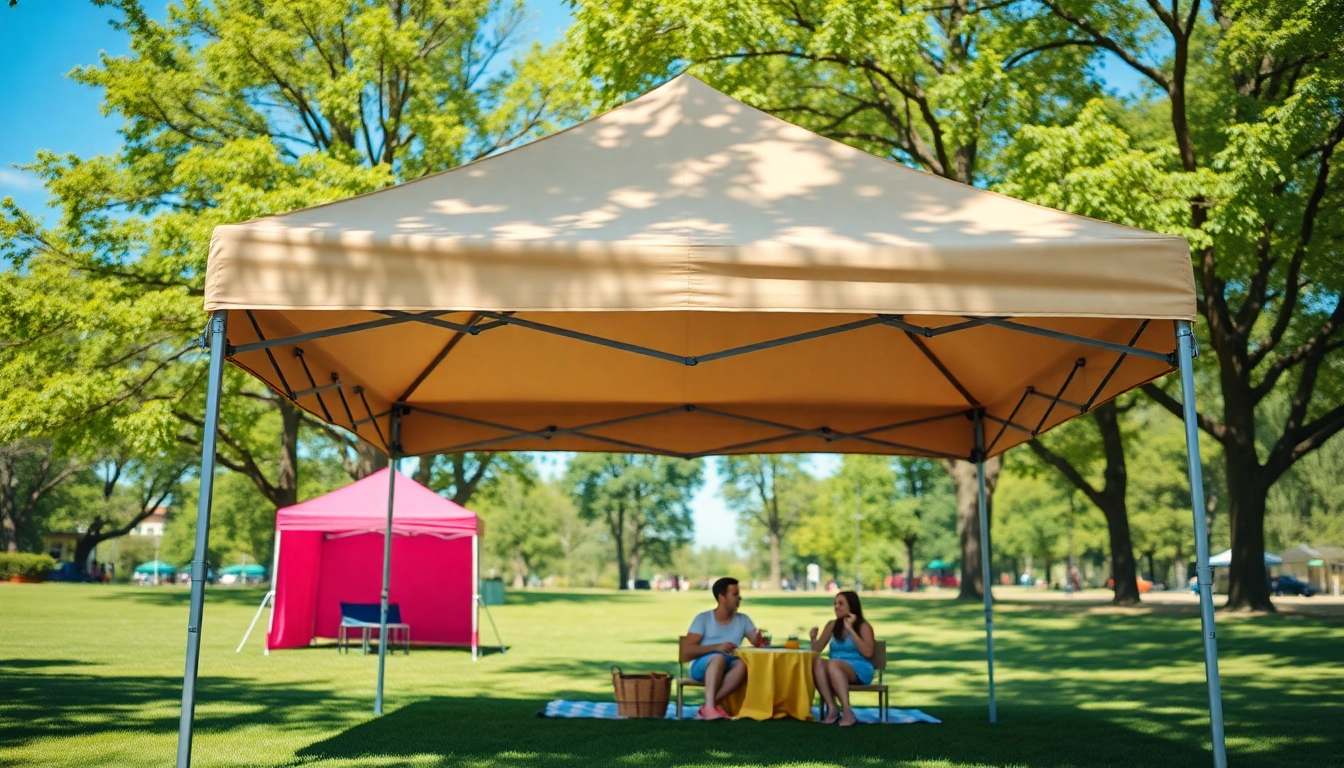
Understanding the Canopy Tent
What is a Canopy Tent?
A canopy tent is a portable shelter that provides shade and protection from weather elements such as sun, rain, and wind. These versatile structures are commonly used for outdoor events like parties, festivals, fairs, and casual gatherings. Characterized by a frame covered with fabric, these tents come in various designs and sizes, making them suitable for different occasions. They are typically easy to set up and dismantle, which is ideal for both personal and commercial use. If you are looking to enhance your outdoor experience, consider investing in a canopy tent that fits your needs.
Key Features of Canopy Tents
When selecting a canopy tent, there are essential features to consider:
- Material: Canopy tents are typically made from polyethylene or polyester fabrics, which provide UV resistance and waterproof capabilities.
- Frame: Frames are made from various materials like steel, aluminum, or plastic. Steel frames are sturdy and suited for windy conditions, while aluminum frames offer a lightweight option.
- Setup Mechanism: Canopy tents come in manual and pop-up designs, with the latter permitting quick assembly and disassembly.
- Weight: Consider the weight of the tent if you’re planning to carry it to various locations. Lightweight tents are easier to transport.
- Customizability: Some models allow for customization, such as printed logos for business branding.
Different Types of Canopy Tents
There are several types of canopy tents, each designed for specific applications:
- Pop-Up Canopy: Quick to set up, ideal for small events and portable use.
- Heavy-Duty Canopy: Built for more demanding conditions and larger gatherings, these tents offer greater stability and durability.
- Commercial Canopy: Designed for long-term outdoor use, suitable for businesses requiring vendor booths or displays.
- Canopy with Sides: Provides extra protection from the elements, making them perfect for inclement weather.
- Event Tents: Larger tents designed for significant gatherings such as weddings or corporate events, often used with additional accessories.
Choosing the Right Size Canopy Tent
How to Determine the Size Needed
The size of the canopy tent you need depends on several factors, including the number of guests, the type of event, and available space. Start by assessing the area where you plan to set up the tent. Consider the dimensions of your gathering, including tables, chairs, and any additional equipment. Common size options include 10×10 feet for small gatherings, up to significant size options like 20×40 feet for large events.
Popular Sizes for Events
Here are some popular sizes and their typical usage:
- 10×10 feet: Ideal for craft fairs, small parties, or as a vendor booth.
- 10×20 feet: Commonly used for smaller weddings or family reunions.
- 20×20 feet: Suitable for larger gatherings, outdoor festivals, or small corporate events.
- 20×40 feet: Recommended for elaborate events, including larger weddings and company picnics.
Factors Influencing Size Selection
Several variables can influence your tent size choice:
- Guest Count: How many people are you expecting? Always account for extra space to accommodate movement and seating arrangements.
- Event Type: Formal events may require additional space for tables and decorations, while casual gatherings might not.
- Weather Considerations: Depending on the expected weather, you may prefer a larger tent for better air circulation or coverage.
Benefits of Using Canopy Tents
Protection from Weather Elements
One of the primary benefits of canopy tents is their ability to protect against weather elements. Whether it’s providing shade during a sunny day or shielding guests from rain, they ensure comfort and enjoyment throughout the event. This protection also extends to equipment and food, safeguarding against sun damage and moisture.
Enhancing Outdoor Ambiance
Canopy tents can enhance the atmosphere of any outdoor event. With decorative elements like lights, drapes, and furniture, they can transform a simple tent into a cozy gathering space. Additionally, they offer flexibility in arrangement options, allowing event hosts to create distinct zones for various activities.
Versatility for Various Events
Canopy tents are highly versatile, catering to a range of events, including:
- Weddings
- Corporate gatherings
- Community fairs
- Sporting events
- Picnics and family reunions
They can be used as standalone structures, for dining, or as exhibition spaces, making them suitable for multiple functions.
Setting Up Your Canopy Tent
Important Setup Tips
Setting up your canopy tent correctly is crucial for safety and stability. Here are essential tips:
- Choose a level area free of sharp objects.
- Have enough people to assist with the setup, especially for larger tents.
- Follow the manufacturer’s instructions carefully for proper assembly.
- Secure the tent using weights or stakes to prevent it from being blown away.
Safety Precautions During Setup
Safety should always be a priority when setting up your canopy tent. Consider the following precautions:
- Check the weather forecast—avoid setting up in high winds or storms.
- Ensure all tent poles and connectors are in good condition to prevent collapses.
- Keep the area around the setup free from hazards.
Maintaining Your Canopy Tent
To prolong the life of your canopy tent, proper maintenance is essential. Recommendations include:
- Clean the fabric regularly with mild soap and water to prevent staining.
- Store the tent in a dry place to avoid mildew and corrosion of the frame.
- Inspect the tent for damage after each use to repair any wear and tear.
Frequently Asked Questions
What is the best material for a canopy tent?
The best materials are typically heavy-duty polyethylene or polyester fabrics with UV protection and water resistance for durability and weather resistance.
Can canopy tents withstand strong winds?
While many canopy tents can handle light to moderate winds, heavy-duty models are recommended for high winds. Always secure the tent properly for stability.
How do I clean my canopy tent?
Use mild soap and water for cleaning. Avoid harsh chemicals that may damage the fabric or coating, and allow it to dry completely before storing.
What accessories should I consider for my canopy tent?
Consider weights or stakes for securing the tent, sidewalls for added privacy, and lights or flooring to enhance your setup.
Are canopy tents waterproof?
Most canopy tents feature waterproof materials; however, the seam construction is crucial. Always check the product specifications for ratings.
About the Author