Understanding the Role of OEM Clothing Manufacturers
What is OEM Manufacturing?
OEM stands for Original Equipment Manufacturer, a term widely recognized in the manufacturing industry. In the realm of clothing, OEM refers to companies that produce garments based on the designs and specifications provided by other brands or retailers. These manufacturers do not directly sell to consumers; instead, they create bespoke products tailored to the unique needs of their business clients. This arrangement allows brands to focus on design and marketing while leveraging the specialized manufacturing capabilities of these OEM clothing manufacturers. The partnership facilitates an efficient production process, allowing brands to introduce new products swiftly and keep up with fashion trends.
How OEM Clothing Manufacturers Operate
OEM clothing manufacturers frequently engage in an expansive range of activities from raw material sourcing to securing production lines. Typically, the process starts with a brand providing unique designs, specifications, and fabric choices to the manufacturer. Utilizing these specifications, the OEM company will prototype samples for approval. Once a sample is approved, mass production can begin. Technology adoption, particularly in logistics and inventory management, streamlines operations further, allowing manufacturers to predict and respond to demand fluctuations efficiently. OEM clothing manufacturers often have the expertise in managing international supply chains, ensuring that products are delivered on time and within budget.
Benefits of Partnering with OEM Clothing Manufacturers
Venturing into partnerships with OEM clothing manufacturers presents numerous advantages. First and foremost, brands gain access to an extensive range of expertise and resources that can be financially prohibitive to develop independently. This synergy allows for reduced overhead costs and enhances product quality through specialized knowledge in textiles and labor standards. Additionally, such partnerships can heighten speed to market; OEM manufacturers are often experienced in scaling production rapidly to meet seasonal or sudden market demands. Finally, risk mitigation is a crucial aspect, as manufacturers often possess robust quality control systems that ensure compliance with industry standards, avoiding costly errors and ensuring product reliability.
Choosing the Right OEM Clothing Manufacturers
Factors to Consider When Selecting OEM Partners
Selecting the right OEM clothing manufacturers is a critical step that can significantly impact a brand’s success. Factors such as manufacturers’ pricing structures, minimum order quantities (MOQs), production capabilities, and adherence to timelines are essential to evaluate. It’s also vital to consider the manufacturer’s specialties, such as knowledge in sustainable practices or technical fabrications. Conducting thorough market research and reviewing previous client testimonials can provide insights into the manufacturers’ reputation in the industry.
Key Questions to Ask Potential Manufacturers
When interviewing potential OEM clothing manufacturers, asking the right questions can lead to a more informed decision. Brands should inquire about the manufacturer’s production capacity, lead times, and the possibility of scaling production. It’s also prudent to ask about their quality control measures, labor practices, and compliance with environmental regulations. Understanding their experience with similar product lines and the flexibility they offer during the design and production process is also essential.
Evaluating Manufacturer Capabilities and Credentials
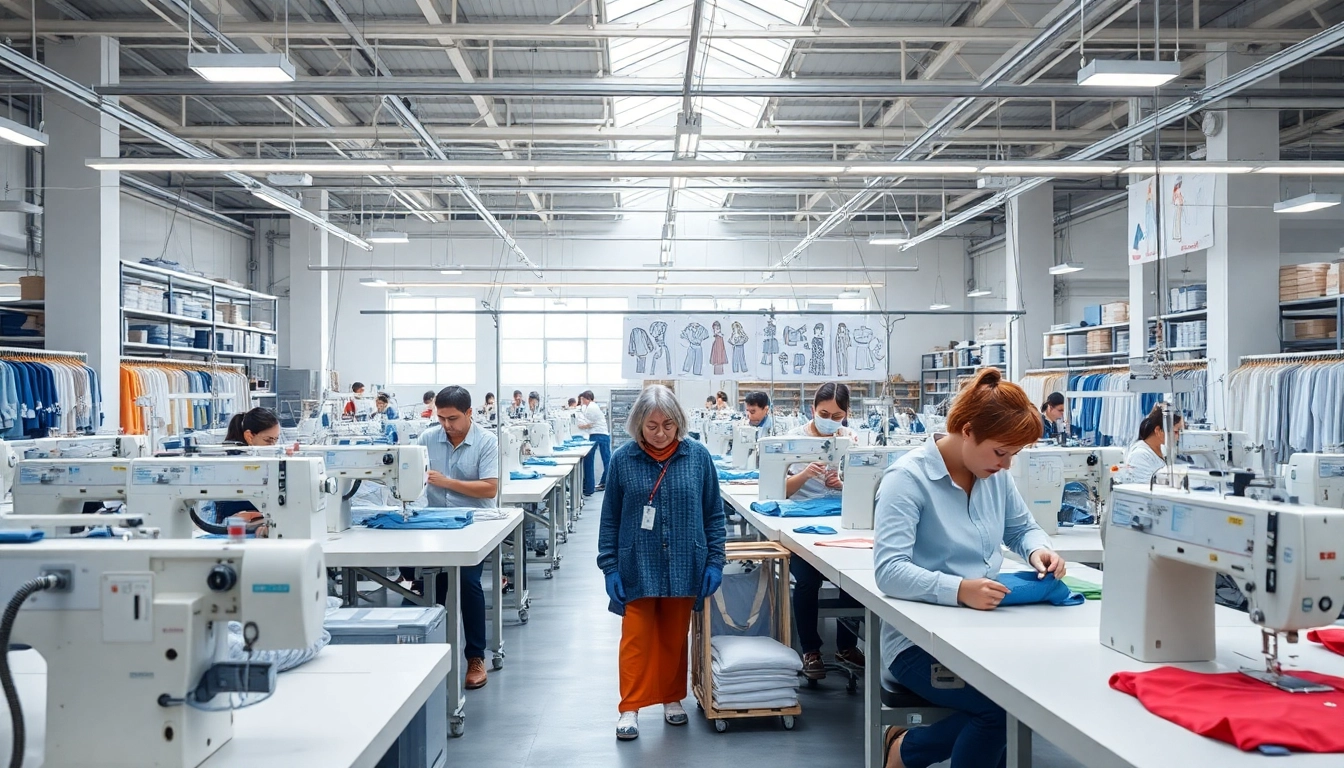
Thoroughly evaluating a manufacturer’s capabilities involves assessing their technological capabilities, production processes, and workforce skill levels. Brands should visit the manufacturing facilities when possible, verifying that they meet industry standards for quality and safety. Additionally, checking certifications, such as ISO or Fair Trade, can provide assurance of their commitment to ethical practices and manufacturing excellence.
Best Practices in OEM Clothing Manufacturing
Quality Control Procedures for OEM Clothing Manufacturers
Implementing stringent quality control procedures is integral to the manufacturing process. Effective quality assurance should encompass every stage, from raw materials inspection to final product testing. Utilizing quality control checkpoints, regular audits, and maintaining open communication between factory and brand staff can help achieve consistency in product quality. Moreover, adopting quality management software can improve monitoring and record-keeping for all production batches.
Effective Communication and Collaboration Strategies
Collaboration between a brand and their OEM clothing manufacturers is paramount. Establishing clear lines of communication fosters trust and enables rapid issue resolution. Utilizing project management tools and communication platforms can facilitate real-time updates on production progress. Regular meetings or calls ensure that both parties are aligned on expectations. Most importantly, setting mutual goals reinforces a shared commitment to quality and timelines.
Design-ing for Success with OEM Clothing Manufacturers
Designing for successful collaboration with OEM clothing manufacturers calls for a balance between creativity and pragmatism. Brands should provide clear technical specifications and design briefs, ensuring that manufacturers understand the vision behind each piece. Collaborating on prototypes and being open to feedback can lead to innovative outcomes, ultimately resulting in products that resonate with the target audience. Moreover, investing in a technologist to bridge the gap between design and production can significantly enhance the productivity of this process.
Common Challenges Faced with OEM Clothing Manufacturers
Navigating Language and Cultural Barriers
Language and cultural differences can pose significant challenges when working with OEM clothing manufacturers, especially those located in different countries. To mitigate these barriers, brands should consider hiring translators or employing personnel who are fluent in the manufacturer’s language. Additionally, understanding cultural nuances in communication and business practices can foster respect and smoother collaboration. Building rapport through regular interactions helps create a shared understanding over time.
Managing Production Timelines Effectively
Production timelines may drift due to unforeseen circumstances like resource availability or logistical challenges. As such, establishing a clear production schedule upfront with buffer periods for unexpected delays is essential. Regular progress check-ins help stay ahead of any potential issues. Utilizing data analytics can also predict delays early, allowing brands to streamline their operations and communicate timely updates to stakeholders.
Addressing Quality Issues and Compliance Standards
Addressing quality issues deftly is vital to maintaining brand integrity. In instances of non-compliance with quality standards, manufacturers should be prompted for corrective action plans, detailing how issues will be resolved. Regular audits and systematic testing can preempt quality challenges, ensuring that products consistently meet established specifications. Building a collaborative approach to problem-solving further enhances quality assurance, ensuring both brand and manufacturer stand unified in their commitment to excellence.
Future Trends in OEM Clothing Manufacturing
Emerging Technologies in the Fashion Manufacturing Industry
The integration of advanced technologies within OEM clothing manufacturing is rapidly transforming the fashion landscape. Innovations such as artificial intelligence and machine learning optimize production processes and predictive strategies. However, the Internet of Things (IoT) is setting the foundation for smart factories where machinery can communicate, adapting production schedules and workflows autonomously. Brands that embrace these technologies stand to gain increased operational efficiency and responsiveness to market demands.
Sustainability Initiatives among OEM Clothing Manufacturers
As the global community becomes more environmentally conscious, sustainability initiatives are increasingly becoming integral to OEM clothing manufacturing. Brands are now seeking out partners committed to sustainable practices, from the sourcing of eco-friendly materials to implementing waste reduction strategies. Transparency in supply chains, along with adherence to international sustainability certifications, acts as a significant draw for brands looking to bolster their ethical standing in the market.
The Impact of Global Supply Chains on OEM Relationships
The complexity of global supply chains can influence the dynamics of relationships with OEM clothing manufacturers. Factors such as geopolitical tensions, tariffs, or pandemic-related disruptions can lead to increased uncertainty. To navigate these challenges, brands should prioritize flexibility within their supply chains, exploring local manufacturing options when feasible. Keeping alternative suppliers in mind can also help reduce dependency and enhance resilience against market volatility.
Frequently Asked Questions
What is the role of OEM clothing manufacturers?
OEM clothing manufacturers produce garments based on designs provided by brands, focusing on the production side while brands handle marketing and sales.
How do I select the right OEM partner?
Evaluate potential OEM partners based on their expertise, capabilities, pricing, minimum order quantities, and reputation in the industry.
What are the benefits of working with OEM manufacturers?
Working with OEM manufacturers can reduce costs, improve product quality, enhance speed to market, and mitigate risks.
How can communication be improved with OEM partners?
Utilize project management tools, set regular meetings, and clarify expectations to maintain effective communication with OEM partners.
What trends are shaping the future of OEM manufacturing?
Emerging technologies, sustainability initiatives, and the complexities of global supply chains are influencing the evolution of OEM manufacturing.
About the Author