
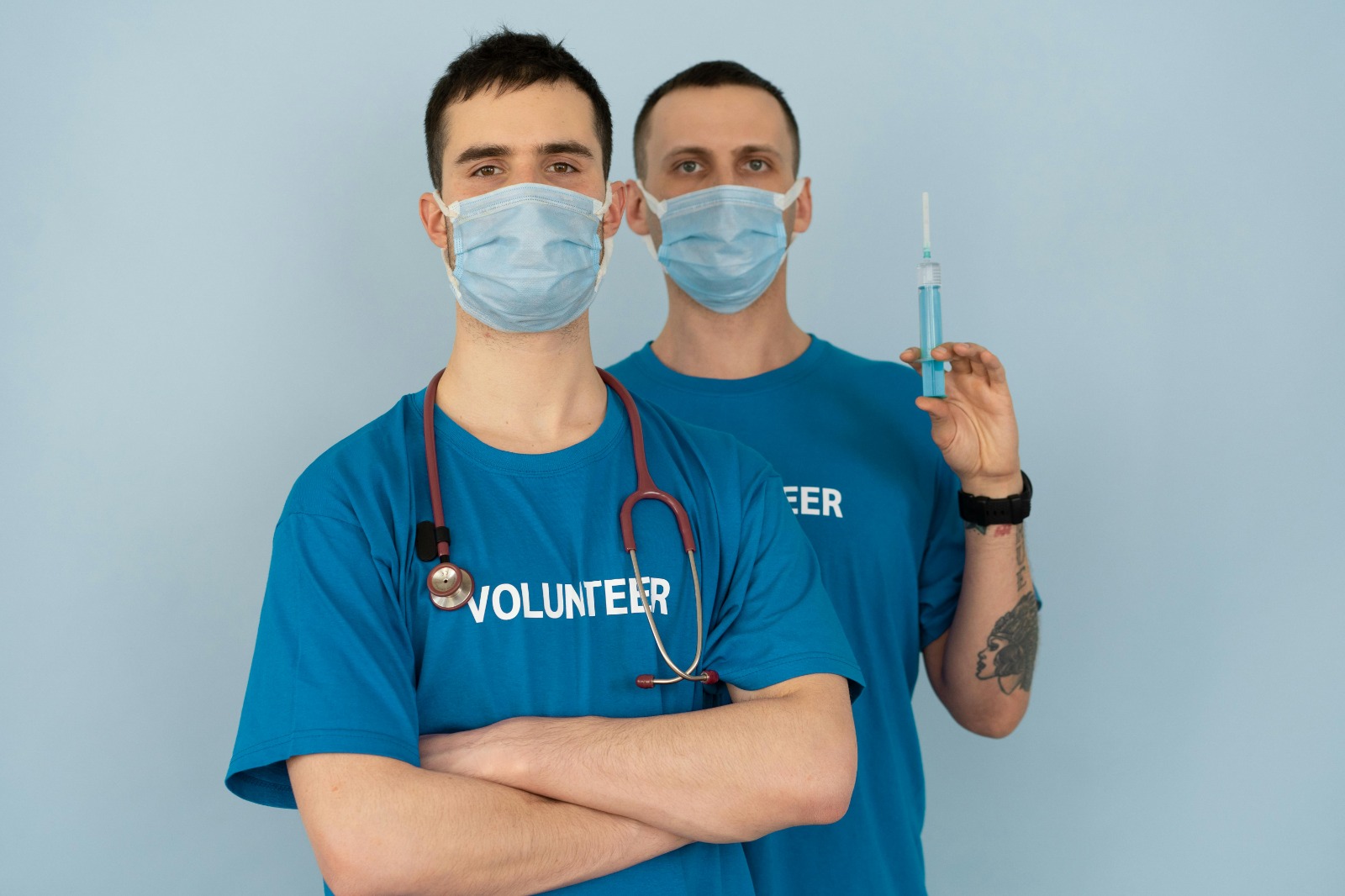
Medicine is not just about diagnosing illnesses or prescribing treatments; it is about understanding, compassion, and the power to bring meaningful change to the community. One of the most effective ways to make an impact is through a student-led nonprofit. These organizations are driven by passionate students who are committed to improving healthcare accessibility, awareness, and education. By combining medical knowledge with empathy, a Student-led nonprofit can transform the lives of countless individuals while cultivating a generation of socially responsible medical professionals.
Why Choose a Student-Led Nonprofit?
The appeal of a student-led nonprofit lies in its unique approach to community service. Unlike traditional nonprofits, student-led organizations often bring fresh perspectives, creativity, and innovative solutions to pressing health issues. They are flexible, adaptable, and deeply connected to the communities they serve. A student-led nonprofit empowers students to take leadership roles, develop project management skills, and directly see the outcomes of their efforts. Through initiatives like free health clinics, mental health workshops, and educational campaigns, these organizations address gaps in healthcare access while fostering collaboration between students and local healthcare providers.
Building a Vision for Change
Every successful student-led nonprofit begins with a clear mission. Identifying a community need—whether it’s preventive healthcare, health education, or social support—is the first step. By conducting surveys, engaging with local leaders, and researching existing healthcare challenges, students can create targeted programs that have measurable impact. A student-led nonprofit can focus on areas such as pediatric health, elderly care, chronic disease management, or mental health awareness. Establishing a strong mission ensures that every initiative is aligned with both the community’s needs and the organization’s long-term goals.
Steps to Establish a Student-Led Nonprofit
Starting a student-led nonprofit may seem daunting, but breaking it down into actionable steps makes it achievable:
- Form a dedicated team: Gather like-minded students who are committed to healthcare and community service.
- Define your mission and objectives: Clarify the purpose and specific outcomes you aim to achieve.
- Register your organization: Legal registration ensures credibility and opens doors for funding opportunities.
- Develop programs and initiatives: Design projects that address urgent community health needs.
- Seek mentorship and partnerships: Collaborate with faculty, local healthcare providers, and other nonprofits.
- Fundraise and manage resources: Effective fundraising strategies are essential for sustaining operations.
- Promote awareness: Use social media, local events, and educational campaigns to reach the community.
- Measure impact: Regularly assess outcomes to refine strategies and ensure effectiveness.
Each step strengthens the foundation of the student-led nonprofit, enabling it to make lasting contributions to the community.
The Benefits of a Student-Led Nonprofit
A student-led nonprofit offers significant benefits for both students and the communities they serve. For students, it provides hands-on experience in leadership, teamwork, and project management. It cultivates empathy, resilience, and problem-solving skills—qualities essential for a successful career in medicine. For communities, these nonprofits bring vital services, awareness campaigns, and innovative healthcare solutions. Programs initiated by student-led nonprofits often address underserved populations, filling critical gaps where traditional healthcare services may be limited.
Engaging the Community
The impact of a student-led nonprofit is amplified through active community engagement. Hosting workshops, free clinics, and health awareness drives allows students to directly connect with local residents. Feedback from the community helps refine programs and ensures that initiatives are culturally sensitive and effective. By involving volunteers, local organizations, and healthcare professionals, a student-led nonprofit fosters a collaborative environment where knowledge is shared, and meaningful change is achieved.
Overcoming Challenges
While a student-led nonprofit holds immense potential, challenges are inevitable. Time management is a common hurdle, as students must balance academics with organizational responsibilities. Funding can also pose difficulties, requiring innovative approaches to resource mobilization. Additionally, sustaining long-term engagement demands strategic planning and effective leadership succession. However, these challenges are opportunities for growth, encouraging students to develop resilience, adaptability, and strong problem-solving skills within the context of a student-led nonprofit.
Success Stories of Student-Led Nonprofits
Around the world, student-led nonprofits have made remarkable contributions to public health. From organizing vaccination drives to creating mental health support networks, these organizations exemplify how student passion translates into tangible change. By showcasing success stories, new organizations can gain inspiration, learn best practices, and motivate more students to get involved. Each story reinforces the idea that a student-led nonprofit is more than a temporary project; it is a catalyst for sustainable community transformation.
Strategies for Growth and Sustainability
For a student-led nonprofit to thrive, it must prioritize growth and sustainability. This includes building a strong organizational structure, training new members, and establishing long-term partnerships with healthcare providers and local organizations. Fundraising campaigns, grants, and community support are critical to maintaining operations. Regular evaluation of programs ensures that the nonprofit adapts to evolving community needs. By implementing these strategies, a student-led nonprofit can expand its reach, enhance its impact, and create a legacy of service and innovation in medicine.
The Future of Student-Led Nonprofits in Medicine
The landscape of healthcare is constantly evolving, and student-led nonprofits play a crucial role in shaping its future. By addressing social determinants of health, raising awareness about preventive care, and promoting community well-being, these organizations inspire a culture of empathy and proactive healthcare. Students involved in these nonprofits develop invaluable skills and perspectives, preparing them to be compassionate, innovative, and socially conscious medical professionals. As more students engage in these initiatives, the collective impact of student-led nonprofits will continue to grow, transforming communities and redefining the future of medicine.
Conclusion
A student-led nonprofit is more than an extracurricular activity; it is a powerful vehicle for change in medicine and society. By combining leadership, empathy, and medical knowledge, students can create meaningful programs that address critical health challenges and uplift communities. Establishing and sustaining a student-led nonprofit requires dedication, planning, and collaboration, but the rewards—for both students and communities—are immeasurable. Through passion and perseverance, students can lead the way in building healthier, more compassionate communities, one initiative at a time.
About the Author