
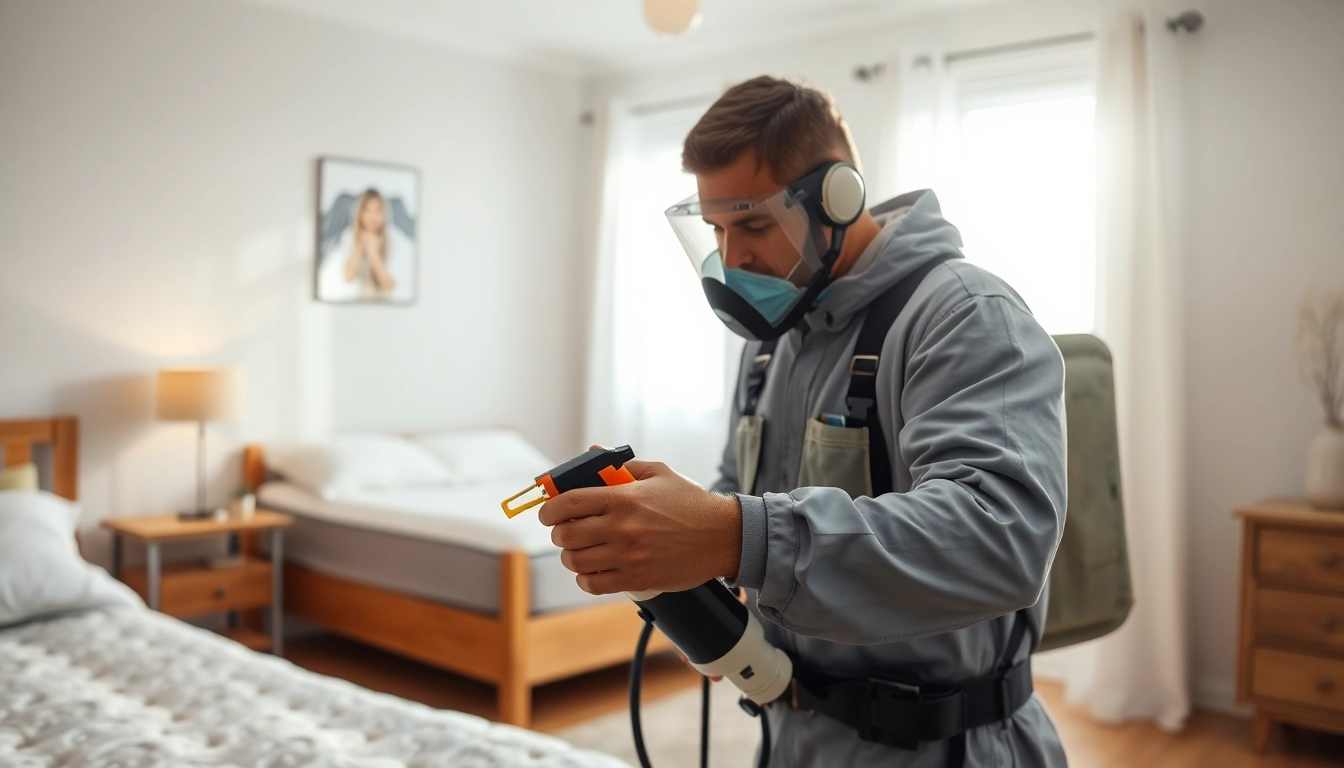
Understanding Bed Bugs and Their Impact
What Are Bed Bugs?
Bed bugs are small, reddish-brown parasitic insects that feed on human and animal blood. Adult bed bugs are about the size of an apple seed, making them difficult to detect without close inspection. They are nocturnal and typically hide in crevices during the day. Their presence in homes, hotels, or public spaces serves as a significant concern due to their rapid reproduction and resilience against various control methods. Effective bed bug pest control is essential to mitigate their spread.
Signs of Infestation
Identifying a bed bug infestation can prevent extensive damage and discomfort. Key signs include:
- Itchy welts or rashes on the skin, often appearing in lines or clusters.
- Presence of small blood spots on bedding or clothing.
- Dark, fecal stains on sheets, mattresses, or walls.
- Eggs or shed skins in hiding spots like mattress seams or cracks in furniture.
Health Risks Associated with Bed Bugs
While bed bugs are not known to transmit diseases, their bites can cause severe allergic reactions, secondary infections from scratching, and psychological effects such as anxiety and insomnia. The distress caused by an infestation can significantly impact personal and professional life, making prompt action crucial.
Comprehensive Bed Bug Pest Control Techniques
Physical and Chemical Treatments
A variety of methods can be employed to control bed bugs, ranging from physical to chemical treatments. Physical methods include vacuuming, steaming, and using mattress encasements to trap bed bugs. Chemical treatments involve insecticides and pesticides formulated specifically for bed bugs. It’s vital to choose a chemical solution recognized for its efficacy while being cautious to avoid contributing to pesticide resistance.
Heat Treatment Methods
Heat treatments are one of the most effective ways to eliminate bed bugs, as they cannot survive temperatures above 120°F (49°C). Professional pest control services often utilize specialized equipment to heat an entire room or affected area. This method ensures that even hidden bed bugs are eliminated. Homeowners can also use portable heat devices; however, high temperatures must be managed carefully to avoid damage to belongings.
Integrated Pest Management Approaches
Integrated Pest Management (IPM) combines multiple strategies for effective bed bug control. This approach includes:
- Regular inspections and monitoring for early signs of infestation.
- Combining chemical and non-chemical methods to reduce reliance on pesticides.
- Educating residents and management about prevention and control measures.
Tailoring a control plan based on the specific situation is vital for long-term success.
Preparing Your Home for Bed Bug Pest Control
Home Inspection and Assessment
Before implementing pest control measures, a thorough inspection should be conducted. This may involve hiring a professional service to identify infested areas. Understanding the extent of the infestation will dictate the appropriate treatment plan and resources required. Inspection typically covers:
- Bedrooms
- Living Rooms
- Storage Areas
- Any common areas where people congregate
Decluttering and Cleaning
A cluttered environment provides ample hiding places for bed bugs. Cleaning to reduce clutter enhances the effectiveness of pest control strategies. This includes washing bedding, vacuuming carpets, and emptying storage spaces. Thorough cleaning should be combined with sealing items in plastic bags to prevent the spread of bed bugs while the extermination process occurs.
Safe Handling of Infested Items
Items infested with bed bugs must be handled carefully to avoid spreading them. Seal affected items in plastic bags before moving them. Washing clothing in hot water and using a dryer on high heat can effectively kill both bed bugs and their eggs. For larger items, consider professional cleaning or disposal.
Post-Treatment Follow-Up and Prevention
Maintaining a Bed Bug-Free Environment
After treatment, maintaining vigilance is crucial. Regular inspections and monitoring for signs of bed bugs can help catch any resurgence early. It’s also important to maintain cleanliness and minimize clutter to limit potential hiding spots.
Regular Inspections and Monitoring
Schedule periodic inspections, especially after traveling or purchasing second-hand furniture. Use bed bug monitors, which are effective tools for proactive detection. Monitoring helps maintain a sound strategy in preventing new infestations.
Educating Residents on Bed Bug Awareness
Education is key in preventing bed bug infestations. Inform residents and staff about how to identify bed bugs and the importance of reporting any signs of infestation. Implementing awareness campaigns in residential buildings or workplaces encourages a community-focused approach to pest control.
Frequently Asked Questions about Bed Bug Pest Control
Will professional pest control eliminate bed bugs?
Yes, professional pest control services use scientifically proven methods and products that target bed bugs effectively to ensure long-lasting eradication compared to DIY efforts.
What is the average cost of bed bug extermination?
The cost can vary based on the severity of the infestation and treatment methods. On average, homeowners might expect to pay between $300 to $1,500 for thorough treatment.
Can I do bed bug pest control myself?
While DIY methods can help reduce bed bugs, full eradication is often more effective with professional services that utilize advanced techniques and products not available to general consumers.
How can I prevent bed bug infestations in the future?
Preventive measures include regular inspections, reducing clutter, and being cautious with second-hand goods. Use protective mattress encasements and be vigilant while traveling.
What are the signs that bed bugs are back?
Signs of a resurgence include fresh bite marks, small blood stains on sheets, fecal spots, and the presence of shed skins in areas where bed bugs typically hide.
About the Author