The Evolution of Fashion
Historical Perspectives on Fashion
Fashion has always been an ever-evolving phenomenon, intricately woven into the fabric of society. To understand Fashion, one must explore its historical journey. From the elaborate tunics of ancient Rome to the tailored suits of the Renaissance, fashion has served as a mirror reflecting the cultural, political, and social climates of different eras. For instance, in the 18th century, fashion became a symbol of class distinction, with elaborate dresses and accessories denoting wealth and status.
The Industrial Revolution marked a pivotal moment when fashion transitioned from hand-crafted garments to mass production. This democratization of style meant that more individuals could access the latest trends, paving the way for fast fashion’s rise in the late 20th century. Yet, with this convenience came a host of challenges, including environmental impacts and ethical considerations, which the modern fashion industry now grapples with.
Influences Shaping Modern Fashion
In examining the modern landscape of fashion, several influences stand out. Firstly, digital technology has reshaped how fashion is created, marketed, and consumed. Online platforms enable designers to showcase their collections globally, while e-commerce has allowed brands to reach consumers directly. Additionally, the rise of social media has given voice to influencers who significantly impact trends and purchases.
Moreover, cultural movements have also precipitated shifts in fashion ideologies. The push for body positivity, inclusivity, and diversity has led brands to adapt their offerings, crafting collections that cater to various body types, gender identities, and cultural backgrounds. This evolution reflects a broader societal shift towards accepting and celebrating individuality.
Fashion Movements Through the Decades
Fashion movements often reflect the zeitgeist of their time. The 1920s, often referred to as the Roaring Twenties, emerged as a vibrant period marked by flapper dresses and Art Deco influences, symbolizing freedom and women’s emancipation. In contrast, the 1960s embraced the counterculture movement, bringing forth psychedelic prints and androgynous shapes, challenging traditional norms and ideals.
The late 20th century ushered in the rise of streetwear, heavily influenced by hip-hop, skate culture, and urban life. Today, fashion is an amalgamation of these historical influences, creating a rich tapestry from which contemporary designers draw inspiration. This continuous interplay between the past and present keeps the industry alive, vibrant, and ever-changing.
Current Fashion Trends
Key Styles Defining Today’s Fashion
Today’s fashion landscape is incredibly diverse, with trends encapsulating everything from maximalism to minimalism. Key styles include oversized silhouettes, which advocate for comfort and freedom of movement, and tailored outfits that emphasize professional attire’s return. Athleisure continues dominating, casual yet stylish pieces appealing to the modern consumer’s need for versatility.
A noteworthy trend is the revival of Y2K aesthetics, with fashion influencers sporting low-rise jeans, butterfly clips, and bold colors reminiscent of the early 2000s. This nostalgic reference appeals to both millennials and Gen Z, highlighting how today’s trends are often reflections of past styles.
Color Palettes and Patterns in Focus
Color plays a critical role in fashion, as it evokes emotions and conveys messages. Currently, nature-inspired palettes featuring earthy tones dominate, mirroring society’s growing connection with the environment. Alongside this, vibrant hues such as electric blue and neon green reflect a desire for optimism amidst global challenges.
Patterns also take center stage, with florals remaining timeless while geometric prints and cultural motifs rise in popularity. The fusion of different patterns, known as “mixing and matching,” allows individuals to express their creative freedom and build unique wardrobes that resonate personally.
Must-Have Accessories This Season
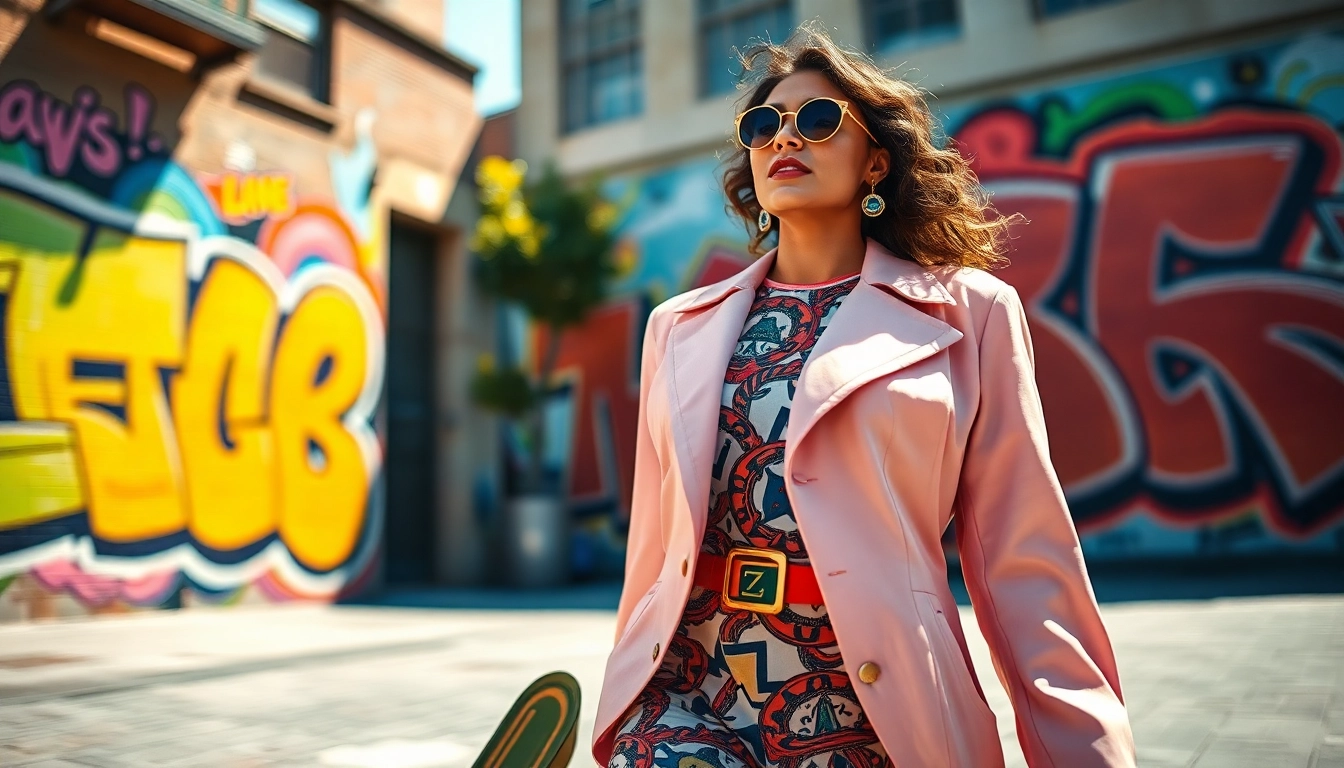
Accessories play a pivotal role in shaping outfits and enhancing personal style. Key items this season include chunky boots that blend function and fashion, oversized sunglasses that offer a touch of glamour, and statement belts that cinch waistlines, adding dimension to outfits. Additionally, bold jewelry such as layered necklaces and chunky rings are making waves, emphasizing individuality and personal flair.
Caps and hats continue to trend, providing style that is both functional and fashionable, perfect for sunny days or simply making a statement. These must-have accessories not only complete looks but can also transform a simple outfit into a fashion-forward ensemble.
Building a Personal Style
Identifying Your Fashion Identity
Finding one’s fashion identity is an essential journey towards self-expression. Begin by evaluating the pieces in your wardrobe: what resonates with you? Understanding your preferences in colors, patterns, and styles helps curate a personal aesthetic. Consider lifestyle factors such as your day-to-day activities and the impression you wish to convey.
Another critical step in identifying your style involves researching different fashion icons and trends. Collect inspiration from magazines, online platforms, and street fashion, and create a mood board to visualize your desired look. This helps crystallize your identity, allowing you to curate a cohesive wardrobe that reflects who you are.
Combining Comfort and Style
In today’s fashion landscape, comfort is equally as important as style. The intersection of these two concepts can be achieved by selecting versatile clothing pieces that allow for easy layering and accessorizing. Fabrics that offer stretch, breathability, and texture provide comfort without compromising aesthetics.
For instance, pairing tailored trousers with a chic turtleneck and comfortable sneakers allows for a polished yet relaxed appearance. Furthermore, incorporating athleisure into everyday wear enables individuals to maintain a fashionable edge while prioritizing comfort, making it a popular choice amongst many.
Layering Techniques for Versatility
Layering is an art that can elevate any outfit and increase its versatility. Mastering this technique involves understanding the principles of proportions and balance. Start with a solid foundation, such as a fitted top or dress. Add dimension by incorporating various lengths, such as long cardigans or cropped jackets, to create visual interest.
Textures also play a vital role in layering; combining denim, leather, knits, and silks can add depth to your look. Don’t shy away from accessorizing with scarves or statement belts, as these elements can provide additional layers of style while also being functional. Ultimately, layering not only prepares one for changing weather conditions but also enhances the personalization of an outfit.
Eco-Friendly Fashion
Understanding Sustainable Fashion Practices
Sustainable fashion is no longer a niche category but a fundamental practice within the industry, aiming to reduce negative impacts on the environment and promote ethical treatment of workers. Understanding sustainable fashion practices amounts to recognizing the lifecycle of garments, from production to disposal.
This awareness includes advocating for the use of organic materials, supporting local artisans, and minimizing waste through recycling and up-cycling practices. Moreover, brands are increasingly committing to transparency, enabling consumers to make informed choices about their purchases and encouraging a shift towards responsible consumption.
Brands Leading the Eco-Friendly Revolution
Several brands are at the forefront of the eco-friendly fashion revolution, utilizing innovative materials and methods to create stylish yet sustainable garments. These companies prioritize environmental responsibility and ethical labor practices, setting new standards for the industry while proving that style does not have to come at the expense of the planet.
Moreover, many of these pioneering brands emphasize circular fashion, where garments are designed with their end-life in mind, encouraging a culture of reusing and repurposing. By supporting such businesses, consumers actively contribute to a sustainable future for fashion.
Tips for a Sustainable Wardrobe
Building a sustainable wardrobe relies heavily on mindful purchasing habits and long-term planning. Begin by decluttering your closet; keep only items that align with your personal style and are made of quality materials. Investing in timeless pieces rather than fleeting trends not only ensures longevity but also reduces waste.
Additionally, consider incorporating second-hand shopping into your routine, as this extends a garment’s life cycle and promotes a more circular economy. Embrace the idea of swapping clothes with friends or family to refresh your wardrobe without the environmental impact of new purchases, creating a community around sustainability.
Fashion and Social Media
The Role of Influencers in Fashion
Social media has revolutionized the fashion landscape, with influencers playing an integral role in dictating trends and shaping consumer behavior. These individuals often serve as relatable touchpoints for their audiences, showcasing styles in authentic and accessible ways. Influencers can bridge the gap between high fashion and everyday wear, inspiring followers to adapt current trends in their own unique contexts.
The impact of this phenomenon is significant, as it encourages a more personalized approach to fashion, allowing more voices to be heard while promoting diverse representations in the industry. As followers seek inspiration from these influencers, their active engagement drives trends, making social media a powerful tool in the fashion world.
Creating Engaging Fashion Content
Fashion content creation involves more than just posting images; it requires crafting narratives that resonate with audiences. Engaging content entails a blend of visual appeal and storytelling, allowing viewers to connect with the brand’s message and ethos. Quality photography showcasing garments in varied contexts is crucial, as is consistency in branding across platforms.
Additionally, real-time interaction fosters audience loyalty. Responding to comments, sharing user-generated content, and participating in trends cultivates an authentic online presence. Regularly updating content keeps followers engaged while also demonstrating a dynamic relationship with evolving fashion trends.
Utilizing Fashion Trends on Social Platforms
To leverage fashion trends effectively on social platforms, brands must be attuned to the latest movements and consumer preferences while maintaining authenticity. Developing content that reflects trending styles while staying true to the brand’s identity ensures relevance in an oversaturated market.
Utilizing features such as Instagram Stories and Reels allows for more dynamic content presentation, encouraging interaction among followers and enhancing visibility. Additionally, incorporating hashtags related to trending styles can amplify reach and engagement, creating a community centered around shared aesthetics.
Frequently Asked Questions
What is fashion?
Fashion refers to a popular trend in clothing, accessories, and footwear that reflects current styles and cultural influences. It is an expression of personal identity, social status, and cultural heritage.
Why is sustainability important in fashion?
Sustainability in fashion reduces environmental impacts, promotes ethical labor practices, and encourages responsible consumption. It strives to create a system that maintains ecological balance while catering to consumer needs.
How can I develop my personal style?
To develop your personal style, evaluate your wardrobe, seek inspiration from various sources, and identify what resonates with you. Experiment with different pieces, and curate a collection that reflects your unique personality.
What are the key fashion trends to watch?
Key fashion trends include oversized silhouettes, Y2K aesthetics, sustainable materials, and vibrant color palettes. Staying updated on these trends helps inform personal fashion choices and enhances wardrobe versatility.
How has social media impacted fashion?
Social media has allowed for rapid dissemination of trends, giving influencers a platform to shape consumer behavior. It has democratized fashion, enabling diverse voices and styles to emerge and connect with audiences globally.
About the Author